Choosing a printing supplier in China can feel like a high-stakes decision, but it doesn’t have to be. This guide provides a proven, step-by-step framework used by professional publishers to eliminate risk. We’ll show you exactly how to identify and secure a reliable, high-quality book printing partner.
To vet a book printing company in China, a comprehensive due diligence checklist is essential.
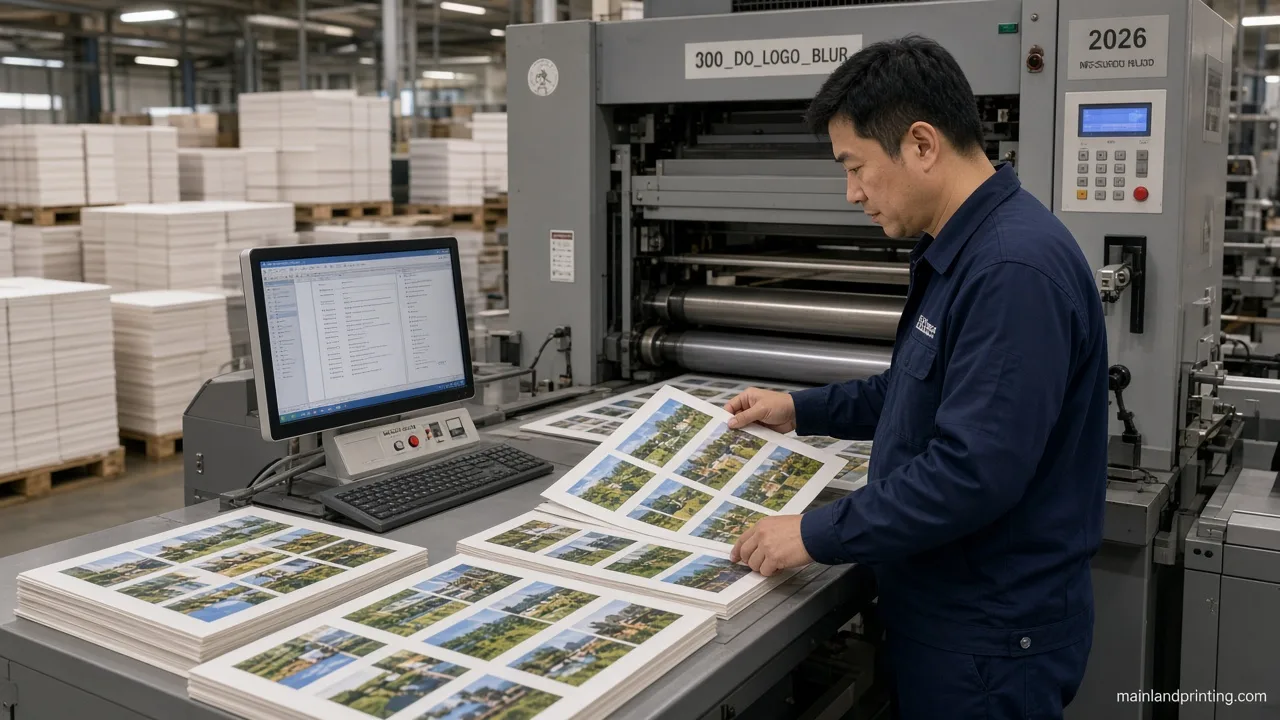
This process involves verifying corporate credentials and export experience, assessing production capabilities like printing presses and binding equipment, and critically evaluating their quality control systems, including their color management standards and physical proofing policies.
Finally, scrutinize their communication skills and the expertise of their assigned project manager to ensure a smooth partnership.
Now that you have the basic framework, the real value is in the details. Read on to discover the specific questions that separate average suppliers from elite partners and learn to spot the critical “red flags” that most publishers miss.
Buyer Takeaway: Vet Evidence, Not Sales Claims
- A China book printer should be evaluated through specs, samples, QC evidence, communication, payment terms, and logistics control.
- The safest supplier is not the cheapest one; it is the one that makes risks visible before deposit.
- Use one vetting template so every supplier is compared against the same evidence.
Win the Battle Before It Begins

Before you even send your first inquiry, it’s crucial to adopt the right strategic mindset. Many publishers focus solely on unit price, a tactical error that often leads to problems with quality, communication, and delays.
Vetting isn’t just about filtering out bad suppliers; it’s about identifying the right type of partner for your specific needs.
The Chinese printing market isn’t flat; it has distinct, almost invisible tiers. Your goal is to navigate these tiers to find what we call the “Hidden Champions.”
- Tier 1: The Giants. These are massive, internationally recognized printers serving the world’s largest publishers. While their quality is top-notch, their minimum order quantities (MOQs) are often prohibitively high for small to mid-sized publishers, and their processes can be inflexible.
- Tier 3: The Domestic Players & Traders. This is the largest and most visible group, especially on sourcing platforms. They offer the lowest prices, but this is often a trap. Many primarily serve the domestic market and may not be aligned with international quality standards. Others are simply trading companies with no control over production, making quality a gamble.
- Tier 2: The Hidden Champions. This is your target. These are medium-sized, export-focused factories that view international publishers as their core business. They offer a powerful combination of high quality, competitive pricing, and flexible service. Finding them requires a more deliberate vetting process, which is precisely what this guide is for.
Shifting your focus from price to partnership is a strategic investment.
“The real cost is in the problems: the delays, the quality issues, the miscommunications. The purpose of a thorough vetting process is to find a partner who is not just a factory, but an extension of your own team.”
– Paul Adams, CEO of East West Manufacturing
This approach requires an upfront investment of time, but the returns are substantial. A systematic due diligence process isn’t a cost—it’s one of the highest-return investments you can make in your supply chain.
Craft a Specification Sheet That Commands Respect
Effective vetting begins with internal clarity. Before you approach any potential supplier, you must first create a comprehensive Project Specification Sheet, also known as a Request for Quotation (RFQ). Submitting a detailed, professional RFQ accomplishes three critical objectives:
- It enables fair comparisons. When every supplier is quoting on the exact same specifications, you can make a true “apples-to-apples” comparison. This prevents you from being lured by a low price that omits a key feature or uses substandard materials.
- It signals your professionalism. A thorough RFQ immediately distinguishes you from amateur buyers. Serious, high-quality suppliers are more likely to prioritize your project and provide a detailed response when they see you’ve done your homework.
- It forms the basis of your contract. This document will become a critical technical addendum to your manufacturing agreement. It serves as the definitive reference point for quality control and the legal basis for resolving any potential disputes.
Your specification sheet should be a detailed blueprint of your book. Leave no room for ambiguity. A strong RFQ must include the following details:
- Finished Specifications: Specify the final trim size (width and height), total page count, and binding style (e.g., saddle-stitched, perfect bound, smyth-sewn casebound).
- Paper Requirements: Detail the paper type (e.g., gloss art, matte art, uncoated offset) and weight (in gsm) for both the cover and the interior pages.
- Printing Colors: State whether the printing is CMYK, has Pantone (PMS) special colors (include the exact color codes), or is black and white.
- Surface Finishing: List all post-press finishes, such as lamination (gloss or matte), foil stamping, spot UV, embossing, or debossing.
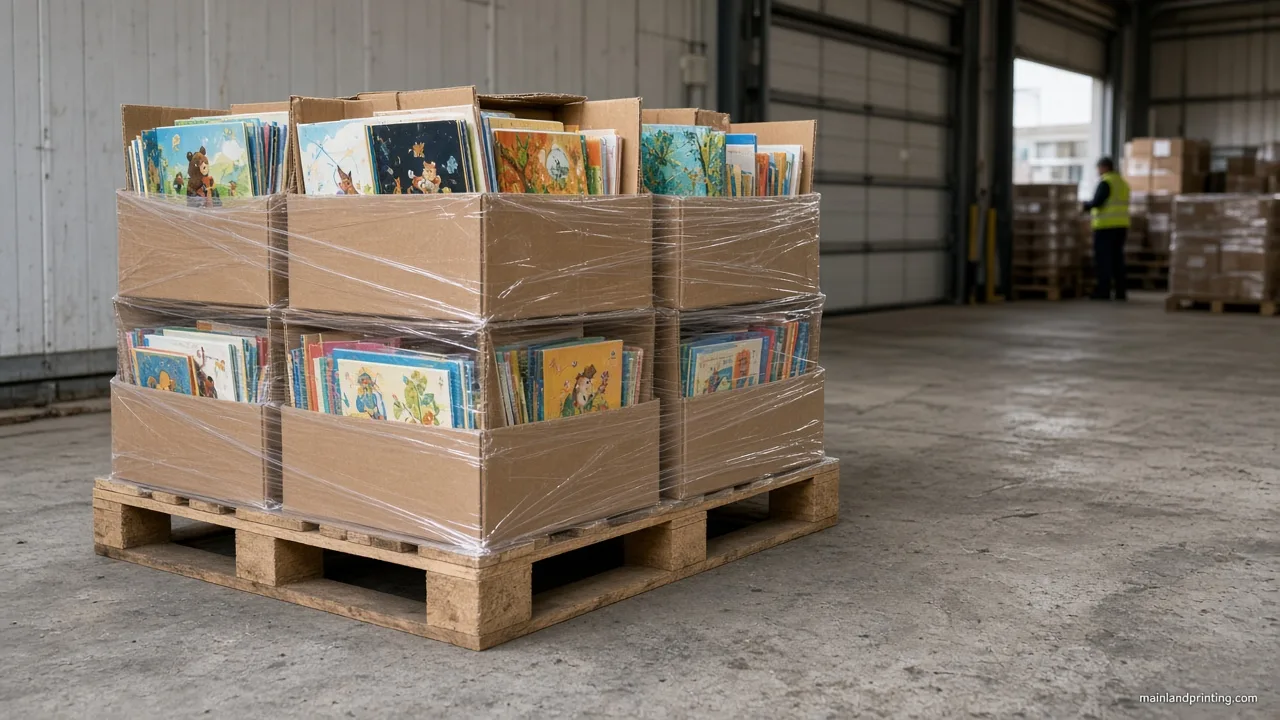
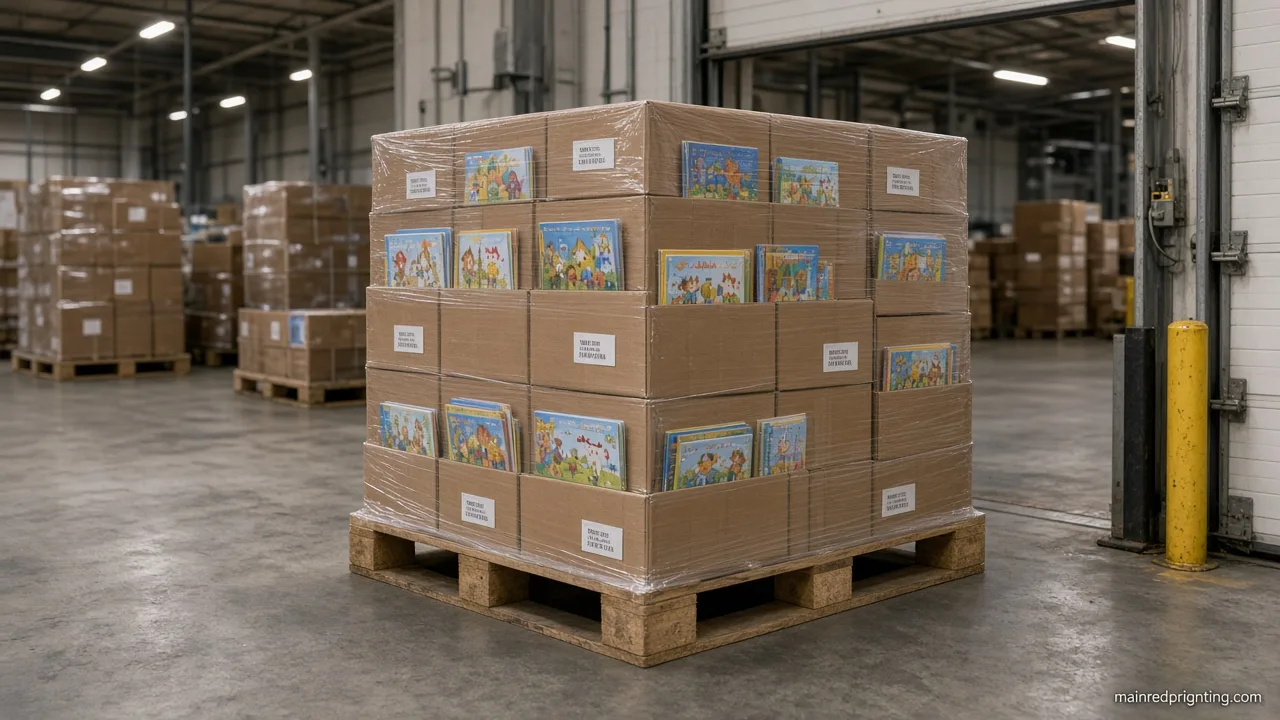
- Packing & Logistics: Provide instructions for individual book packaging (if any), units per carton, required shipping marks (唛头), and the destination port. Specify whether you require a quote for FOB (Free on Board) or CIF (Cost, Insurance, and Freight) terms.
- Tiered Pricing Request: Ask for quotes based on several quantities (e.g., 2,000, 3,000, and 5,000 copies) to understand the supplier’s price scaling.
The Art Beyond the Checklist: Reading the Signals
The checklist is your framework, but the true art of vetting lies in interpreting the responses and behaviors of a potential supplier. Your goal is to look beyond the written answers and understand what their communication style reveals about their operational reality.
Think of yourself as a “supplier psychologist,” watching for the subtle cues that signal either a reliable partner or a future headache.
Book Printing Supplier Vetting Scorecard
Use this scorecard before sending a deposit.
| Area | Evidence to request | Strong signal |
|---|---|---|
| Factory capability | Equipment list, binding options, sample photos. | Can explain limits, not only strengths. |
| Prepress | File check process, proofing options, color management. | Finds issues before production. |
| QC | Inspection checkpoints, defect criteria, report examples. | Provides written evidence. |
| Logistics | Packing, carton specs, incoterms, export experience. | Connects production to delivery risk. |
Risk Signal Table
Watch for these before approving the supplier.
| Signal | Possible meaning | Action |
|---|---|---|
| Vague quote | Scope is not controlled. | Request line-item pricing and exclusions. |
| No proofing detail | Quality risk is being pushed to production. | Ask for proof type and approval process. |
| Only low price emphasized | Hidden tradeoffs may exist. | Compare material, binding, QC, and freight. |
| Slow technical replies | Communication may fail during production. | Test with specific file and spec questions. |
Contract and Payment Checklist
Turn vetting results into written protection.
| Clause | Include | Reason |
|---|---|---|
| Specification | Final book spec, tolerances, files, samples. | Prevents scope drift. |
| Approval | Proof approval and change-control process. | Defines responsibility. |
| QC | Inspection method, defect standards, remedy. | Controls rework discussion. |
| Delivery | Packing, shipment method, deadline, incoterm. | Controls landed-risk assumptions. |
Buyer FAQ
How do I vet a book printing company in China?
Ask for production evidence, samples, proofing process, QC checkpoints, communication workflow, contract terms, and logistics details.
What is a red flag when choosing a printer?
A vague quote, no proofing plan, no QC evidence, unclear payment terms, or refusal to discuss risks are warning signs.
Should I choose the cheapest book printer?
Not automatically. Compare the full scope: materials, binding, proofing, QC, freight, timeline, and responsibility for defects.
Conclusion: Vetting Is Not a Cost, It’s Your Highest-Yielding Investment
That initial story of the $30,000 loss from a “perfect sample” wasn’t just a cautionary tale; it highlights a fundamental truth. A great sample proves a factory can produce quality, but only a great system can do it consistently.
The entire purpose of this comprehensive vetting process is to look past the sample and evaluate the system. You are moving from simply vetting a supplier to vetting their ability to reliably replicate quality at scale, and ultimately, vetting their suitability as a long-term partner.
By applying this 10-point checklist and the strategic insights within this guide, you transform vetting from a perceived cost into a high-return investment.
You systematically de-risk your project, protect your budget, and ensure your final product meets your standards. This empowers you to confidently leverage the cost advantages of printing in China and build a resilient supply chain, allowing you to focus on what you do best: publishing great books.
References & Notes
[1] ISO 9001: This refers to the international standard that specifies requirements for a quality management system (QMS). Organizations use the standard to demonstrate the ability to consistently provide products and services that meet customer and regulatory requirements.
[2] G7 and Fogra: These are global standards and specifications for achieving visual similarity across all print processes. G7 (from Idealliance) is a proof-to-print process control method, while Fogra (a German research institute) provides standardized characterization data for various printing conditions. Both are crucial for predictable and consistent color reproduction.
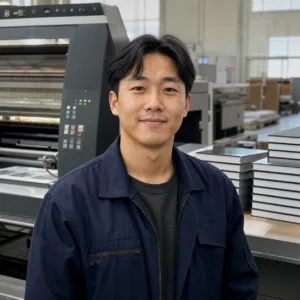
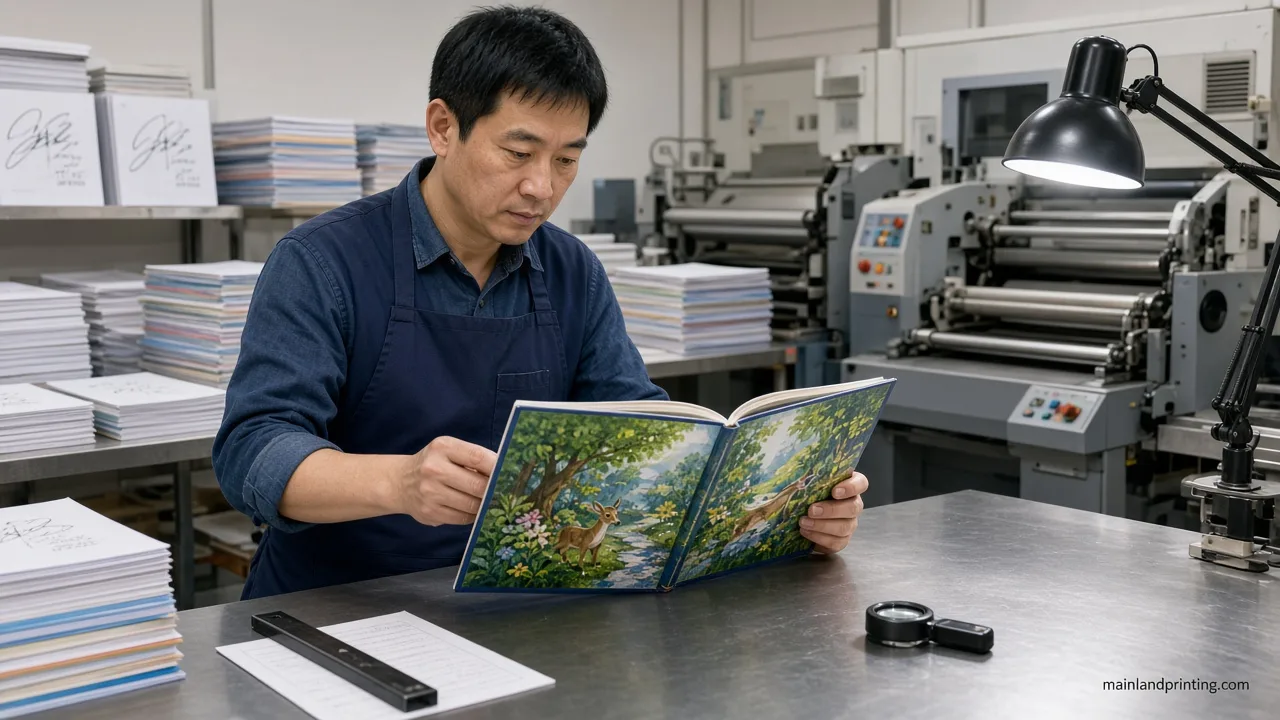
A structured visit or video audit of a book printing vendor in China reveals more than any certificate PDF.