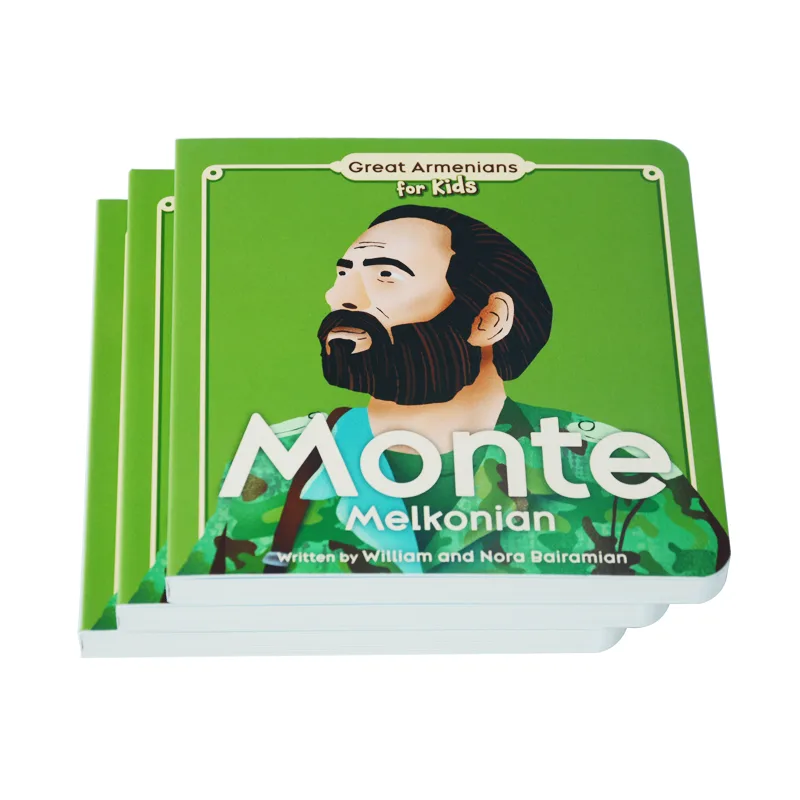
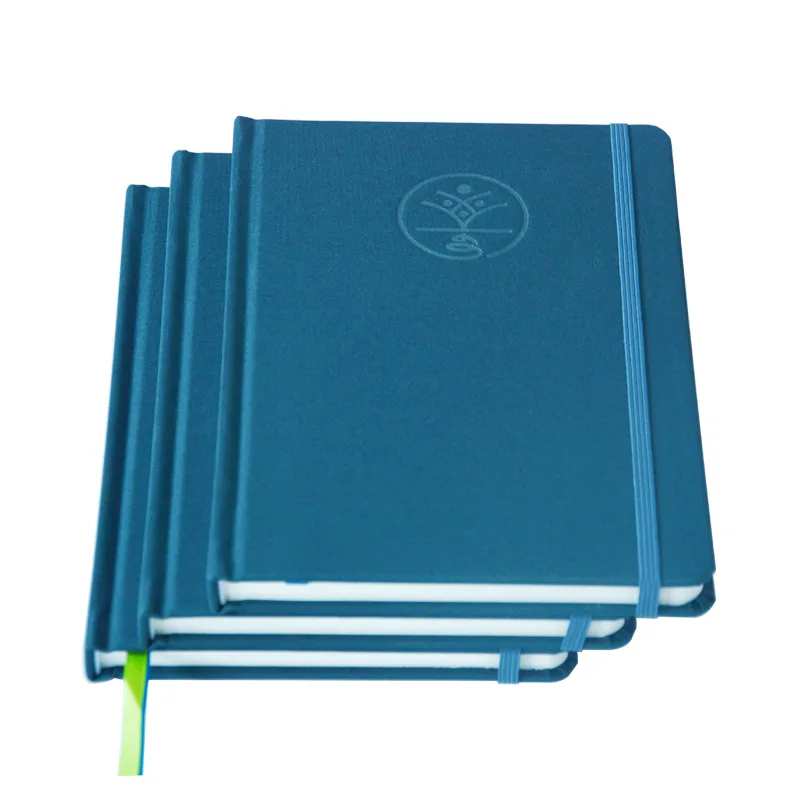
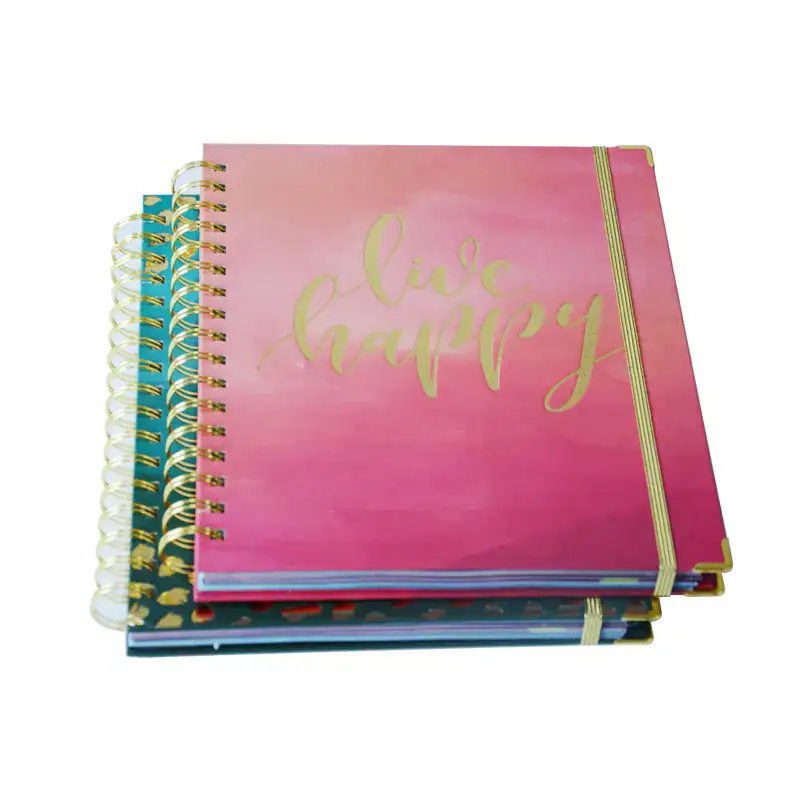
A hardcover’s value is decided the moment its cover catches the light. The paperboard, cloth, and binding do the heavy lifting, but cover finishing—foil stamping, spot UV, embossing, debossing, and lamination—is what makes a case-bound book feel worth its price.This guide breaks down every mainstream finish, how they stack, what they really cost, and how to proof them so your press run matches the sample in your hands.
Why Cover Finishing Defines a Hardcover’s Worth
Walk into any bookstore and run your thumb across the spines. The titles that feel expensive almost always share one trait: deliberate, layered cover finishing.For independent authors, illustrators, and small publishers, hardcover Book Printing Cost Analysis is where finishing stops being decorative and becomes a positioning tool. A flat, uncoated cover signals a commodity; a foil-stamped, soft-touch cover signals a collectible worth $35 instead of $18. Before specifying finishes, it helps to understand how a hardcover book is actually produced, because finishing is the final station in that production chain.
Finishing is also where most disappointment originates. The gap between a backlit design mockup and a physical offset sheet is wide, and it is measured in tactile details—foil that flakes, UV that yellows, embossing that crushes the board.Understanding each process lets you specify finishes that survive shipping, look consistent across a full run, and justify your retail price to Kickstarter backers and retailers alike.
The Signature of Premium Hardcovers
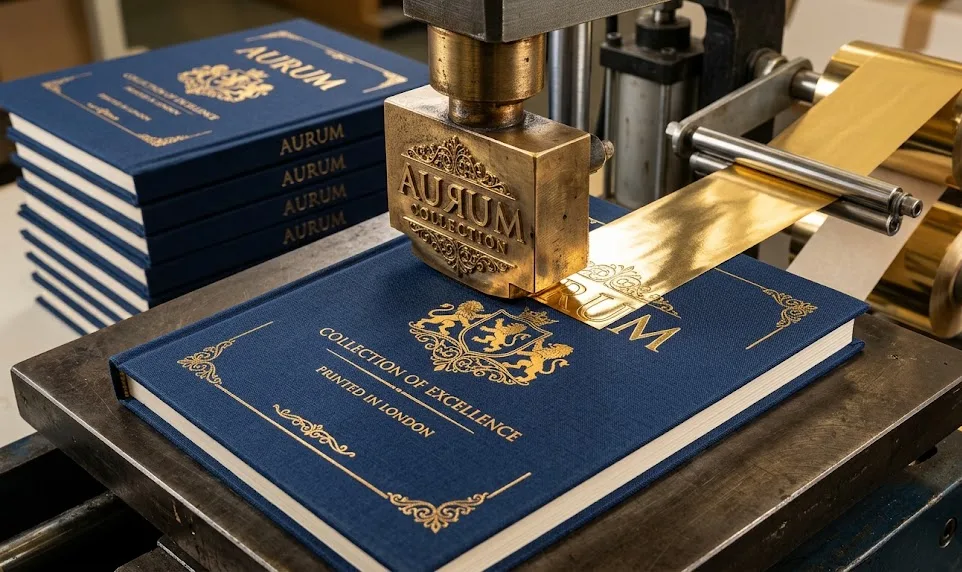
Foil stamping presses a heated metal die against a thin metallic or pigment film, transferring the foil onto the cover under pressure and heat.Gold, silver, rose gold, and holographic foils remain the signature of premium hardcovers because they catch light in a way no ink can replicate. The effect is instant recognition: this is a book meant to be kept.
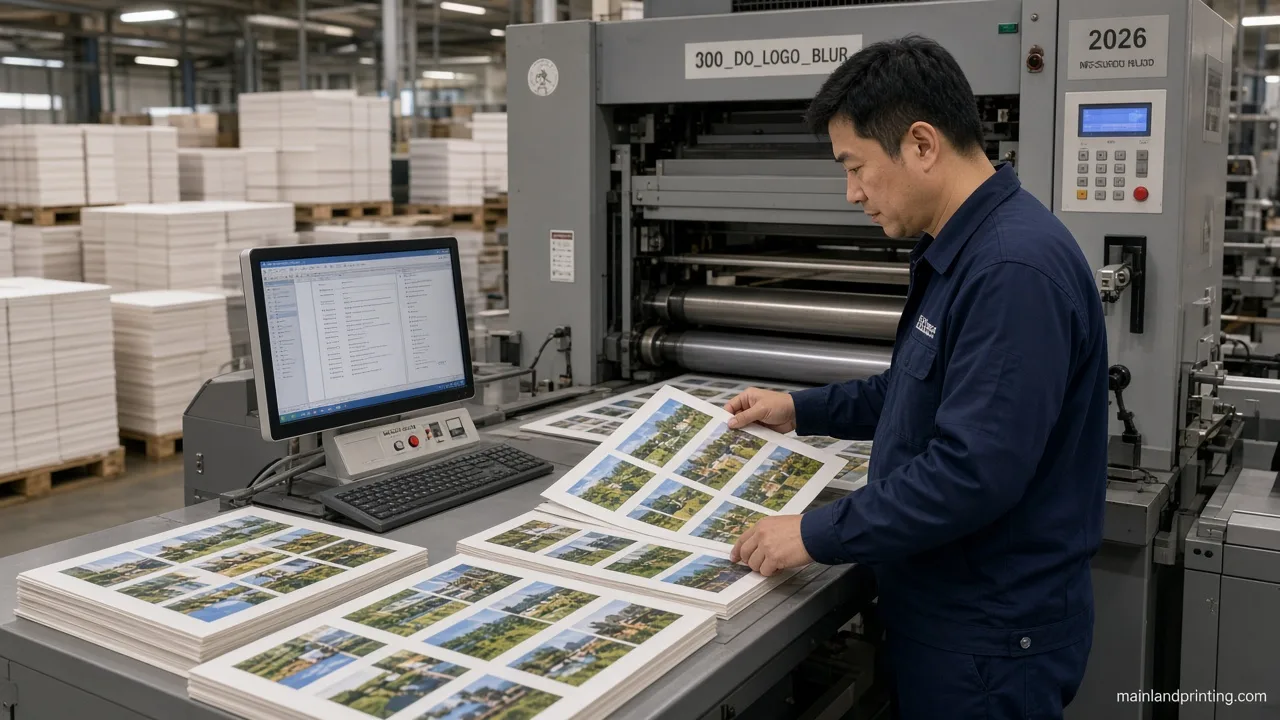
The technical risk is adhesion and registration. Foil must bond to the substrate—whether cloth, paper, or lamination—at the correct temperature and dwell time. Overheat the die and the foil blurs at the edges; under-press it and the film lifts in fine details like serifs.For tight logos and crest work, the die needs to register within a 0.01mm to 0.05mm tolerance, which is why advanced Heidelberg or Komori presses are the reliable choice for complex foil work. Always request a foil strike on the actual cover stock before approving mass production, because foil behaves differently on cloth than on coated paper.
Gloss, Contrast, and the Adhesion Trap

Spot UV lays a clear, high-gloss ultraviolet-cured coating onto specific areas of the cover, creating a contrast between matte and gloss on the same sheet. Run a glossy logo over a matte-laminated background and the design appears to float—an effect that sells luxury cookbooks, art books, and limited editions.
The hidden trap is chemical compatibility. Thick UV polymer applied over an incompatible lamination film suffers adhesion failure over time, and the coating eventually flakes. This is not a cosmetic issue; for titles sold to families or children, peeling coating is a real liability.Before mass production, your printer should run a cross-hatch adhesion tape test to prove the UV physically bonds to the base film. Raised spot UV, which builds a 3D tactile layer, magnifies the same risk—so it demands an even stricter proofing protocol and a lamination film specified as UV-compatible from the start.
Sculptural Impact and Registration Limits
Embossing raises a design above the surface; debossing presses it below.Both turn a flat cover into a sculptural object, and they pair powerfully with foil—blind debossing for understated elegance, foil-stamped embossing for unmistakable luxury. The tactile dimension is what buyers remember after they put the book down.
Deep relief, however, is a mechanical balancing act. Forcing thick cover board into a deep embossing mold concentrates immense pressure; if the board is too dense the fibers rupture, and if the die is misaligned by a fraction the effect looks blurred. Heavy sculptural work should stay on presses that hold registration in that same 0.01mm–0.05mm window.Avoid pushing relief deeper than the board can support, and never approve a sculptural sample without checking the reverse side for show-through or cracking around the raised edges. Choosing the right book cover material for debossing is the first half of that equation, because relief depth is governed as much by the substrate as by the die.
Gloss, Matte, Soft-Touch, and Anti-Scuff Films
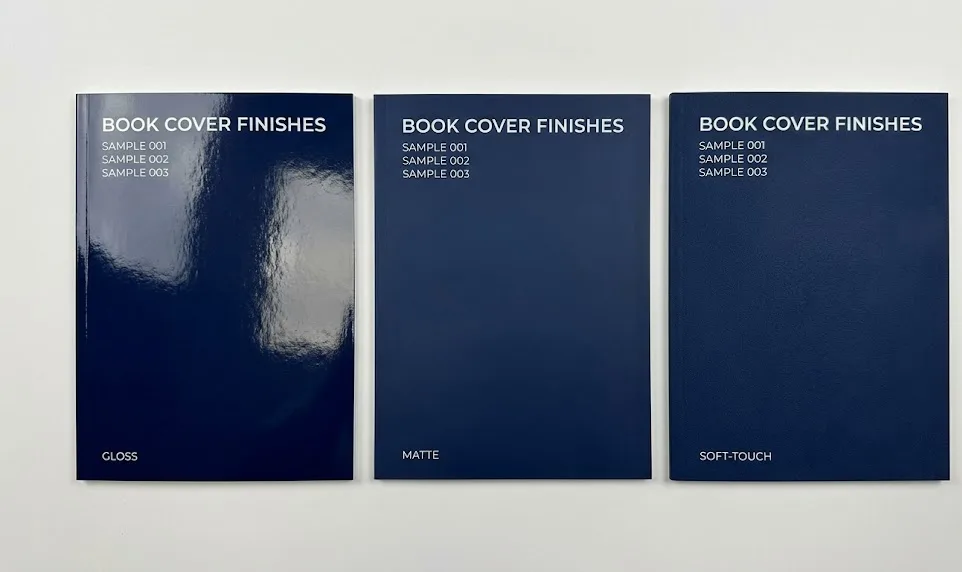
Lamination is the protective skin bonded over the printed cover, and it is the finish buyers touch first. Gloss lamination amplifies color saturation and creates a slick, modern feel. Matte lamination softens glare and reads as premium and literary.Soft-touch lamination adds a velvet, almost suede-like hand that immediately signals a high-end title. Anti-scuff matte film is the workhorse for case-bound books that must survive international shipping and retail handling without surface scratches.
Choose lamination by use case, not by trend. A children’s picture book shipping globally needs anti-scuff durability; an art monograph benefits from soft-touch tactility; a business title often reads best in clean matte.Lamination also determines what you can stack on top—spot UV and certain foils only bond reliably to specified films—so decide your full finish stack before locking the lamination, not after.
How Luxury Hardcovers Combine Effects
The most striking covers stack multiple finishes: a matte-laminated base, a foil-stamped title, spot UV on a logo, and a blind-debossed border.Stacking is where craftsmanship shows, but each added layer multiplies registration and compatibility demands. Every effect must be plotted in sequence on press, and the tolerance compounds.
The safe rule is to design the stack around one hero effect. Let the foil title be the star, then add subtle supporting finishes—light spot UV accents or a quiet deboss—that enhance rather than compete.A cover with four equally loud finishes looks busy and raises reject rates; a cover with one confident hero effect and restrained support reads as deliberate and expensive. If you want a deeper comparison of how different cover materials interact with these finishes, our guide to cloth, buckram, and PU leather covers walks through the same logic from the substrate side.
Get a Hardcover Cover Finishing Quote
Cost, MOQ, and DDP Reality for Custom Cover Finishes
Finishing is priced as setup plus per-unit. Foil and embossing each require a custom die, so they carry a one-time tooling fee that amortizes across your run—this is why a 500-copy order feels expensive per unit while a 3,000-copy run looks efficient.Spot UV and lamination are charged per cover with their own plate or setup. The mistake first-time publishers make is quoting each finish in isolation and then being surprised by the total.
Always request a single DDP (delivered duty paid) quote that bundles cover stock, printing, your full finish stack, binding, and freight into one landed number.A factory-direct supplier that runs Heidelberg and Komori equipment can amortize finishing setup across shared press time, which is how flexible MOQs stay affordable. Treat finishing as an investment in perceived value, not a line item to cut—because a $1.50 spend on foil and soft-touch lamination can move a title from a $19 shelf to a $32 gift section.
Locking Finishes to a Physical Standard
The single biggest source of overseas printing anxiety is the gap between a screen and a printed sheet.You cannot verify foil reflectivity, soft-touch tactility, or spot UV contrast from a PDF. The only objective defense is a physical press proof that locks your supplier to a measurable standard before mass production begins.
Insist on a finished cover proof that shows the actual foil, lamination, and any UV or embossing on the real stock. For color, require that the variance between the approved proof and the production sheet stays within a ΔE<2.5 tolerance.For foil and UV, require the adhesion test result. A senior project manager who enforces this proofing workflow replaces subjective arguments with hard data—which is exactly how experienced publishers ship premium case-bound books without re-runs.
Frequently Asked Questions
What is the most durable finish for a hardcover book cover?
Anti-scuff matte lamination is the most durable choice for case-bound covers because it resists shipping and shelf wear; layering foil or spot UV on top adds a premium effect while keeping the surface protected.
Can I combine foil stamping and spot UV on the same cover?
Yes, but the UV must print over a compatible lamination film. Without a cross-hatch adhesion test, the UV can flake off over time, so specify a UV-compatible film from the start.
How precise does registration need to be for embossing and foil?
Aim for a 0.01mm to 0.05mm tolerance. Modern Heidelberg or Komori presses hold this reliably, which is why complex sculptural and foil work depends on capable offset equipment.
How much does hardcover book cover finishing cost?
Foil and embossing carry one-time die fees that amortize across the run, while lamination and spot UV are priced per cover. Ask for a single DDP quote that bundles every finish into your total landed cost.
Specifying hardcover book cover finishing is really an exercise in pre-press engineering. Choose finishes that protect the board, stack one hero effect with restrained support, and lock everything to a physical proof with measurable tolerances.Do that, and your case-bound run will look identical to the sample your backers and buyers hold—and worth every cent of its premium price.