Want to create books that readers will treasure? Discover the secrets of special printing processes and transform your publications from ordinary to extraordinary. This comprehensive guide will help you navigate the world of UV coating, embossing, hot stamping, and more, so you can make informed decisions and elevate your books to the next level.
Special printing processes enhance book quality by adding visual and tactile appeal. These processes include UV coating for durability and shine, embossing/debossing for texture and dimension, hot stamping for a touch of elegance, and die-cutting for unique shapes and cutouts. By utilizing these techniques, publishers can create books that stand out, engage readers, and leave a lasting impression.
Special printing processes are like the secret sauce that can transform your books from bland to brilliant. But there’s much more to learn! Keep reading to discover the ins and outs of each process, along with expert insights and practical tips to help you make the most of these techniques.
Buyer Takeaway: Match the Process to the Book’s Job
- Special processes should support the reader experience, brand promise, and retail position.
- Foil, UV, embossing, lamination, die cutting, and premium paper all add cost and production risk.
- Choose enhancements through a decision matrix, not decoration by habit.
Book Printing Processes: A Quick Overview
Before we dive into the specifics of special printing processes, let’s take a quick look at the basic steps involved in book printing:
- Manuscript Preparation & Typesetting: This involves formatting your text and preparing it for printing.
- Proofreading & Editing: Ensuring your text is free of errors is crucial before moving forward.
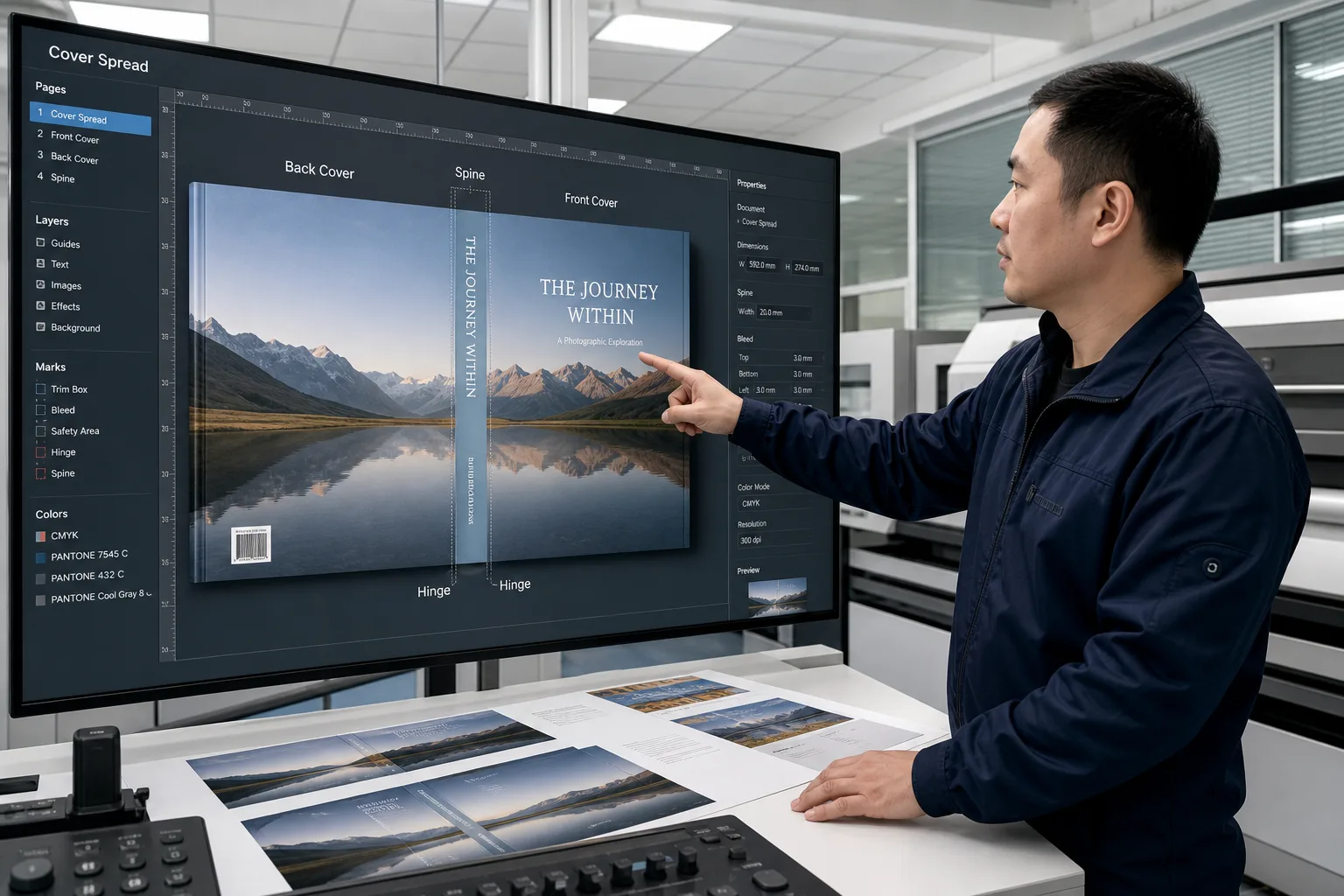
- Design & Prepress: This stage involves creating the cover design and preparing the files for printing.
- Printing (Offset vs. Digital): Choosing the right printing method, whether it’s offset vs digital printing depends on your needs and budget. Offset printing is generally more cost-effective for larger print runs, while digital printing is ideal for smaller quantities and faster turnaround times.
- Binding: Selecting the appropriate book binding method will affect the durability and appearance of your book.
- Quality Control: Thorough quality checks throughout the process ensure that your book meets your expectations.
Now that we have a basic understanding of the book printing process, let’s explore how special printing processes can enhance the quality of your books.
Special Printing Processes to Enhance Book Quality
Table Title: Special Printing Processes Quick Overview
| Process | Key Benefits | Typical Applications | Example |
|---|---|---|---|
| UV Coating | Increased durability, enhanced color vibrancy, protection against scratches. | Book covers, dust jackets, packaging. | Notice how UV coating makes colors pop and gives a sleek finish. |
| Hot Stamping/Foil Stamping | Luxurious, eye-catching effect, tactile element. | Book titles, author names, logos, certificates. | Gold foil stamping on a book cover adds a touch of class. |
| Embossing/Debossing | Adds tactile element, enhances visual appeal, creates depth. | Book covers, dust jackets, packaging. | Feel the texture and see how embossing adds depth to a book cover. |
| Die Cutting | Unique designs, interactive elements, custom shapes. | Book covers, packaging. | Die-cut shapes on a children’s book cover add playfulness. |
| Spot UV Coating | Draws attention to details, adds sophistication. | Book covers, specific design elements. | Spot UV coating highlights the title against a matte background. |
| Edge Printing | Unique touch, elegant appearance. | Book edges. | Colored edges make a book stand out on the shelf. |
| Thermography | Raised, textured effect similar to embossing. | Titles, headings, decorative elements. | Thermography adds a raised effect to the title. |
| Lenticular Printing | Illusion of depth or movement, eye-catching. | Book covers, packaging. | Lenticular printing creates stunning 3D effects on the cover. |
Now, let’s explore some of the most popular special printing processes that can add that “wow” factor to your books:
UV Coating

Think of UV coating as a protective and beautifying layer for your book cover, similar to the lamination you might find on a high-quality magazine cover. It’s a liquid coating applied to the printed surface and then cured with ultraviolet light. This creates a hard, glossy finish that not only enhances the vibrancy of the colors but also makes the cover more resistant to scratches and scuffs.
Benefits of UV Coating:
- Increased durability
- Enhanced color vibrancy
- Protection against scratches and scuffs
- Adds a premium look and feel
Applications of UV Coating:
- Book covers
- Dust jackets
- Packaging
Cost Considerations:
UV coating typically adds to the overall cost of printing, but the added protection and visual appeal can be well worth the investment, especially for books that are likely to experience wear and tear.
Hot Stamping/Foil Stamping
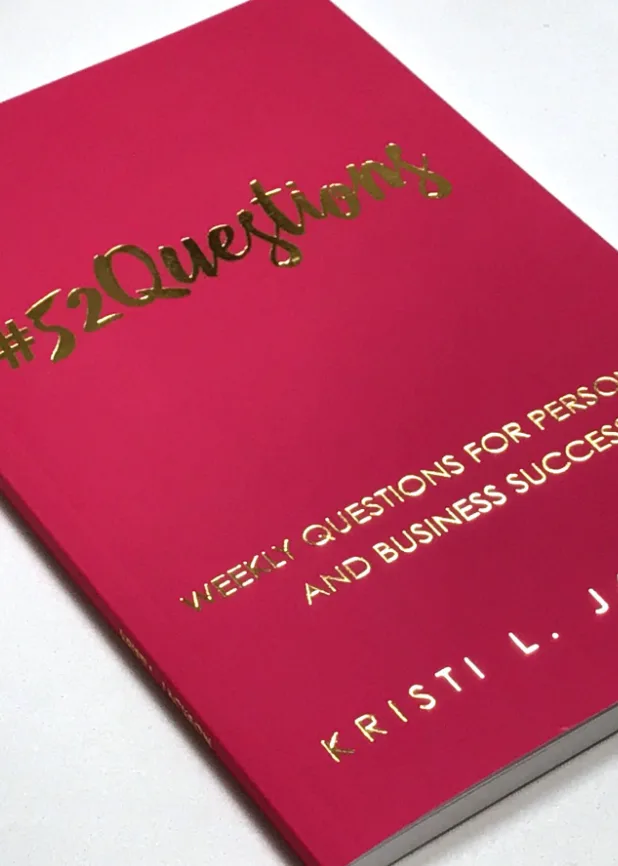
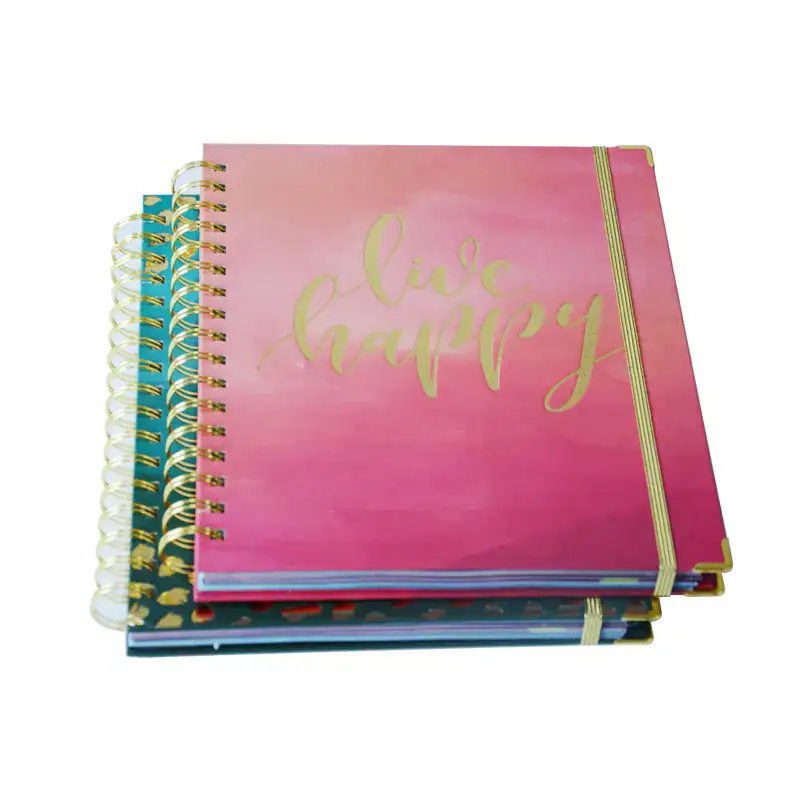
Want to add a touch of elegance and sophistication to your book? Hot stamping, also known as foil stamping, is the answer. This process involves using heat and pressure to apply metallic foil to the cover, creating a stunning effect that catches the eye. You can use hot stamping to highlight titles, author names, or decorative elements.
Benefits of Hot Stamping:
- Creates a luxurious and eye-catching effect
- Adds a tactile element to the cover
- Available in a variety of colors and finishes
Applications of Hot Stamping:
- Book titles and author names
- Logos and decorative elements
- Certificates and awards
Cost Breakdown:
The cost of hot stamping depends on factors such as the size of the design, the type of foil used, and the quantity of books being printed.
Embossing/Debossing

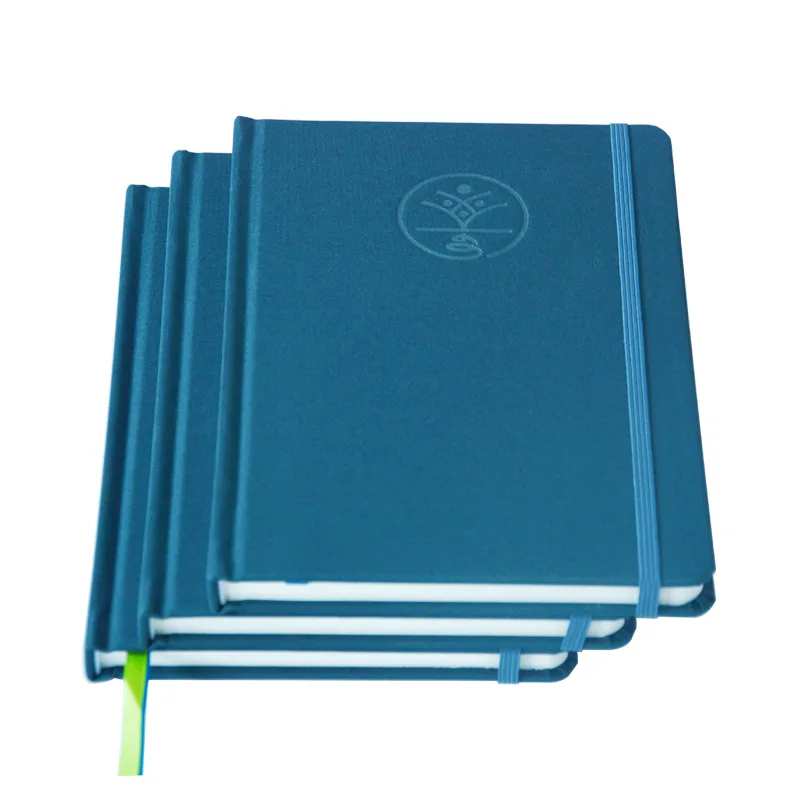
Embossing and debossing are techniques that add dimension and texture to your book cover. Embossing creates a raised design, while debossing creates an indented design. These effects can be used to highlight specific elements or create an overall tactile experience for the reader.
Benefits of Embossing/Debossing:
- Adds a unique tactile element
- Enhances visual appeal
- Creates a sense of depth and dimension
Applications of Embossing/Debossing:
- Book covers and dust jackets
- Packaging
- Greeting cards
Cost Factors:
The cost of embossing/debossing depends on the complexity of the design and the size of the print run.
Die Cutting

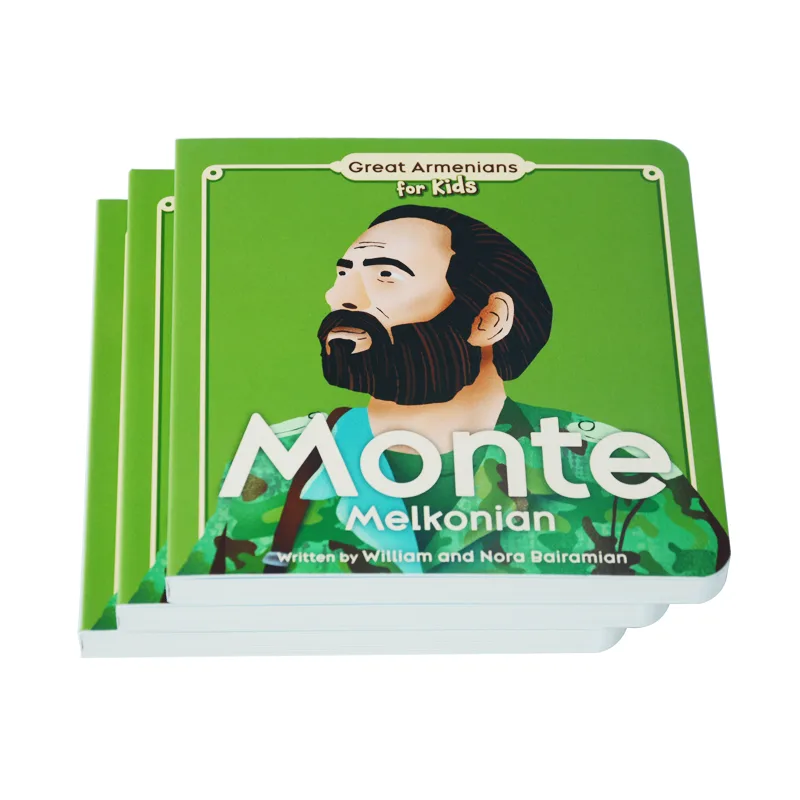
Die cutting is a process that involves using a sharp metal die to cut shapes or designs into the cover of your book. This can be used to create unique shapes, windows, or pop-up elements.
Benefits of Die Cutting:
- Creates unique and eye-catching designs
- Adds an element of surprise and interactivity
- Can be used to create custom shapes and sizes
Applications of Die Cutting:
- Book covers
- Packaging
- Greeting cards
Cost and Complexity:
The cost of die cutting depends on the complexity of the design and the number of cuts required.
Other Special Printing Techniques
Beyond the techniques we’ve already covered, there’s a whole world of other special printing processes that can add even more depth and intrigue to your books. Here are a few more to consider:
-
Spot UV Coating:

Book Cover With Spot Uv Spot UV coating is like a selective spotlight for your book cover. Instead of applying UV coating to the entire cover, you can choose to apply it only to specific areas, such as the title, an image, or a design element.
This creates a striking contrast between the glossy coated areas and the matte finish of the rest of the cover. It’s a great way to draw attention to specific details and add a touch of sophistication. -
Edge Printing:

Book With Edge Printing Edge printing, also known as painted edges, involves applying ink to the edges of the book pages. This can be a solid color, a gradient, or even a pattern. It’s a subtle yet elegant way to add a unique touch and make your book stand out on the shelf.
-
Thermography:

Book Cover With Thermography Thermography is a technique that creates a raised effect similar to embossing, but with a slightly different look and feel. It involves applying a special powder to the printed area, which is then heated to create a raised, textured effect. Thermography is often used for titles, headings, or decorative elements.
-
Lenticular Printing:

Book With Lenticular Printing Ready for something truly eye-catching? Lenticular printing creates an illusion of depth or movement when viewed from different angles. It’s a complex process that involves printing an image on a lenticular lens, which is then laminated to the book cover. This technique can be used to create stunning 3D effects, animations, or flip images.


And those are just a few examples! The possibilities are truly endless when it comes to special printing processes. The key is to experiment and find the techniques that best suit your book’s content and your overall vision.
Case Studies: Real-World Examples
Let’s move from theory to practice and explore how other small publishers have successfully used special printing processes to enhance their books.
Case Study 1: The Poetry Collection That Felt Like a Treasure
A small literary press in San Francisco was publishing a limited-edition poetry collection. They wanted to create a book that felt special and valuable, something readers would treasure.
To achieve this, they opted for a combination of embossing and spot UV coating on the cover. The title and author’s name were embossed in a subtle, elegant font, while a delicate floral pattern was highlighted with spot UV coating.
The result was a cover that was both visually stunning and tactilely engaging. Readers raved about the book’s luxurious feel, and the limited edition sold out quickly, exceeding the publisher’s expectations. This case study demonstrates how special printing processes can create a premium feel and increase a book’s perceived value.
Case Study 2: The Self-Published Author Who Stood Out from the Crowd
A self-published fantasy author in New York City was determined to make their book stand out in a crowded market. They decided to use digital printing, which allowed them to print a smaller quantity of books and keep costs down.
However, they didn’t skimp on the cover design. They worked with a talented designer to create a visually striking cover that incorporated die-cutting. The die-cut element revealed a hidden illustration on the first page, adding an element of surprise and intrigue. This unique design, combined with the author’s compelling story, helped the book gain attention and attract readers.
This case study highlights how even self-published authors can use special printing processes and creative design to make their books stand out.
Book Enhancement Process Matrix
Use this to decide which process is worth adding.
| Process | Best use | Risk to control |
|---|---|---|
| Foil stamping | Premium cover detail. | Registration and material compatibility. |
| Spot UV | Gloss contrast and visual focus. | Scuffing and alignment. |
| Emboss/deboss | Tactile premium effect. | Board/paper pressure and detail loss. |
| Die cutting | Interactive or packaging effect. | Strength, safety, and trim accuracy. |
Cost vs. Quality Decision Table
Use this before approving special finishes.
| Question | If yes | If no |
|---|---|---|
| Does it support the selling point? | Keep as a priority finish. | Remove or simplify. |
| Will readers touch or notice it? | Test on physical sample. | Use simpler print effect. |
| Does it increase defect risk? | Add proof/QC checkpoint. | Proceed with standard QC. |
| Does it affect packing? | Adjust carton protection. | Use standard packing. |
Prepress Checklist for Special Processes
Prevent enhancement mistakes before production.
| File item | Check | Why |
|---|---|---|
| Separate layer | Foil/UV/emboss layer named clearly. | Prevents wrong plate. |
| Vector artwork | Clean paths, minimum line widths. | Protects detail. |
| Mockup | Position shown on cover proof. | Prevents layout surprises. |
| Sample | Physical sample if finish is critical. | Confirms real effect. |
Buyer FAQ
Which book printing process improves quality most?
It depends on the book. Paper, binding, color control, and proofing often matter more than decorative finishes.
Are foil and embossing worth the cost?
They are worth it when they support the brand, retail price, or gift value and are tested with proper samples.
How can buyers avoid special-finish mistakes?
Use clear file layers, physical samples, supplier feedback, and QC checks for alignment and durability.
Conclusion
As we’ve seen, special printing processes can be a powerful tool for small and independent publishers looking to enhance the quality of their books. By carefully considering your budget, the type of book you’re printing, and the desired effect, you can choose the processes that will best elevate your book and capture the attention of readers.
Don’t be afraid to experiment and get creative! The world of special printing processes is full of possibilities, and with a little exploration, you can find the perfect techniques to make your books truly shine.
Now go forth and create beautiful books!