A press check is a project-control decision, not a routine add-on. It is most useful when the visual result carries a high commercial or editorial risk and the team needs to make an informed approval before the production run continues.
Buyer Takeaway: Match the approval method to the colour risk
Start with five questions: How colour-critical is the project? How large is the run? Are paper, finishing or binding choices unusual? Is there an approved reference? What would a colour disagreement cost in time and rework? The answers help determine whether an on-press check adds decision value.
Press check vs. proofing options
| Approval method | Useful when | What it can help reveal | Limits to confirm |
|---|---|---|---|
| Press check | The project has high visual stakes and an authorised reviewer can attend or review the agreed production stage. | Colour direction, image balance, text sharpness and material interaction at the press stage. | Scope, timing, approval authority and what adjustments are feasible. |
| Vertragskorrektur | A formal reference is needed before production. | Whether the agreed proof target has been met. | Paper, press and finishing can still affect the final object. |
| Calibrated proof | The project needs an early, repeatable pre-press review. | File preparation, image balance and a controlled reference conversation. | Ask which production conditions it represents and does not represent. |
When a press check is likely to add value
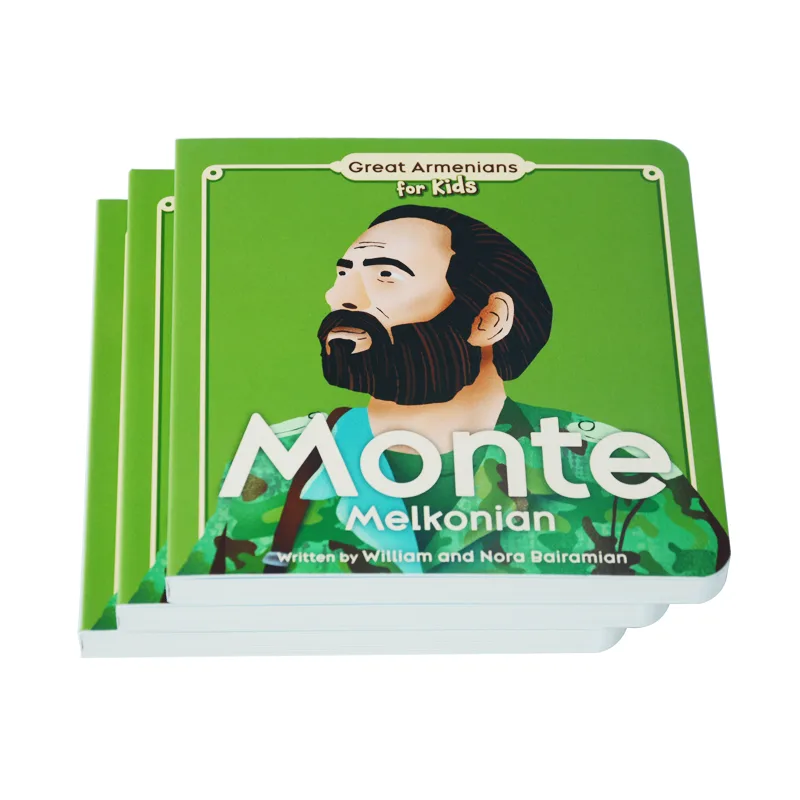
- Art, photography, children’s or brand-led books where colour is a core part of the reader experience.
- Projects with demanding image reproduction, multiple materials or finishing choices.
- Runs where late changes would be difficult to manage and a clear approval record is important.
- Projects without a reliable, previously approved reference sample.
A standard text-led book with limited colour variation may instead benefit from a clear file review, a suitable proof and an agreed colour-approval process. The right choice should be documented with the printer before the production schedule is fixed.
On-press approval checklist
| Siehe | Reviewer should confirm |
|---|---|
| Reference | Which approved file, proof or brand reference is being used. |
| Colour | Brand colours, skin tones, neutrals, black builds and image consistency. |
| Papier | The actual stock, surface and visual effect match the agreed specification. |
| Image and text | Sharpness, detail, trapping, registration and cross-page consistency. |
| Binding/finishing sample | Any relevant cover, laminate, foil or binding sample is considered in the overall result. |
| Approval record | Changes, final sign-off and any accepted variation are written down. |
If an on-press check is not practical
Reduce risk by agreeing the proof type, reference conditions, approval responsibility and escalation path before printing. For projects that combine distinctive covers with colour-critical interiors, use the cover and inner-page colour matching checklist. Production scope and sampling can then be aligned through the book printing service planning process.
Colour control is a documented process
No approval method guarantees identical appearance in every viewing condition or production run. The goal is to agree a realistic target, choose an appropriate review method and record decisions so the printer and buyer work from the same standard.
Häufig gestellte Fragen für Käufer
When is a book press check worth considering?
Consider it when colour is central to the book, the print run has meaningful exposure, materials or finishing increase uncertainty, or an approved proof does not provide enough confidence for the project.
What should be approved at a press check?
Review agreed reference colours, skin tones, black and neutral areas, image consistency, text sharpness, paper appearance, finishing and the approved sample or pull sheet. Record decisions before production continues.
Can a proof replace a press check?
A proof can support approval, but each proofing method has limits. Ask the printer what the proof represents, what it does not represent, and which production variables still need confirmation.