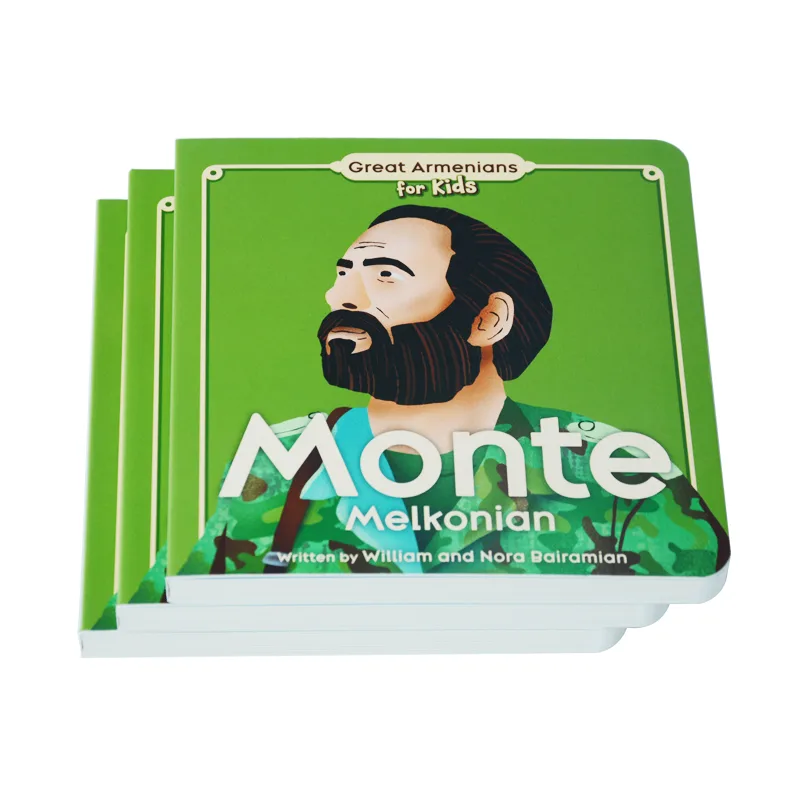
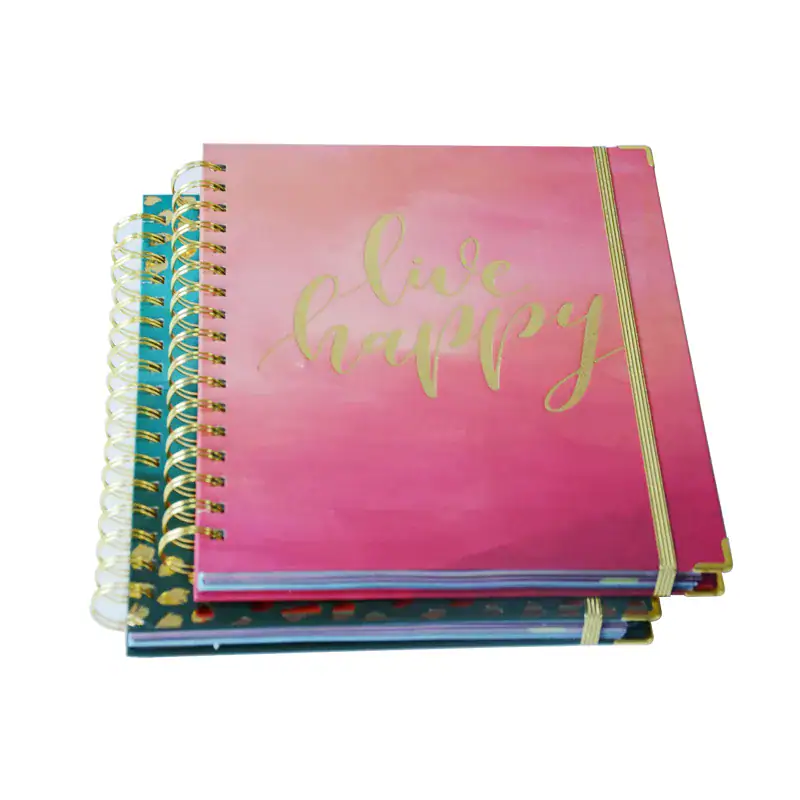
When an art monograph has to sit open on a gallery table and still survive carton travel, the cover question is which layer carries the images and which layer carries the hand-feel.
Choose art book cover options by role: a printed case or dust jacket for full-color display art, cloth for tactile shelf presence with foil titles when cloth cannot carry print, and ribbon only after wear and packaging checks. Confirm each layer on a physical cover sample before you freeze the RFQ.
You leave able to write a cover stack that matches display role, shelf wear, and packaging without restacking finishes later.
Assign Each Cover Layer a Display or Hand-Feel Job
Printed casewrap puts photography and type on the boards you hold. Cloth shifts the first impression to texture and color of the cloth itself. A dust jacket can carry full-color art while the case underneath stays cloth or printed board.
Mainland’s art book finishing menu describes dust jackets as Printed jackets over cloth or printed cases. Dust jackets are printed on matte or gloss paper on a single sheet so the flaps can wrap around the book cover.That line only confirms jackets can sit over either base; it does not decide which base should lead for your gallery role. Listing a jacket option on the art book printing page does not approve a finish stack without a cover sample.
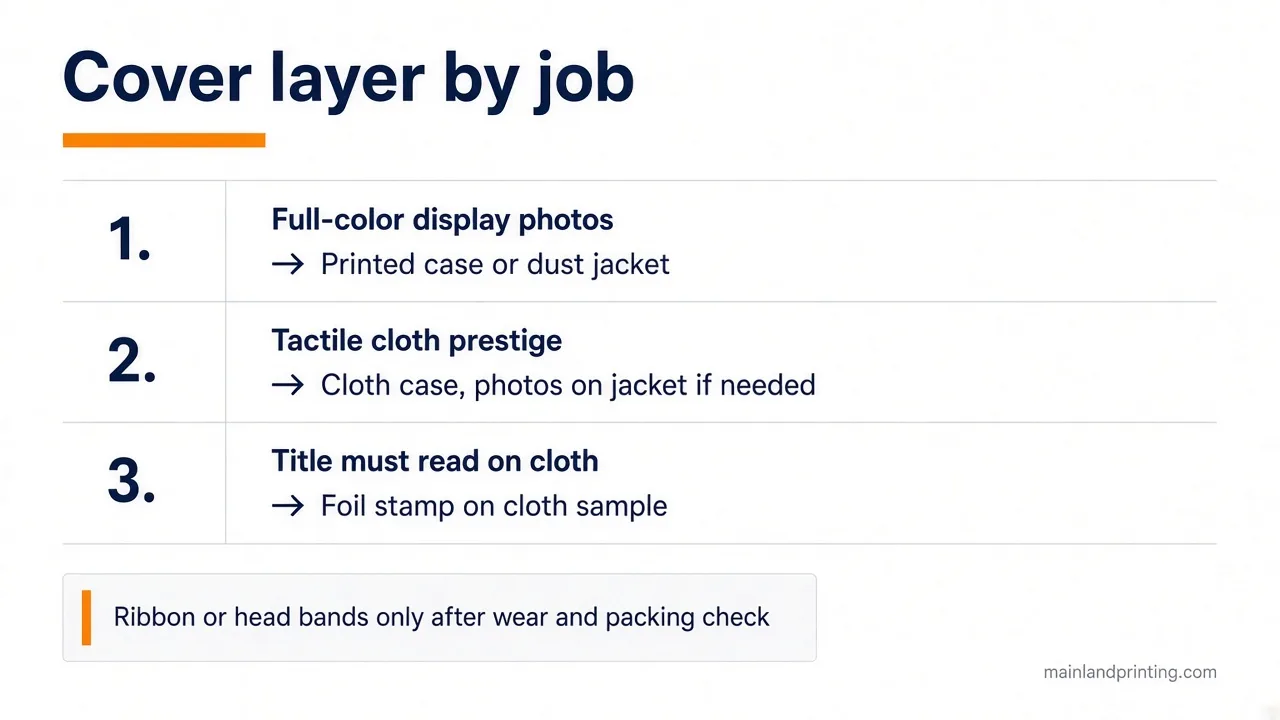
Use this table when the display image and the hand-feel fight for the same surface. Read left to right: choose the layer that owns the job, then note what still needs a sample.
| Cover job | Lead with |
|---|---|
| Full-color cover photography must dominate the shelf | Printed casewrap, or a printed dust jacket over cloth or case |
| Tactile cloth color is the collector signal | Cloth case; move photos to a jacket if needed |
| Title must read on textured cloth | Foil stamp on cloth, after a cover sample |
| Bookmark or spine dress is secondary | Ribbon or head bands only after wear and packing checks |
General foil, spot UV, and emboss adhesion checks stay on the hardcover finishing guide. This page only assigns art-book presentation roles.
When Cloth Needs Foil Titles or a Dust Jacket for Color
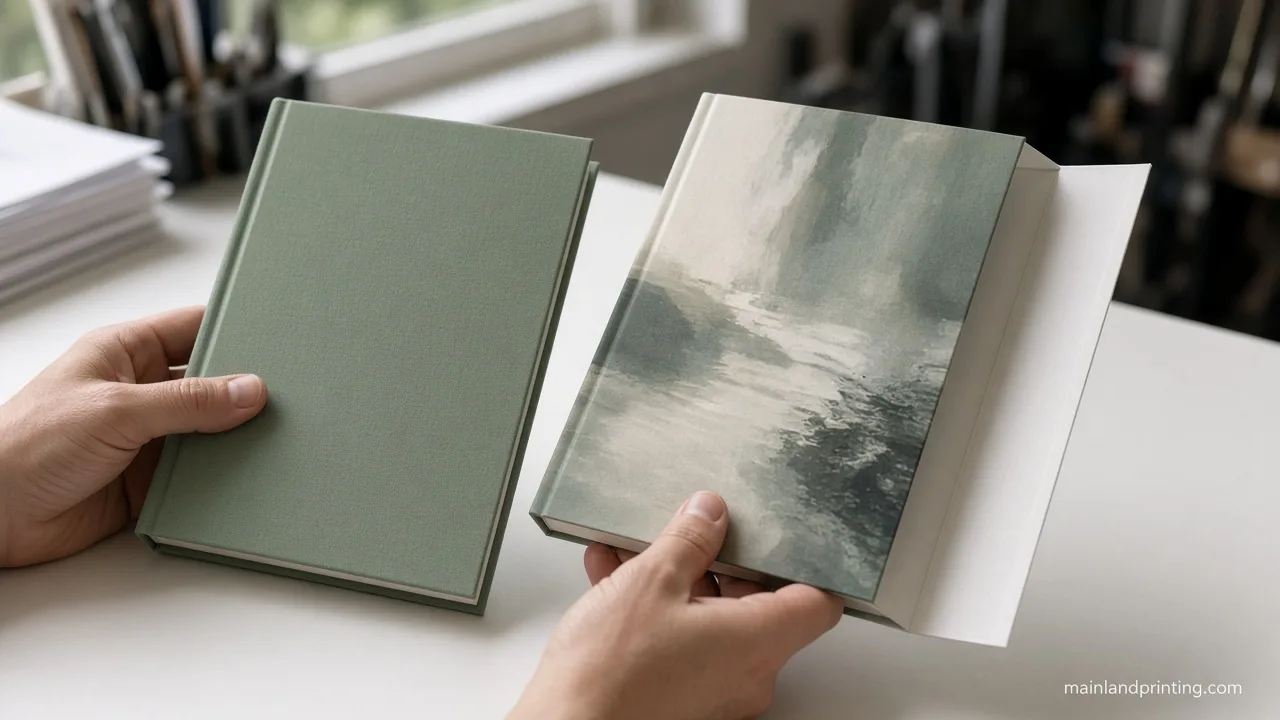
Cloth looks premium in the hand, but it is a poor surface for photographic CMYK. Mixam’s cloth cover guidance states the texture limit in plain terms: Because of their specific texture, cloth covers cannot be printed in full color.Foil stamping is used instead to deboss lettering, logos and designs onto the book cover.
That Mixam service note describes cloth texture limits on their line; it does not rewrite Mainland finish menus, and it does not ban dust jackets or printed cases when photography must lead.
Attribute the cloth-print limit to Mixam’s published guidance; do not treat it as a Mainland capability ban on cloth cases.
When the jacket must carry the color story, Mixam also notes: Dust jackets are printed on matte or gloss paper on a single sheet so the flaps can wrap around the book cover.
A jacket still needs a physical wrap check for flap copy and shelf wear; it does not replace cloth-case feel when tactile prestige is the primary shelf signal.
Dust-jacket printability does not decide whether cloth or printed case should lead the shelf signal.
If cloth owns the hand-feel and photos still matter, put the images on the jacket and keep foil titles on the cloth case.
Buyer RFQs for collector hardcovers often list cloth color, foil color, and a ribbon on the same line—for example an 8×10 (about 203 mm × 254 mm) cloth case with blue foil and a ribbon bookmark—so treat those three as linked sample checks, not late add-ons.
Spec Foil, Ribbon, and Presentation Details Without Stacking Everything
After the base layer is clear, finishes should answer a visible job. Mainland’s art book page lists foil as Titles and marks in metallic or pigment foil, and head bands and ribbon as Traditional spine detailing and bookmark ribbons.
Foil earns its place when the title must catch light on cloth or a dark case. Ribbon earns its place when readers will mark plates while browsing. Spot UV or emboss can wait if the cover already reads clearly without them.
Stacking foil, UV, emboss, sprayed edges, and ribbon in one brief before the display role is fixed usually recreates cost without fixing the shelf story. Write the cover job first, then add only the finish that serves that job.

When you ask for a cover sample, name cloth color, foil color and coverage, jacket stock if used, and whether a ribbon is required. That is enough for a printer to build the case without guessing presentation intent.
Confirm Wear, Packaging, and Cover Samples Before You Lock Spec
After the stack is written, open a physical cover or bound dummy and check the risks that only show in hand. Inspect the foil title under desk light, then rub it lightly to verify it still reads after handling. Flex the jacket flaps. See whether a soft jacket will scuff against carton corners.
Adhesion and registration for foil or UV still follow the checks on the hardcover finishing guide. Color on critical plates still needs the sample path on the art book proofing guide. This cover page only asks whether the presentation stack you wrote still holds after wear and packing.
If the foil scars or the jacket softens under light rub, change the finish or the packing note before you freeze quantity. Do not treat a screen mockup of foil shine as the final cover.
Send the Art Book Cover Spec That Matches Display and Shelf Life
When each layer has a job and a sample check, the next step is an Kunstbuchdruck review with that cover stack attached. Send trim, page count, case type, jacket yes/no, foil coverage, ribbon yes/no, and which physical sample will confirm the cover.
That package lets production price the real presentation stack. It does not promise free samples, and it does not treat a PDF of foil as a cloth case.
Ready to lock the cover before press? Send the cover job, the layers that own display and hand-feel, and the sample that will confirm foil or jacket wrap.
Ready to lock the art book cover stack?
Send trim, case type, jacket yes/no, foil coverage, ribbon yes/no, and which physical sample confirms the cover.