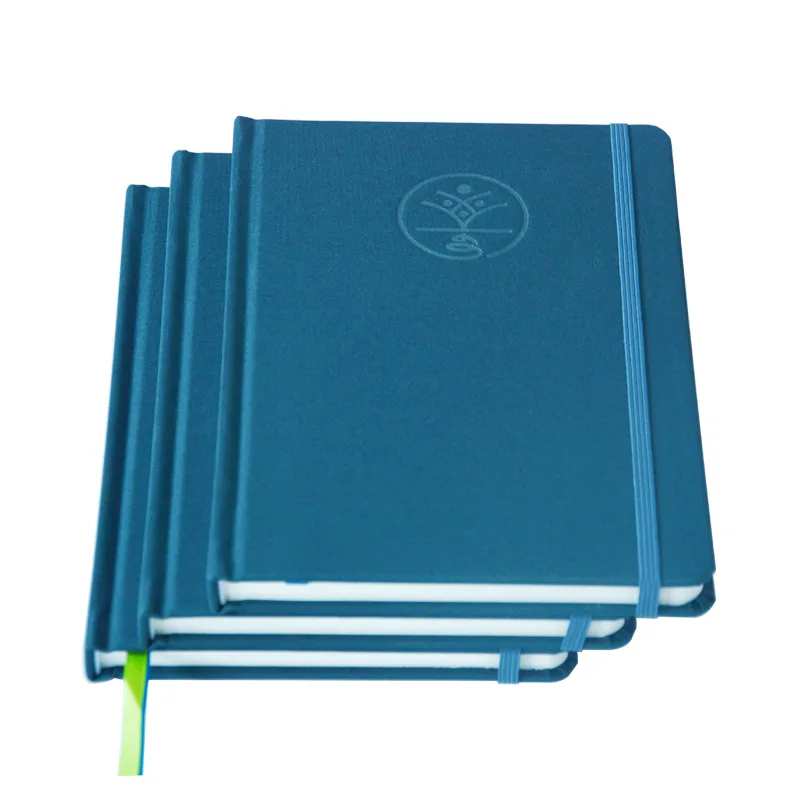
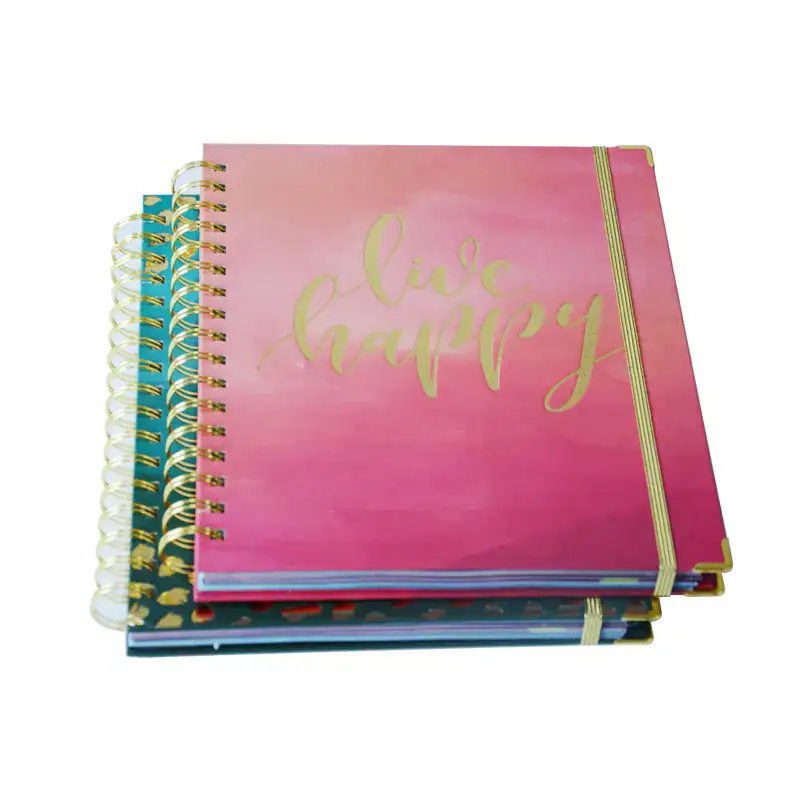
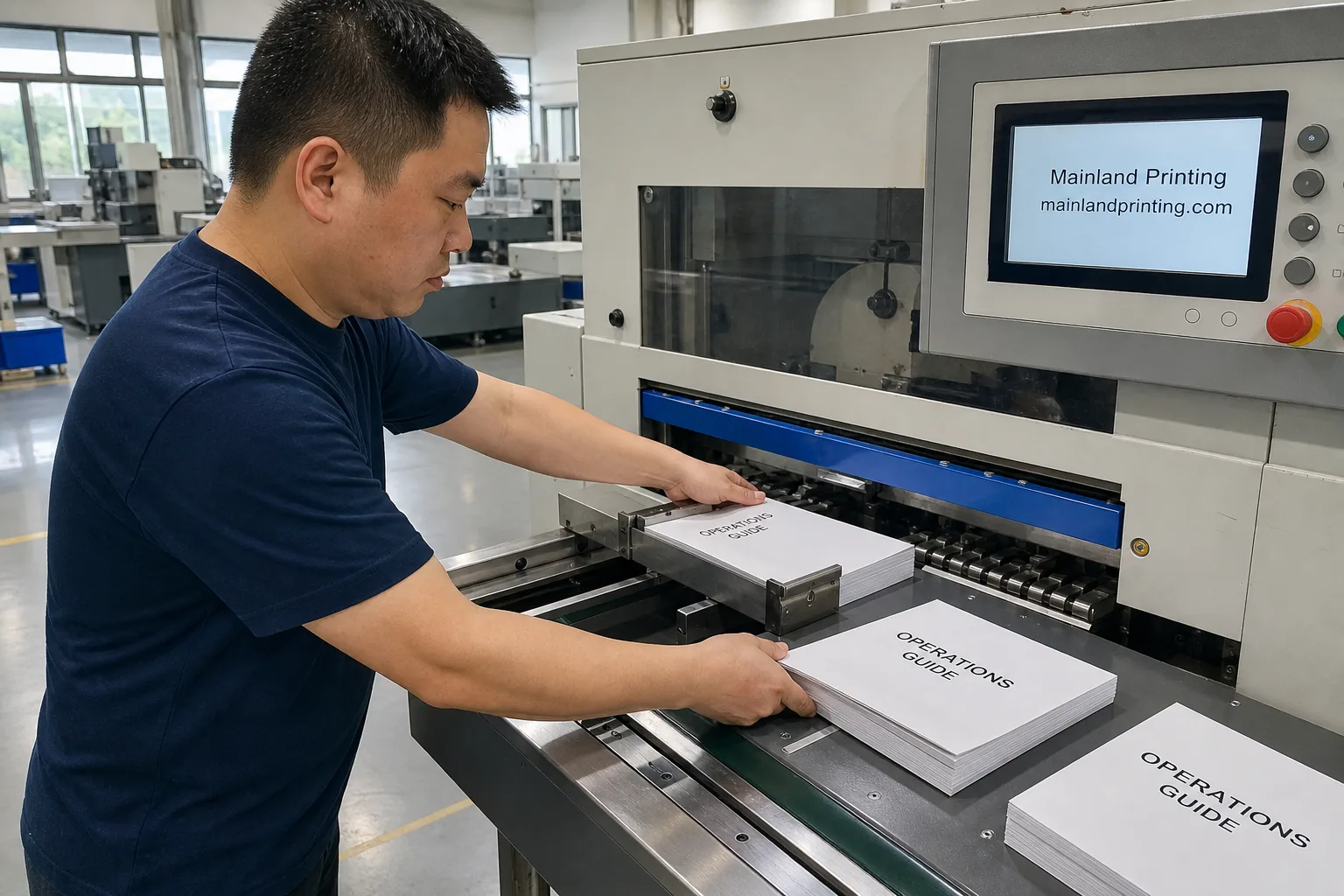
You already hold a hardcover print quote, yet your US warehouse still has no firm inbound week. Picking ocean versus air first rarely fixes that—you need a dock date, a carton plan, and receiving rules before any freight line means anything.
Plan China hardcover printing to a US warehouse by locking the dock receipt date first, then reverse-scheduling sample, production, packing, and freight. Treat DDP as final only after you share warehouse rules and carton specs—DDP covers duties and carriage, not inbound acceptance.
Below you will see which warehouse details to send before quoting, how hardcover specs change carton and freight math, what DDP does and does not decide, and how to reverse-plan print through dock receipt. Keep reading if you need a print-to-warehouse schedule you can defend.
Start With the Delivery Date, Not the Shipping Method
When you open a quote thread with “sea or air?”, you are skipping the only date your warehouse will enforce: the week cartons must clear inbound.
Write the required warehouse receipt window on the RFQ before you debate freight mode. Then ask the plant to backfill sample approval, press time, casing-in, export packing, and transit so the whole chain lands inside that window.
| If you start here | What usually happens | Better first move |
|---|---|---|
| Ocean vs air debate | Transit looks faster on paper; dock appointment still slips | Freeze receipt week + appointment rules first |
| “DDP included” headline | Landed number without carton or liftgate assumptions | Ask for receipt date + carton plan on the same quote |
| Print unit price only | Freight becomes a surprise after boards thicken the carton | Lock trim, board, page stock, then freight tier |
When you once chose air because “launch is close,” then learned the 3PL needed a three-day appointment buffer you never booked, the premium freight did not save the week—the missing dock date did. Put the receipt window in writing before you pay for speed.
If your launch calendar is still moving, Hold the freight mode choice and keep refining the print schedule against a provisional dock week. Mode shopping without a date is noise.
Put the dock week next to quantity on every revision. When marketing shifts the on-sale date, you update the warehouse window in the same email—not three threads later when freight is already booked.
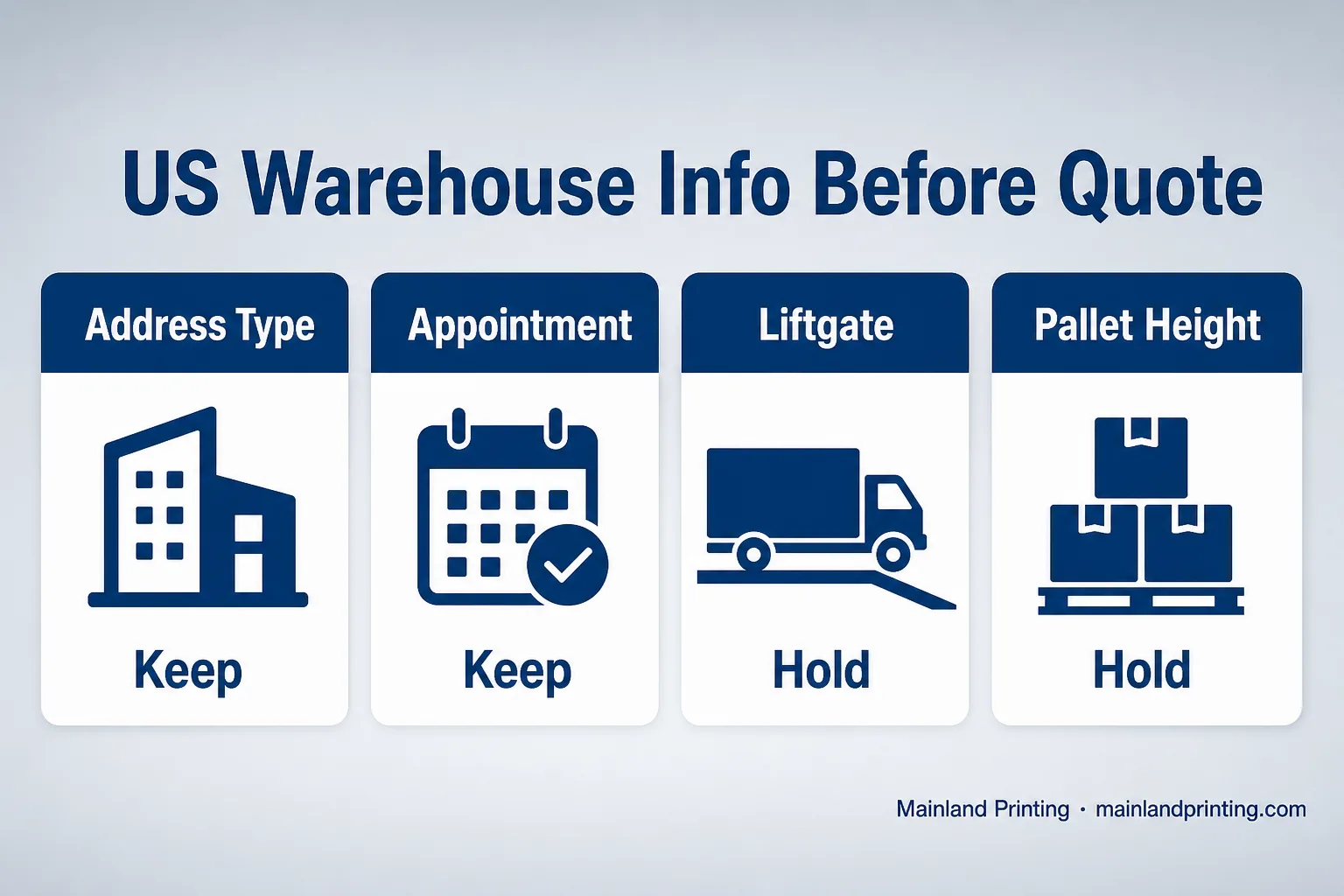
Information Needed for a US Delivery Plan
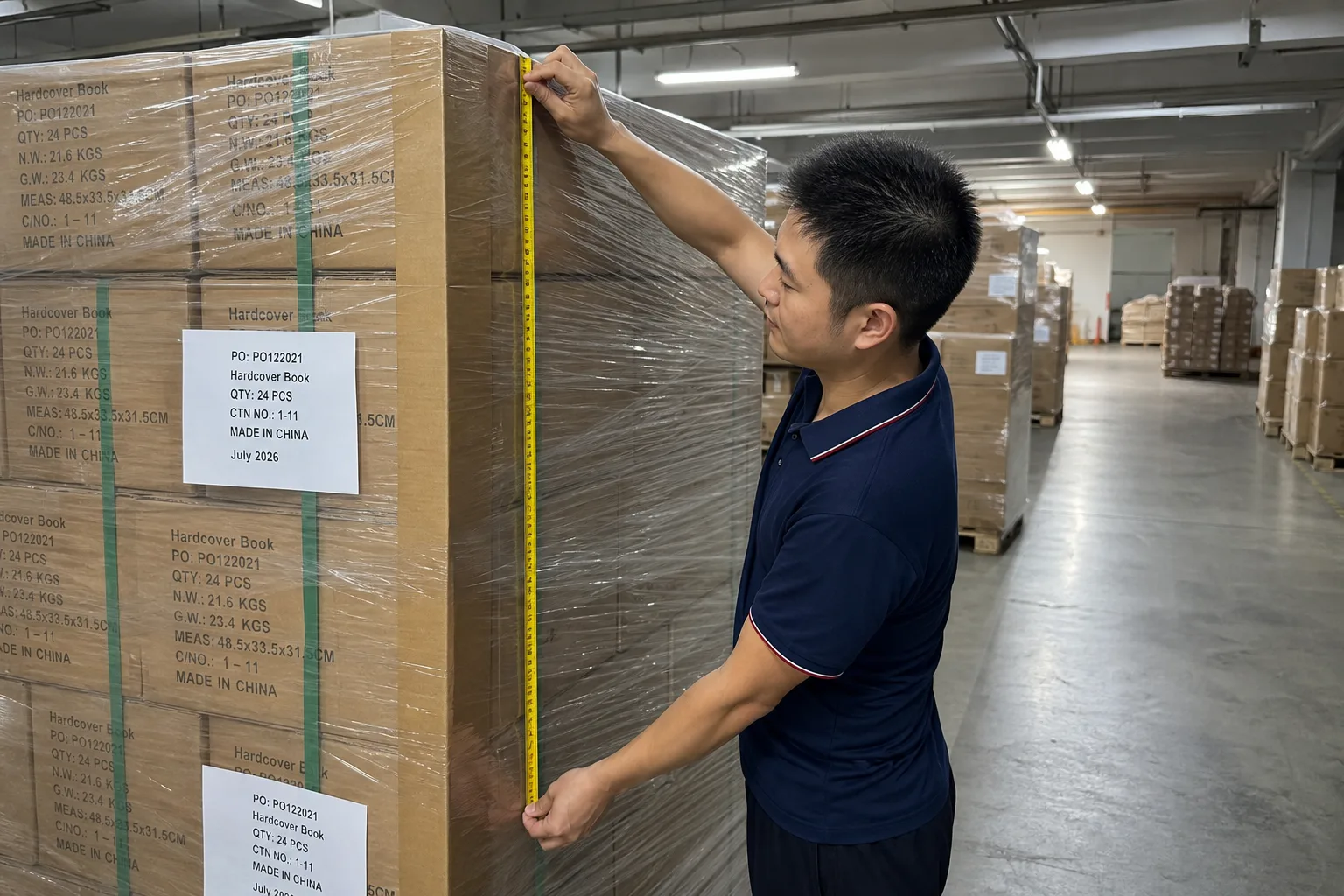
Before you ask for a DDP total, send the warehouse facts the forwarder cannot invent. Incomplete address threads are how “door delivery” turns into a refused trailer.
| Detail to send | Keep quoting when | Switch / Hold when |
|---|---|---|
| Full consignee + ZIP | Legal name matches warehouse paperwork | Only a city or “TBD 3PL” |
| Address type | Commercial dock / 3PL / residential labeled clearly | Type blank—liftgate and access fees stay unknown |
| Receiving hours + appointment | Hours + whether ASN/appointment is required | “Anytime” with no warehouse contact |
| Unload gear | Dock + forklift, or written liftgate need | Ground-level door with no liftgate line item |
| Pallet / height limits | Max height, wrap, and label rules stated | No limit—hardcovers stack heavy and tip risk rises |
When you only emailed trim size and quantity for a “shipping included” number, the plant priced a commercial dock while your buyer used a no-dock studio. The trailer could not unload without a liftgate you never bought. Send address type and unload gear in the same message as quantity.
Copy this line into your RFQ remarks: “US delivery plan: [address type], appointment [yes/no], liftgate [yes/no], max pallet height [in], receiving contact [name/phone].” If any bracket stays blank, Hold the freight line.
If you switch warehouses mid-project, resend the whole checklist—do not assume the old liftgate note still applies. A new ZIP can change accessorials overnight.
For broader China-to-US print planning context—not a substitute for this warehouse checklist—see the US publishers guide guide after you lock the dock facts above.
How Finished Book Specs Affect Cartons and Freight
Your hardcover is not a paperback with a thicker cover. Cover boards, endpapers, and page stock change books per carton, gross weight, and whether freight bills on weight or cube.
| Spec change | What shifts in packing | What you should ask |
|---|---|---|
| Thicker cover board | Fewer books per carton; corners need more protection | Board caliper + corner guards on the carton plan |
| Higher page count / heavier stock | Gross weight rises; may weigh out before cubing out | Books/carton + carton L×W×H + gross kg |
| Cloth / foil / jacket | Surface scuff risk; may need sleeves or dividers | Inner wrap method before you freeze DDP per carton |
| Larger trim | Carton footprint grows; pallet tier count drops | Pallet map vs warehouse max height |
When you upgraded board caliper after the freight tier was quoted, the plant dropped books per carton to protect corners. Your “same DDP” suddenly needed more cartons and a higher dim-weight bill. Freeze board and page stock before you lock freight—or reprice freight when specs move.
- Ask for a carton sketch with books per carton and void fill method.
- Confirm double-wall grade when hardcover stacks are heavy.
- Reject “standard export carton” with no L×W×H or gross weight.
- Re-quote freight if you change board, jacket, or page count after sampling.
If you need crush-resistant packing architecture for hardcover cartons and pallets, pair this section with hardcover bulk packaging so carton engineering and freight math stay in one plan.
What It Does and Does Not Decide
DDP is a trade term, not a warehouse acceptance certificate. Under Delivered Duty Paid, the seller typically arranges carriage and import formalities to the named place—but your 3PL can still reject pallets that fail receiving rules.
| Topic | DDP usually covers | DDP does not decide alone |
|---|---|---|
| Cost & risk to named place | Seller-side carriage, export/import formalities, applicable duty as quoted | Whether your warehouse accepts the pallet height or label set |
| Named place clarity | Delivery obligation to the place written on the contract | Unloading method if not spelled out (dock vs liftgate) |
| Invoice transparency | One landed path when line items are listed | Carton crush strength or corner protection quality |
For the official rule language on obligations and delivery under Incoterms®, read the ICC-Incoterms-Regeln, then bring the named place and unloading notes back to your proforma.
When you treated “DDP included” as proof the warehouse would accept any stack, a 60-inch pallet met a 50-inch limit and sat for rework. DDP paid the truck; it did not rewrite inbound rules. Write receiving limits beside the DDP line.
Ask your supplier to list freight, clearance, duty, and inland delivery as separate lines even under one DDP total. If any bucket is a vague lump, you cannot audit the quote when specs or the named place change.
Need a hardcover run planned through US warehouse delivery?
Share trim, board, quantity tiers, carton target, and warehouse receiving rules. Mainland Printing can align print and DDP routing before you approve the sample.
Warehouse Delivery Checks Before Dispatch
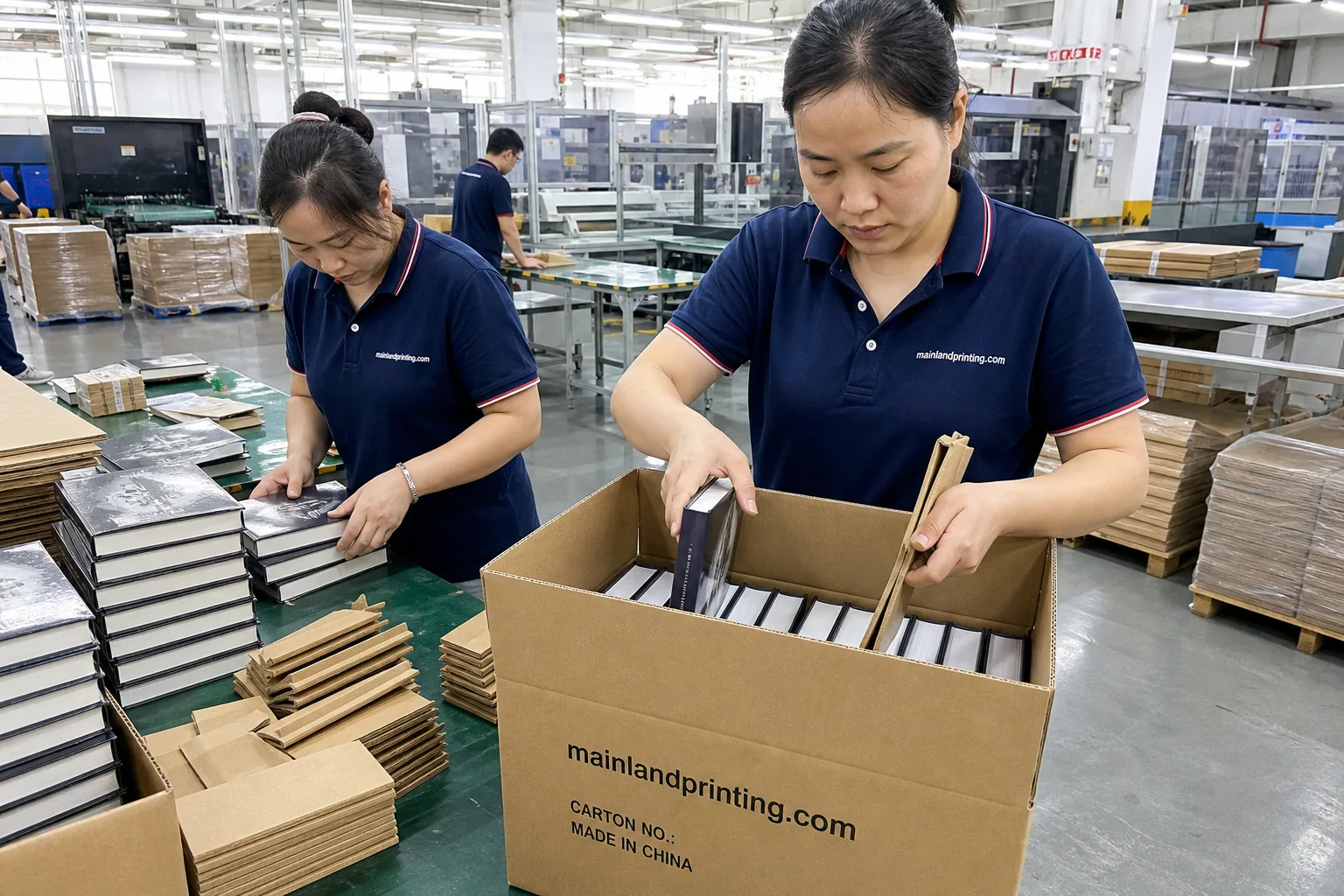
Before cartons leave China, run a Ready/Hold screen against the same rules your US warehouse will use on arrival day.
| Siehe | Ready when | Hold when |
|---|---|---|
| Carton marks | SKU, PO, carton # of # match ASN template | Generic “books” marks only |
| Pallet build | Height ≤ warehouse max; wrap + edge boards confirmed | Photo shows lean or overhang |
| Protective pack | Corner guards on hardcover stacks; no crush voids | Loose books shifting in open space |
| Delivery appointment | Window booked or broker confirms no appointment needed | ETA only—no warehouse confirmation |
| Liftgate / dock note | Written on BOL / booking when required | Assumed “driver will figure it out” |
Ask the plant for dispatch photos of pallet height and corner protection before the container is sealed. When you skip that photo, you discover crushed spines only after the warehouse charges a restack fee.
- Red flag: commercial invoice ready but carton marks still “TBD.”
- Red flag: pallet height measured after wrap exceeds the warehouse email limit.
- Red flag: liftgate required at address type, missing on the booking.
- Red flag: sample carton used bubble-only packing for cloth covers.
Plan Your Print and Delivery Timeline
Build the schedule backward from your warehouse receipt week. Ranges below are planning bands your logistics team must confirm—not universal promises.
| Bühne | Typical planning band | What you freeze here |
|---|---|---|
| RFQ + warehouse facts | 3–7 Tage | Dock week, address type, unload gear |
| Prepress + digital proof | 5–10 days | Trim, spine, files |
| Physical sample / wet proof | 7–14 days + courier | Board, cloth/jacket, carton trial |
| Mass production + casing-in | 2–4 weeks after sample OK | Quantity, QC criteria |
| Export packing + customs prep | 3–7 Tage | Marks, pallet map, booking notes |
| Ocean / air + US inland | Ocean often ~5–7 weeks door-to-door bands; air shorter—confirm route | Mode only after dock week survives the math |
Add buffer after physical sample if you change board, foil, or jacket—re-plating and re-casing can cost another production week. Air freight compresses the ocean leg; it does not erase sample or casing-in time.
Build a one-page Gantt with sample OK as the hard gate. If sample slips, you move the dock week or the mode—you do not keep both the old dock week and the old ocean booking by hope.
When your hardcover title and delivery plan are ready for a factory quote, start from Hardcover-Buchdruck with the dock week and warehouse checklist attached—not a bare unit-price ask.
If you also need to pressure-test the money side of the quote after the schedule is real, use the landed cost guide checklist once carton and warehouse facts are already frozen.
Lock the receipt week, send the warehouse facts, freeze specs that drive cartons, and treat DDP as a term you audit—not a promise that inbound will pass. That sequence is how you ship hardcover books from China to a US warehouse without gambling the launch on a freight-mode guess.