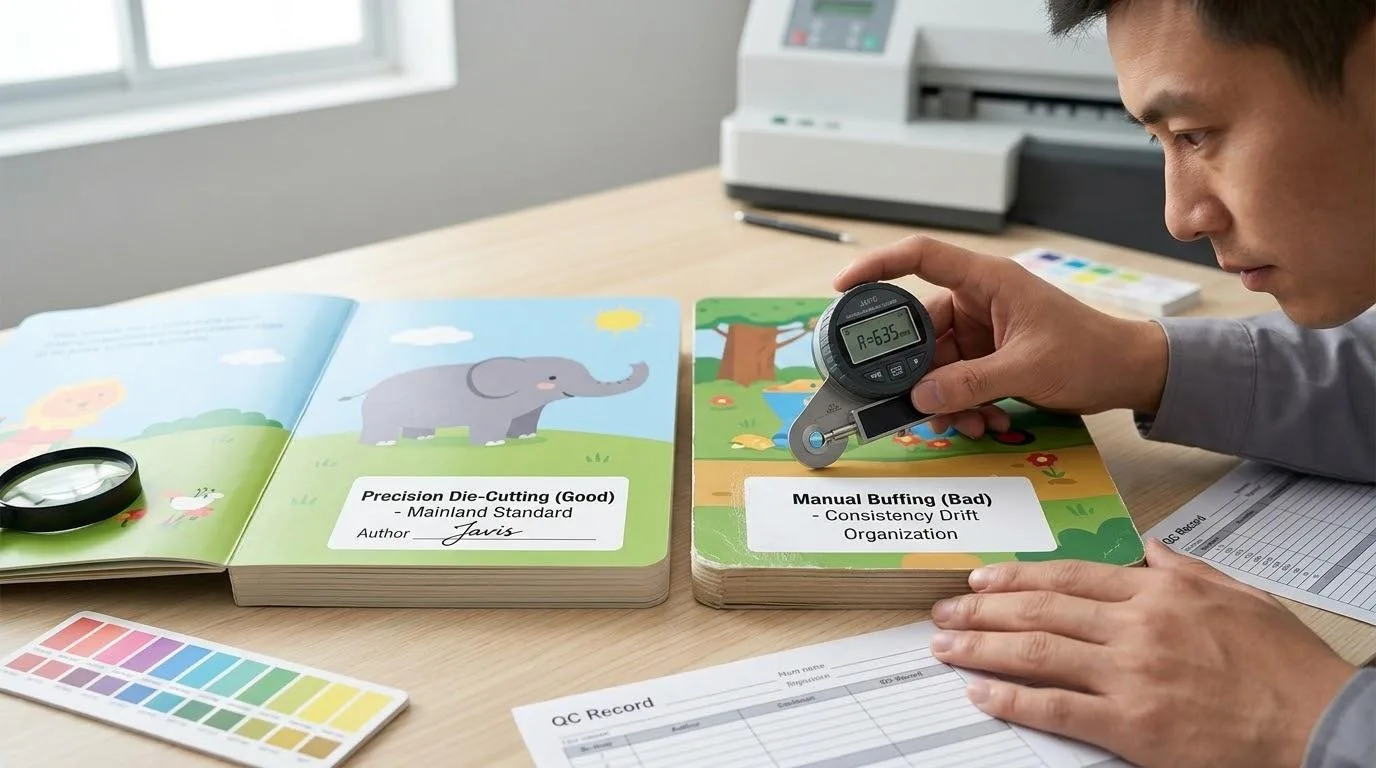
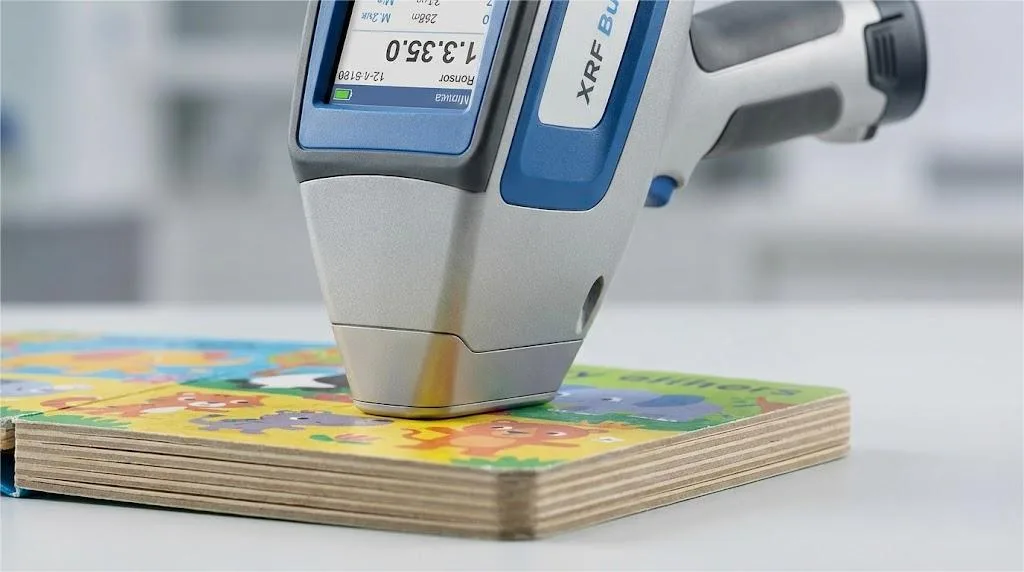
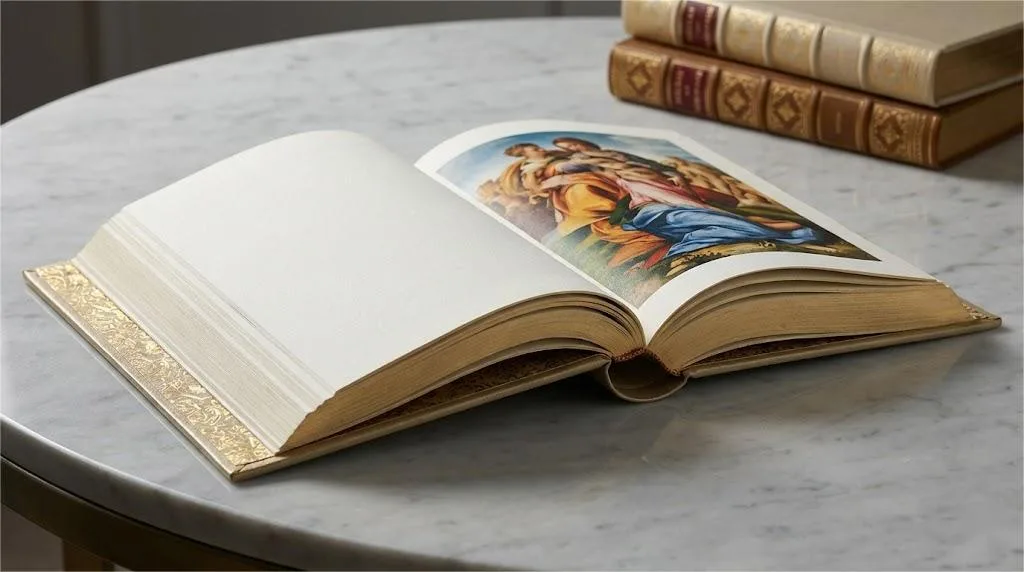
Most publishers believe that book warping is an unavoidable side effect of Southern humidity. It’s not. I’m going to show you the exact engineering protocols used to keep your covers flat and your spines intact, even in the most extreme climates.
To prevent book cover curling and glue failure, manufacturers must synchronize the paper’s moisture level with the destination climate. Using high-strength PUR adhesives ensures a heat-resistant bond, while applying inner-side tension compensation through aqueous coatings balances the physical forces that cause bowing.
But there is a secret “tension balance” technique that most factories completely overlook. Read on to discover the exact shipping standards and factory checklists you need to protect your inventory.
The Hidden Physics of “Moisture Shock”

To understand why books fail in high humidity, we need to look at the Quality Control in Book Printing moisture equilibrium protocol. Paper is hygroscopic; it is essentially a bundle of thirsty fibers that constantly seek a balance with the air around them.
Most factories in China or the Northern US maintain a dry environment, where paper sits at an internal moisture level of roughly 4.5% to 5.5%. However, the average summer humidity in Florida or Texas can push the Equilibrium Moisture Content (EMC) of paper to 12% or higher. When your dry books arrive in these states, the paper fibers absorb water and expand.
Because the exterior of the cover is usually laminated with a waterproof plastic film, the moisture can only enter from the inside. This creates an internal pressure—the inner fibers grow while the outer film stays rigid—forcing the cover to curl. This “Moisture Shock” is the primary reason for mass inventory loss.
“In the production of high-quality books, adherence to the Grain Direction rule is non-negotiable,” says Matt Baehr, Executive Director of the Book Manufacturers’ Institute (BMI). “Failing to acclimatize the paper to a 45-50% RH environment prior to binding is a leading cause of post-delivery cover distortion.”
Why Adhesives Fail
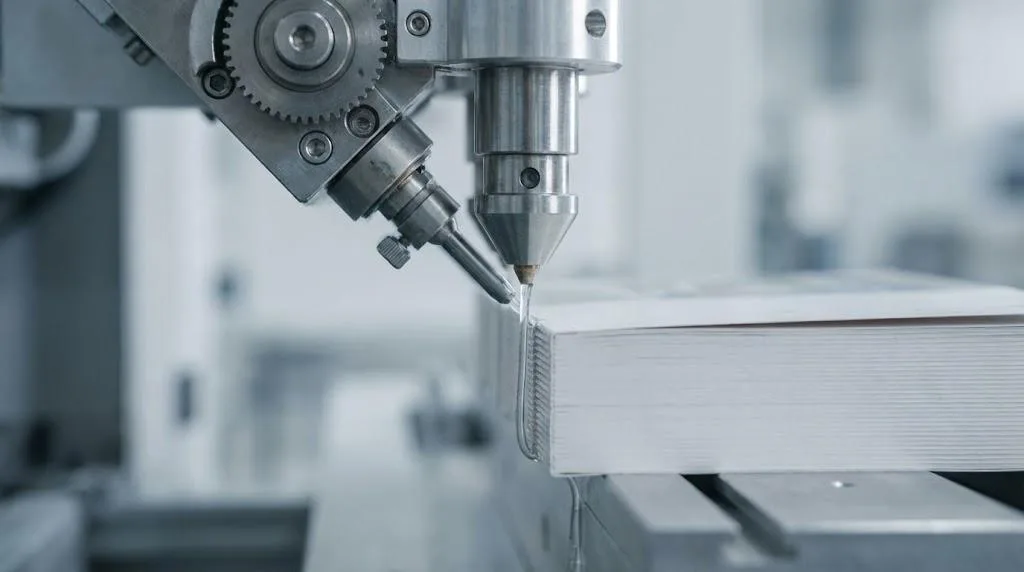
If moisture causes the curl, temperature often causes the “glue failure.” In the humid South, temperatures inside shipping containers or non-climate-controlled warehouses can easily exceed 40°C (104°F).
While many resources, including our comprehensive guide on 10 Types of Book Binding, discuss various construction methods, they often overlook the fact that traditional EVA hot melt glues are thermoplastic; they soften when heated.
This allows the expanded paper fibers to pull away from the spine, leading to “Adhesive Migration Failure.”
To ensure your books survive the heat, you must upgrade to PUR (Polyurethane Reactive) binding. Unlike EVA, PUR undergoes a chemical cross-linking process as it cures, creating a bond that is virtually immune to heat and humidity.
Comparative Technical Analysis: Binding Performance
| Feature | EVA Hot Melt (Standard) | PUR Adhesive (High-End) | Impact on Longevity |
|---|---|---|---|
| Peel Strength | 6 – 8 N/cm | 12 – 15 N/cm | PUR is nearly 2x stronger |
| Temp Resistance | Softens at 35°C+ | Stable up to 120°C | Essential for Sun Belt heat |
| Humidity Stability | Low (allows migration) | High (chemical bond) | Prevents spine splitting |
Symmetrical Tension Engineering
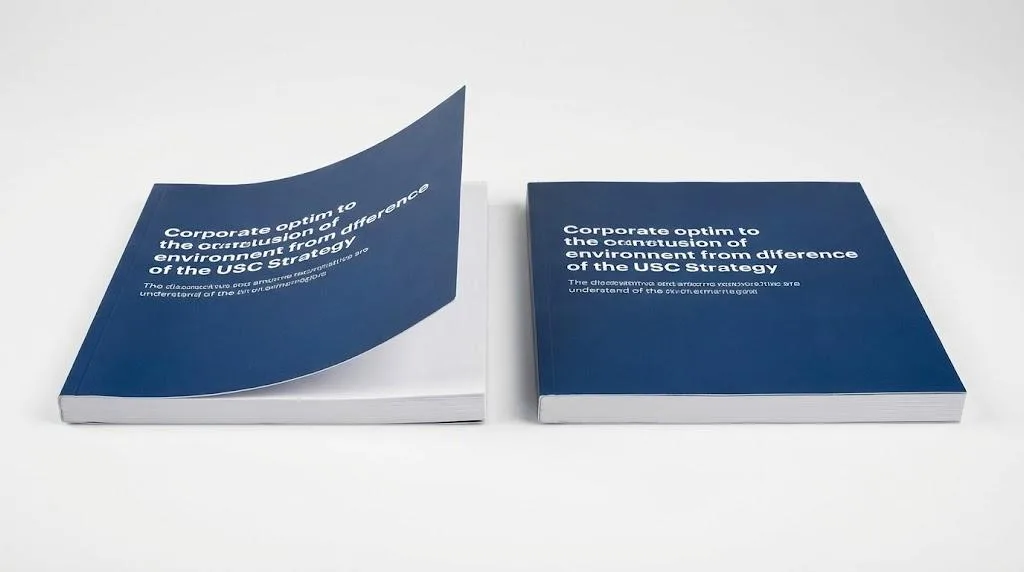
A common mistake I’ve seen in my 10 years as a factory owner is the belief that “thicker paper prevents curling.” In reality, a thicker 350g cover stock acts like a larger lever; when it absorbs moisture, it generates more force against the lamination, causing worse curling than a thinner sheet.
The solution is Symmetrical Tension Engineering. Since the curl is caused by an imbalance between the laminated outer side and the raw inner side, we create a “balanced sandwich.” We do this by applying a specific, high-solid-content aqueous coating or a thin “tension-balancing” lamination to the inside of the cover.
By sealing both sides, we ensure that moisture entry is slowed down and that any expansion happens uniformly. This internal pull counters the external pull, keeping the cover flat even when the relative humidity hits that dangerous 65% threshold.
Ready to Build a Warping-Proof Book?
Stop struggling with inconsistent binding. Our Softcover Book Printing service includes the “Tension Balance” protocol specifically for high-humidity destinations.
Real-World Experience
I remember a client—a major education publisher—who shipped 8,000 units of a thick softcover textbook to a warehouse in Houston. They insisted on using a standard 300g single-side laminated cover to save on costs. They used PUR glue and followed the grain direction, so they thought they were safe.
Two weeks later, I received photos of the books. The covers had curled so tightly they looked like tubes. The glue held the spine perfectly, but the physical stress of the dry paper absorbing the 85% Texas humidity was too much for the single-side lamination.
We eventually re-ran the order using our Inner-side Tension Compensation (a specialized matte varnish on the inside) which kept the books perfectly flat. This taught the client that “quality” isn’t about the weight of the paper; it’s about the balance of forces.
The Maritime “Rainforest Effect” and Logistics Defense
The journey from a factory in Book Printing in China to a port in Savannah or Miami involves crossing the tropical Pacific. Inside a steel shipping container, temperatures can hit 60°C (140°F) during the day and drop sharply at night, causing “container rain.”
Standard plastic wrap is not enough. To truly prevent book cover curling and glue failure, you must protect the “micro-climate” inside your pallets. We recommend a Six-Side Defense Protocol:
- Vacuum-Sealed Aluminum Foil: Unlike clear stretch wrap, aluminum foil is a total moisture barrier. It keeps the factory’s controlled humidity in and the ocean’s salt-heavy humidity out.
- Montmorillonite Desiccants: We place industrial-grade clay desiccants inside the foil. These can absorb up to 200% of their weight in moisture, far outperforming standard silica gel.
- Humidity Indicator Cards: We include these inside the packaging so you can verify the climate stability upon arrival.
The Cost of Failure
As a production manager, you might find it difficult to justify the extra $0.08 to $0.15 per book for PUR glue and barrier packaging. When you are talking to your CFO, don’t focus on the cost of the glue—focus on the cost of a total loss.
If a 5,000-book shipment is rejected by Amazon or a major retailer due to warping, your losses aren’t just the printing bill. Use this formula to see the real stakes:
Total Financial Loss = (Unit Cost + Shipping + FBA Removal Fees) × Quantity + Brand Equity Damage
For most professional publishers, a 20% rejection rate on a 5,000-book run results in a financial hit of $30,000 to $50,000. Spending an extra $500 on high-grade adhesives and moisture control is the most cost-effective insurance policy you will ever buy.
Your Professional Vendor Audit Checklist
Before you sign your next print contract for a shipment heading to the South, ask your supplier these four hardcore questions:
- “What is your target Equilibrium Moisture Content (EMC) for the Sun Belt?” (They should answer 8% – 10%, not 5%).
- “Can you provide a 0.3mm PUR application on the spine?” (Anything thicker can actually reduce flexibility).
- “Do you offer inner-side tension compensation for 300g+ covers?”
- “Do you use Montmorillonite desiccants and vacuum-sealed foil for maritime freight?”
“PUR is inherently superior for ‘Extreme Climate Logistics’,” says the technical team at Henkel Adhesive Technologies. “Because it forms a permanent, irreversible chemical bond, the spine becomes virtually immune to the temperature and humidity spikes common in maritime freight.”
Summary: Professional Certainty for 2026
In 2026, the global supply chain is too volatile to leave your book quality to chance. By implementing a Moisture Equilibrium Protocol and insisting on PUR cross-linking, you move from “hoping for the best” to “engineering for success.”
You are not just printing a book; you are delivering your brand’s promise. Don’t let a few days of Florida humidity destroy months of hard work. If you are planning a large-scale shipment to the Southern US and want to ensure your inventory is protected, contact our technical team.