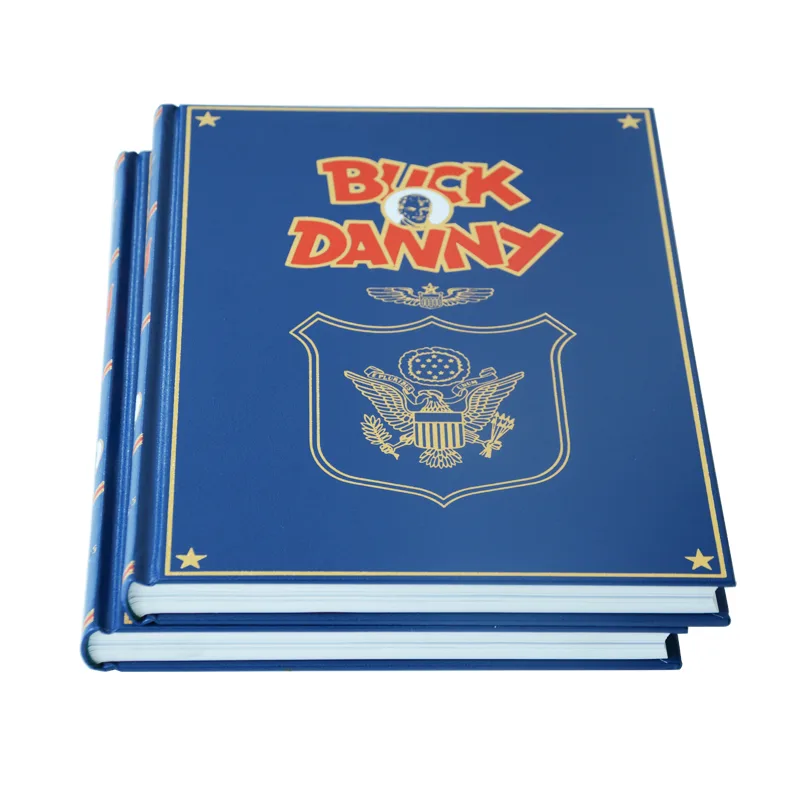
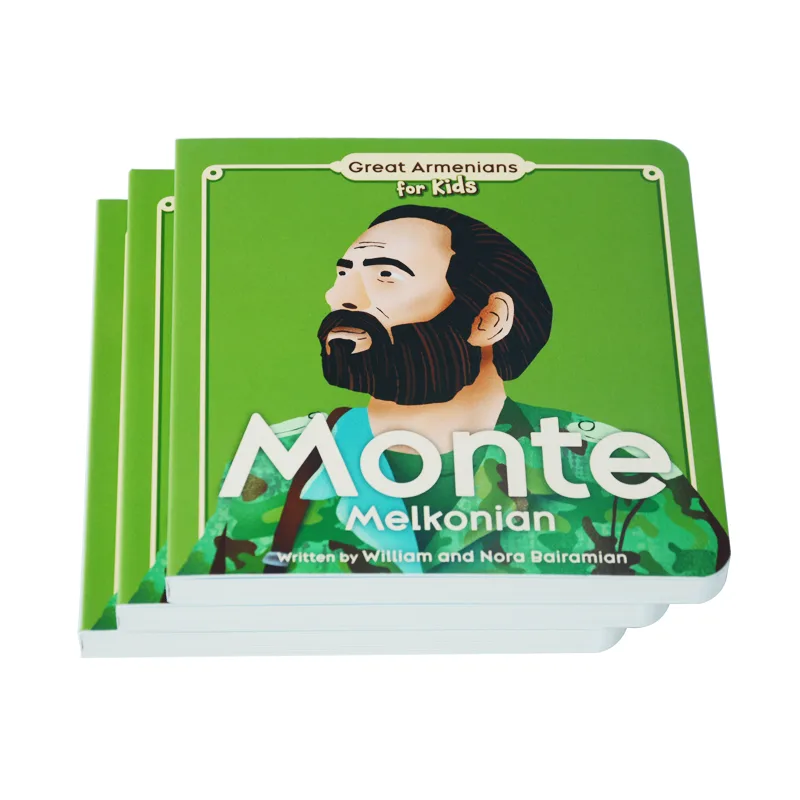
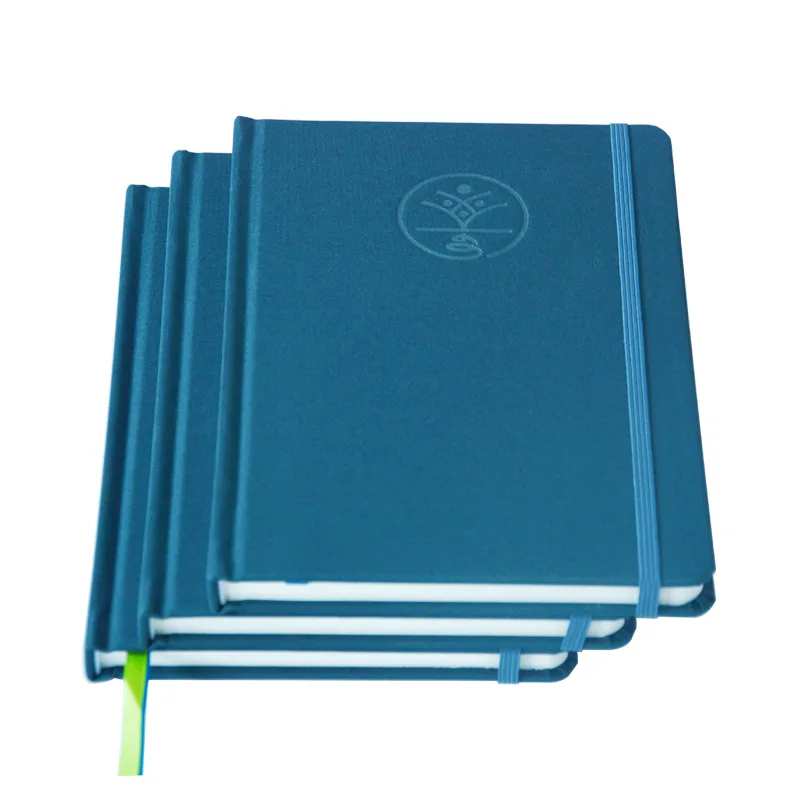
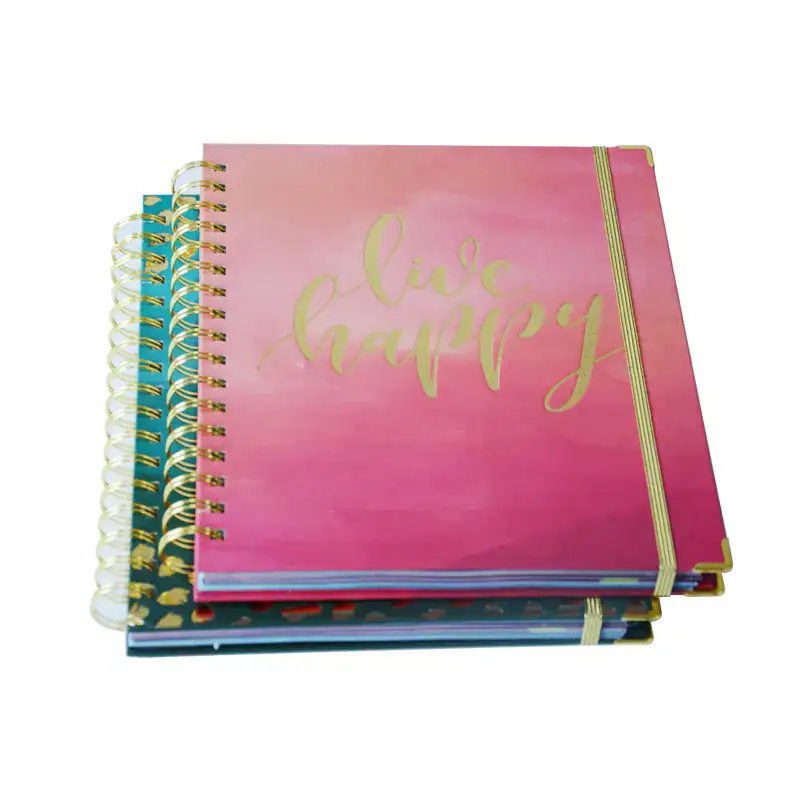
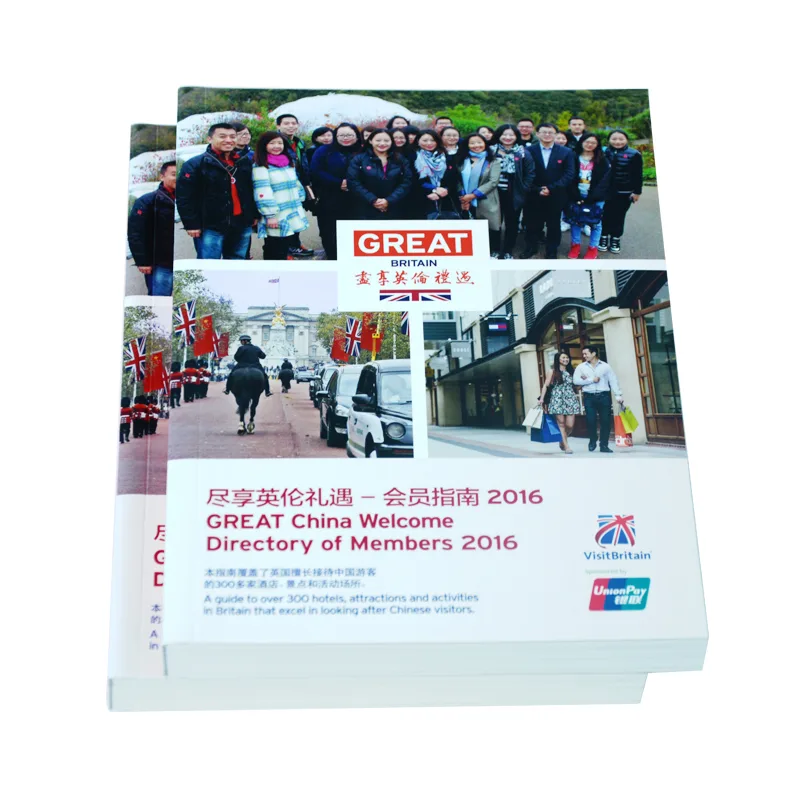
When a picture-book manuscript is ready to print but Hardcover vs Softcover is still open, comparing loose unit prices rarely settles the run.You can still lock ages 4+ paper-page format by channel, quote both covers on one shared sheet, and divert toddler board projects before the sample stage. The goal is a format decision you can defend in the next reprint—not a one-email preference.
Choose hardcover vs softcover children’s book formats for ages 4+ by matching channel and handling first, dual-quoting both covers on one trim/page/finish ladder, then diverting ages 0–3 board books to a separate product route.
You will leave able to freeze one format—or a deliberate dual edition—with landed cost visible, and write an RFQ that already separates shared facts from format-only fields so the next reprint does not reopen the same debate. That is the close of the format decision loop.
Lock Hardcover or Softcover for Ages 4+ Picture Books
Use this page when the reader can handle paper pages and the project is a picture book—not a chew-and-tear toddler title. Hardcover vs Softcover is then a channel and handling decision, not a quality ranking.
Does not claim a measured failure rate, a completed named project, or that Hardcover is always higher quality.
Name reader age, primary sales channel, and first-print quantity before you ask which cover “looks better.” Keepsake and library paths usually default to casebound Hardcover; school packs and event giveaways often default to Softcover for unit cost and weight.
| Project signal | Wählen Sie |
|---|---|
| Gift / library keepsake, long shelf life | Casebound Hardcover; ask Smyth sewn when spreads must open flat |
| School packs, classroom sets, event giveaways | Softcover / paperback for unit cost and portability |
| Retail plus school need different margins | Plan dual editions; quote both on one shared ladder first |
| Reader still in chew-and-tear stage (about 0–3) | Stop HC-vs-SC here; open a board-book brief instead |
Hardcover is not automatically “higher quality.” It is a different product path with board, case, and often higher freight weight. Softcover is not a downgrade when the channel needs lightweight packs at volume.
Write the intended retail or distribution price band next to the format choice.A keepsake title that needs to clear a higher shelf price can justify casebound investment; a classroom pack that must hit a low per-unit target usually cannot. When those two numbers conflict, you are looking at a dual-edition problem—not a single-cover compromise.
If page count, trim, or cover finish is still floating, Hold the format lock and freeze those shared facts first—otherwise every revision reopens both covers. For commercial production planning after the format is locked, continue on Kinderbuchdruck.
Inspect the live sample whenever you change interior stock or lamination: Softcover wrap and Hardcover case can hide different scuff and corner risks even on the same art files.A Softcover that feels fine in the hand can still scuff in a school tote; a Hardcover that looks premium can still warp if board and wrap notes stay vague on the RFQ.
Keep first-print quantity honest. A 300-copy Softcover school test (typical offset MOQ planning band) and a 1,000-copy Hardcover retail launch are different products even when the PDF is identical. If quantity is still “TBD,” you do not yet have a format decision—you have a brainstorm.
Library and trade buyers often treat binding as a durability and channel signal—see how the Book Industry Study Group frames professional publishing standards when you write the RFQ narrative for retail or library buyers.
Quote Hardcover and Softcover on One Spec Sheet

When the manuscript is complete enough to quote and the buyer has not locked Hardcover vs Softcover, picture-book buyers sometimes ask for minimum quantity and pricing on both paperback and hardcover before locking format.Fair comparison only works when trim, page count, cover finish, and quantity bands stay identical across both columns.
Does not claim every RFQ asks for both; does not invent win rates or project outcomes.
If you still need to compare formats, ask for both paperback and hardcover on one shared trim, page count, finish, and quantity ladder — then lock the format with landed cost in view.
When describing available format options on CTA/RFQ paths, keep both covers available on the children’s book service path.
You can quote both casebound Hardcover and Softcover children’s picture books in one RFQ, and ask for Smyth sewn when you need spreads that open flat for read-aloud.
| RFQ field group | Write this |
|---|---|
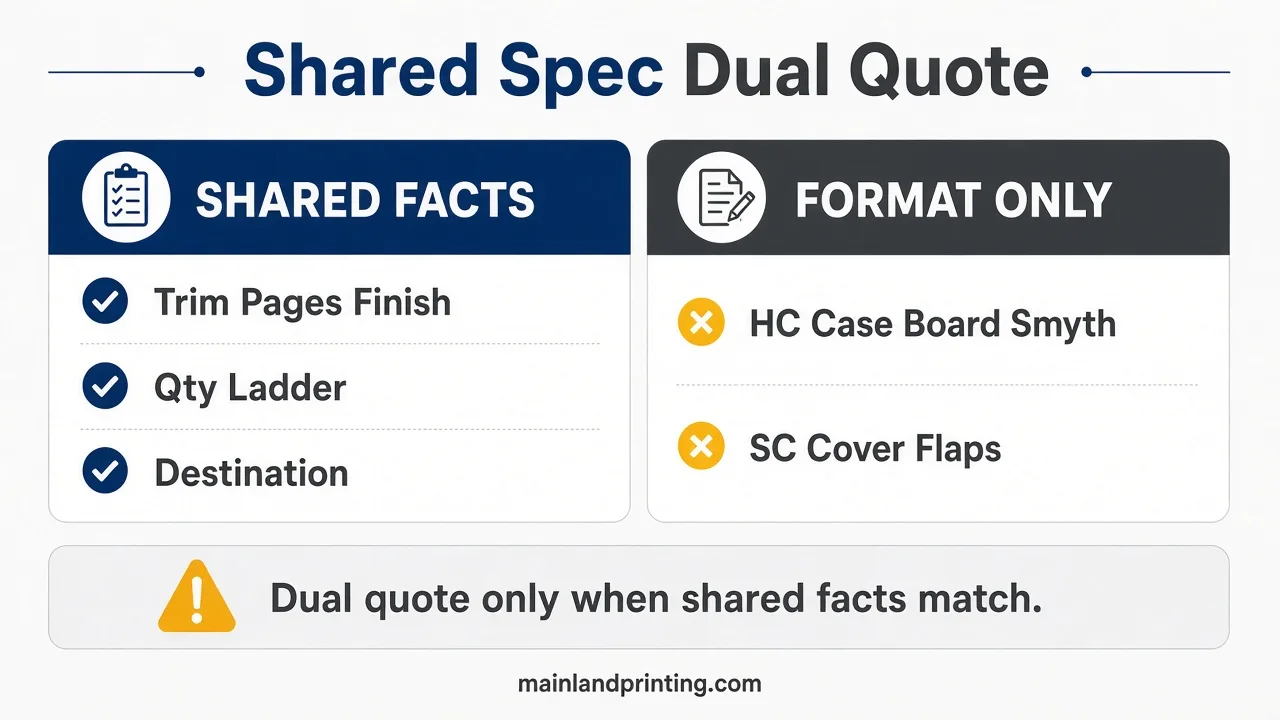
| Shared facts (both covers) | Trim, page count, color, interior stock target, finish intent, qty ladder (e.g. 300 / 500 / 1000), destination |
| Format-only facts | Hardcover: case type, board thickness, Smyth vs adhesive; Softcover: cover weight, flaps yes/no |
| Sample checkpoint | Request one Softcover and one Hardcover blank or printed sample when both remain in play |
| Lock rule | Choose the cover that clears channel + landed cost; do not pick from unit print price alone |
You can quote both casebound Hardcover and Softcover children’s picture books in one RFQ, and ask for Smyth sewn when you need spreads that open flat for read-aloud. That capability sits on the children’s book service path—it is not a promise of a fixed Softcover savings percent.
Treat the dual quote as a temporary instrument. Once channel and landed cost pick a winner—or confirm you truly need both SKUs—collapse the RFQ to one cover per SKU so production, packing, and ISBN notes stop mixing. Leaving both covers “open forever” is how prepress files and carton marks drift.
- Warnsignal: Softcover quoted at 32 pages and Hardcover at 40 pages on the “same” title.
- Warnsignal: One cover includes freight; the other is EXW only.
- Warnsignal: Quantity ladders differ (300 vs 500) so unit prices cannot be compared.
- Warnsignal: Softcover sample approved, then Hardcover art resized without a new proof.
Copy this line into RFQ remarks: “Please quote Softcover and Hardcover on identical trim, page count, finish, and qty bands; list format-only differences in a second block.” If any shared field drifts, Hold the format decision until the sheet is rebuilt.
When both samples arrive, check the same three things side by side: gutter loss on the center spread, cover scuff after a bag rub, and how the book sits in a classroom tote versus a gift bag. Those checks beat arguing about which cover “feels nicer” in an email thread.
Cost structure depth for board, picture, and other children’s formats stays on the children’s book cost guide—this page only forces a fair dual-format quote before you lock. Softcover cover-stock detail after the lock continues on Softcover-Buchdruck.
Sample watch-out: Measure spine wrap and inspect corner crush on both covers before you approve—do not verify Softcover only and assume Hardcover will match.
Plan Your Children’s Picture Book Formats
Share age band, page count, Softcover and/or Hardcover preference, quantity ladder, and sales channel. Mainland Printing can align casebound and softcover options before you approve the sample.
Match Format to Channel, Then Divert Board Books

When the buyer can name retail, school, or direct/event distribution, channel defaults matter more than cover aesthetics.
Name the primary channel first: library/gift keepsakes usually default to Hardcover; school packs and event giveaways often default to Softcover — run dual quotes when you truly need both channels.
Defaults are planning heuristics, not guarantees of sell-through; does not invent channel sales ratios.
Use when routing toddler projects away from HC-vs-SC picture-book decisions.
If the reader is still in the chew-and-tear stage, route the project to a board book brief — this page only locks Hardcover vs Softcover for ages 4+ paper-page picture books.
Does not restate board construction/safety deep dive; that stays on durable/board URLs.
| Channel / age signal | Default next step |
|---|---|
| Bookstore / gift / library keepsake | Default Hardcover; confirm Smyth if read-aloud spreads matter |
| School / promo / high unit volume | Default Softcover; confirm cover weight and scuff protection |
| Two channels with different margins | Dual edition on one shared RFQ sheet, then lock each SKU |
| Ages ~0–3, thick pages, rounded corners | Leave this article; use durable binding + board product path |
Board construction, rounded-corner safety, and board-vs-hardcover durability depth belong on durable children’s binding. Do not force a Softcover picture-book quote onto a toddler title to “save” unit cost—open Pappbuchdruck instead.
When Softcover is the lock, finish and flap choices still drive scuff risk after format is frozen. When Hardcover is the lock, case thickness notes (often 2–3 mm greyboard) and wrap stock still need a written sample check.
If your list will carry both a board toddler title and a paper-page picture book under one brand, treat them as two RFQs. Mixing board thickness questions into a Softcover/Hardcover ladder creates false apples-to-apples pricing and usually wastes a sample cycle of 7–14 days.
Trade associations and library buyers often treat binding as a durability and channel signal, not a vanity upgrade. Pair that narrative with your own channel defaults so the printer is not guessing whether the book is a gift keepsake or a classroom pack.
For US retail compliance questions that sit beside format choice—materials statements, age grading language, and packing notes—keep a separate checklist from the cover decision. Format lock answers “which cover”; compliance answers “what must be true of every unit.” Do not let one email thread blur both.
Approve the Format Lock Before You Scale the Print Run
Keep a one-line format decision on the RFQ header—for example Softcover only, Hardcover only, or Dual edition SKUs—so every later email thread inherits the same lock. If marketing later adds a gift SKU, open a new dual-quote sheet rather than silently changing the Softcover classroom run.
Ages 4+ picture books lock Hardcover or Softcover from channel and handling, not from a blanket quality claim. Dual-quote on one shared ladder when both covers are still open; divert ages 0–3 board work off this page.
Before you scale past the first carton, confirm three written locks: the cover you chose, the quantity band that funded the quote, and the sample ID that matched that cover. If any of the three is still verbal, Hold mass production.
When age band, page count, Softcover and/or Hardcover preference, quantity ladder, and sales channel are written, start from Kinderbuchdruck with those fields attached—not a bare “which is cheaper?” ask.Case and board notes after a Hardcover lock continue on Hardcover-Buchdruck. If shared specs still drift between covers, Hold the press date until one fair sheet exists.
A format lock that already names channel and landed-cost rules is the signal you are ready to approve samples and scale—without reopening Hardcover vs Softcover on every reprint. Reprints should only reopen the cover when the channel itself changes.