Stop guessing if your board books meet U.S. safety standards. This guide provides a clear, actionable framework for navigating the essential materials & safety certifications for board book printing. We’ll walk you through the entire process, ensuring your product is both beautiful and completely safe for children.
Safe board book printing requires strict adherence to U.S. regulations. Materials must comply with CPSIA standards, limiting lead in substrates to 100 ppm and in surface coatings to 90 ppm, while keeping eight specified phthalates below 0.1%. Furthermore, the final product must pass ASTM F963-17 testing for physical durability and chemical safety, including limits on soluble heavy metals.
Now, you’ll get the actionable steps and real-world case studies you won’t find anywhere else. Read on to learn about the three most common—and costly—mistakes brands make, and how you can avoid them.
Compliance as a Business Decision

Before diving into the technical details of materials, it’s crucial to frame safety compliance not as a line-item expense, but as a core business strategy. The financial stakes are significant.
The U.S. Consumer Product Safety Commission (CPSC) can levy civil penalties of up to $100,000 for each violation, with a total cap exceeding $17 million. Beyond these fines, a product recall can trigger a sales decline of 10-15% over the following two years—a substantial impact in the competitive $2.6 billion U.S. children’s book market.
This proactive approach is consistently emphasized by regulatory bodies.
“We urge manufacturers to build safety into their products from the ground up. Compliance with our mandatory standards is the law, and rigorous testing at a third-party laboratory is essential to verify that a children’s product is safe before it reaches a child’s hands.”
– Alexander Hoehn-Saric, Chair of the CPSC
Investing in compliance isn’t just about avoiding penalties; it’s about protecting your brand’s value and securing your place in the market.
Conclusion: From Buyer to Brand Guardian
Ultimately, ensuring the safety and durability of your board books comes down to a combination of rigorous processes, transparent management, and a partnership with a supplier who treats your brand’s integrity as their own.
When you are equipped with the right knowledge and a proactive mindset, you shift from being a reactive buyer to a strategic brand guardian. You are no longer just purchasing a product; you are making a deliberate choice to protect your customers, mitigate risk, and build a brand that parents can trust implicitly. Mastering the nuances of materials & safety certifications for board book printing is the foundation of that trust.
If you are looking for a partner who embeds these principles into every step of the production process, our team is ready to share how we’ve helped other brands navigate these challenges successfully.
Board Book Safety Specification Matrix
Use this before production.
| Safety area | What to specify | Why |
|---|---|---|
| Age range | Toddler, preschool, gift, educational use. | Defines durability and risk level. |
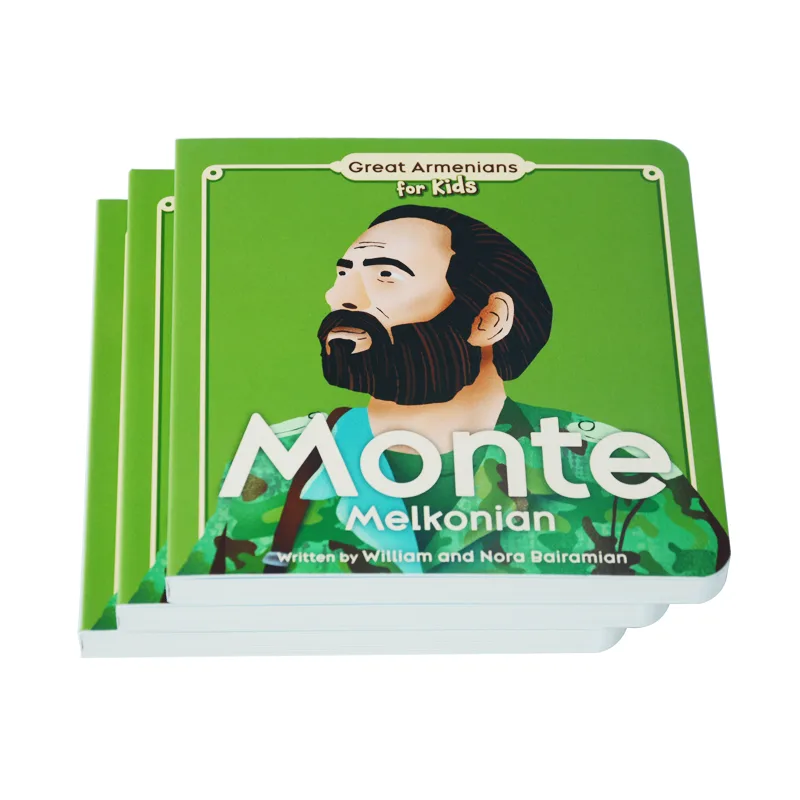
| Corners/edges | Rounded corners and smooth edges. | Reduces handling risk. |
| Surface | Lamination, coating, ink rub resistance. | Protects against wear and mouthing. |
| Binding | Board adhesion and spine strength. | Prevents loose parts. |
Safety Approval Workflow
Control safety before mass production.
| Stage | Buyer action | Supplier evidence |
|---|---|---|
| Spec | Confirm age and use case. | Material and construction recommendation. |
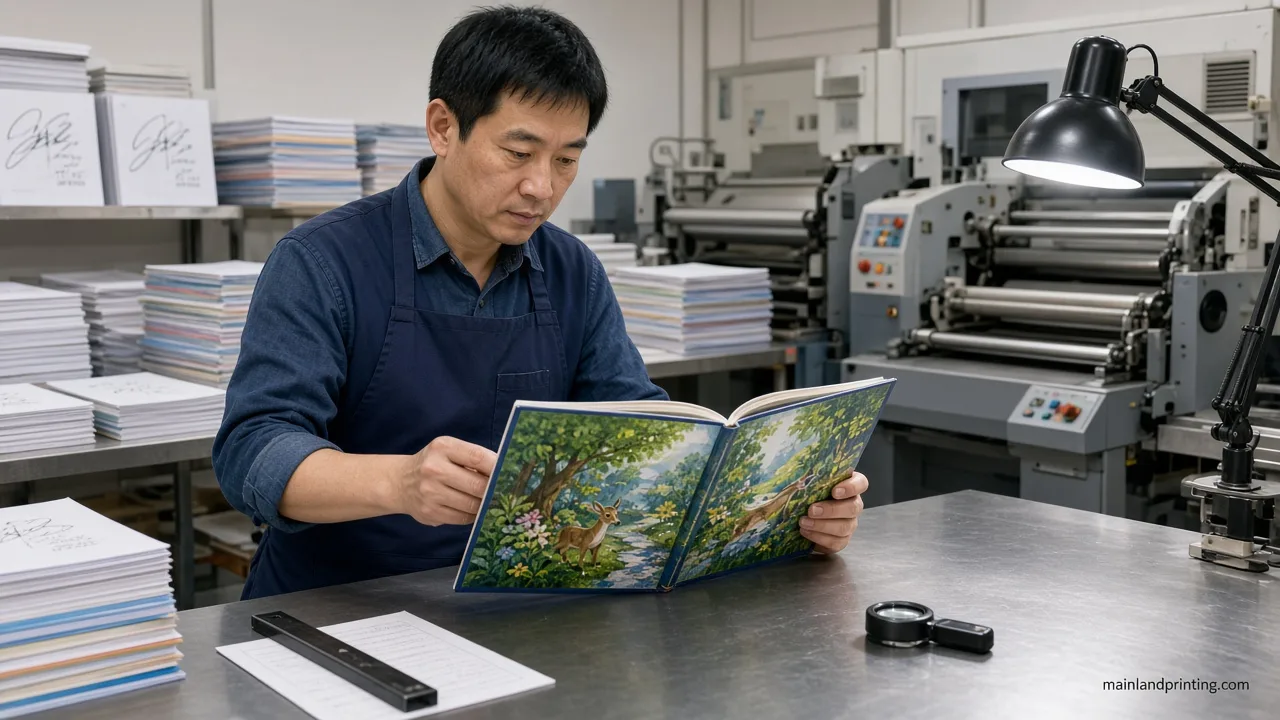
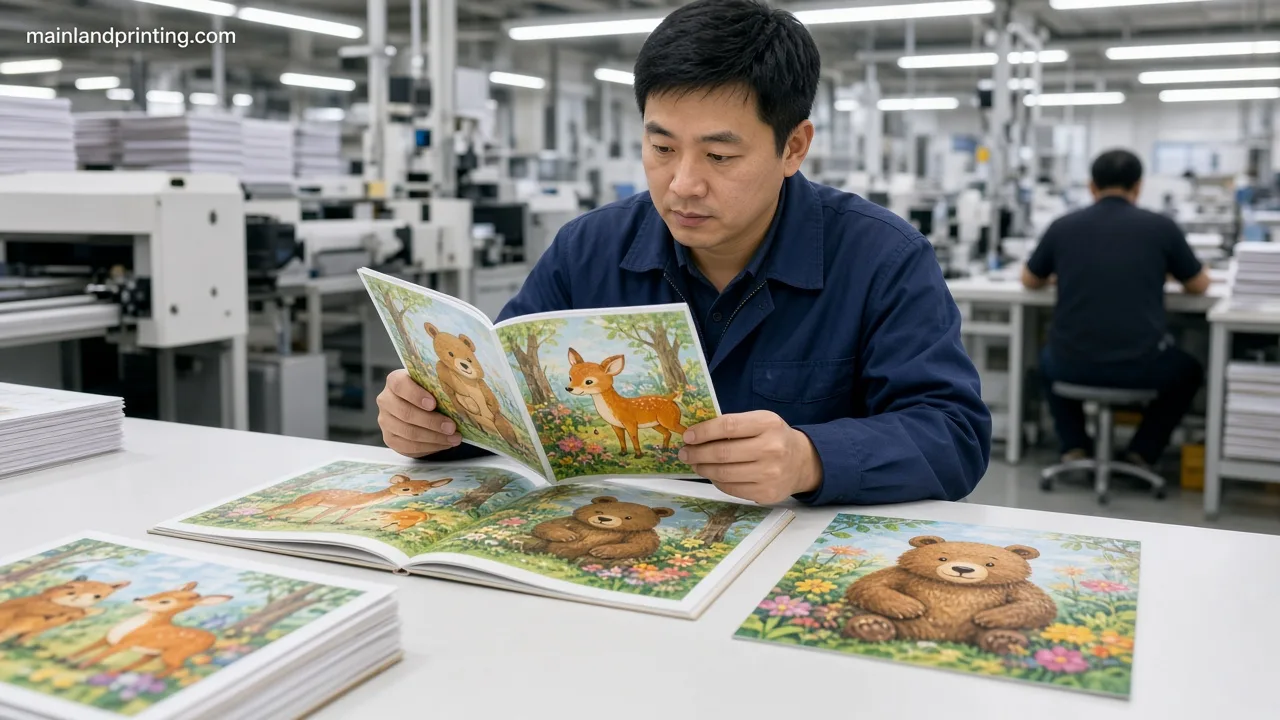
| Sample | Review handling and durability. | Physical sample photos and notes. |
| QC | Define unacceptable defects. | Inspection checkpoints. |
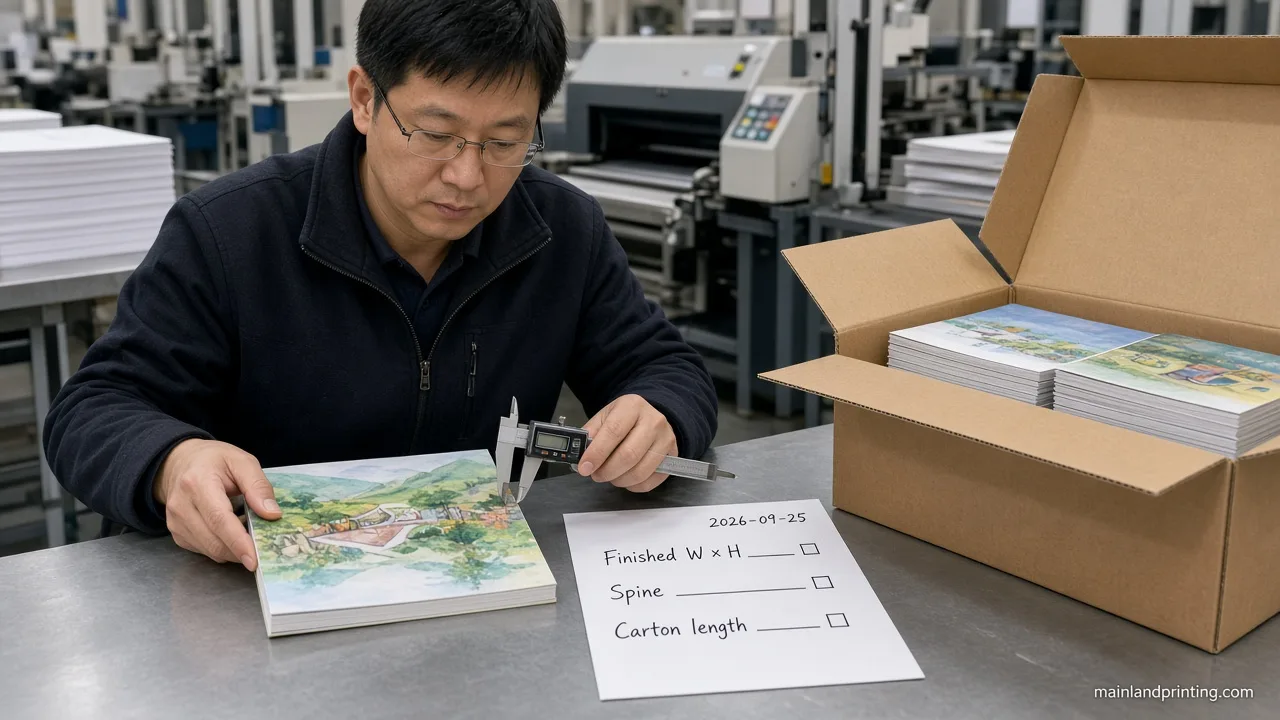
| Shipment | Confirm packing protection. | Carton and pallet photos. |
Common Safety Risk Signals
Watch for these signals in samples.
| Signal | Risk | Action |
|---|---|---|
| Sharp corner | Handling safety issue. | Require rounded corners. |
| Peeling laminate | Mouthing and durability risk. | Change finish or supplier process. |
| Weak spine | Pages may separate. | Review binding method. |
| Strong odor | Material/ink concern. | Investigate material source. |
Buyer FAQ
What makes a board book safe?
Safe board books use suitable materials, rounded corners, durable lamination, strong binding, controlled inks, and QC checks for the intended age range.
Those same safeguards are standard in custom board book printing: certified inks, rounded corners, and batch retention samples.
For the broader production path, review this Children book guide before you finalize specifications, supplier selection, and budget expectations.
Do board books need safety testing?
Testing needs depend on market, age range, retailer, and product claims. Buyers should discuss requirements before production.
How can buyers reduce board book safety risk?
Define age range, approve physical samples, check corners and lamination, and request QC evidence before shipment.