Tired of misaligned spreads and “exploding” board books that refuse to stay closed? After 9 years of high-end manufacturing, I’m showing you exactly how to achieve 0.1mm precision using advanced one-piece engineering.
One-piece board book construction for interactive flap books is a precision manufacturing process that integrates flaps directly into the page structure during die-cutting. This eliminates manual gluing, ensures visual alignment within 0.15mm, and prevents page bulge for a perfectly flat finish.
But visual alignment is only half the battle. Read on to discover the hard data on how this specific construction can slash your DDP shipping costs by 12% while virtually eliminating Amazon quality returns.
The High-Stakes Comparison: Why Manual Assembly is Costing You
Most printers will tell you that manual assembly is “standard.” What they don’t tell you is that manual assembly relies on human hands to glue individual flaps onto a base page. In a world of 0.1mm margins, human hands are a risk factor.
| Feature | Traditional Manual Assembly | One-Piece Integrated Construction |
|---|---|---|
| Visual Alignment | 0.5mm – 1.2mm Error (Visible) | ≤ 0.15mm (Seamless) |
| Structural Integrity | Flaps can be peeled off by toddlers | Indestructible (Part of the page) |
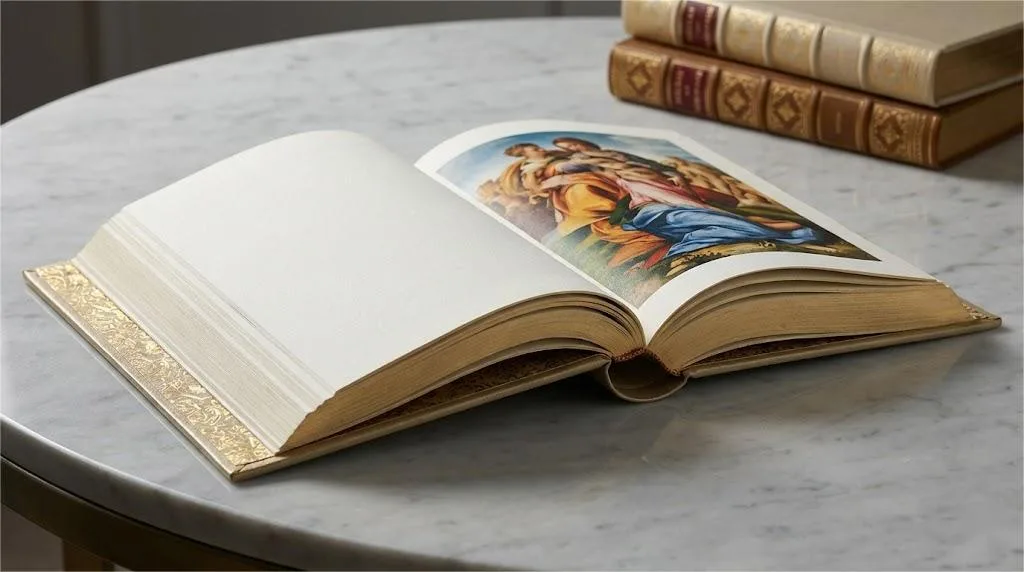
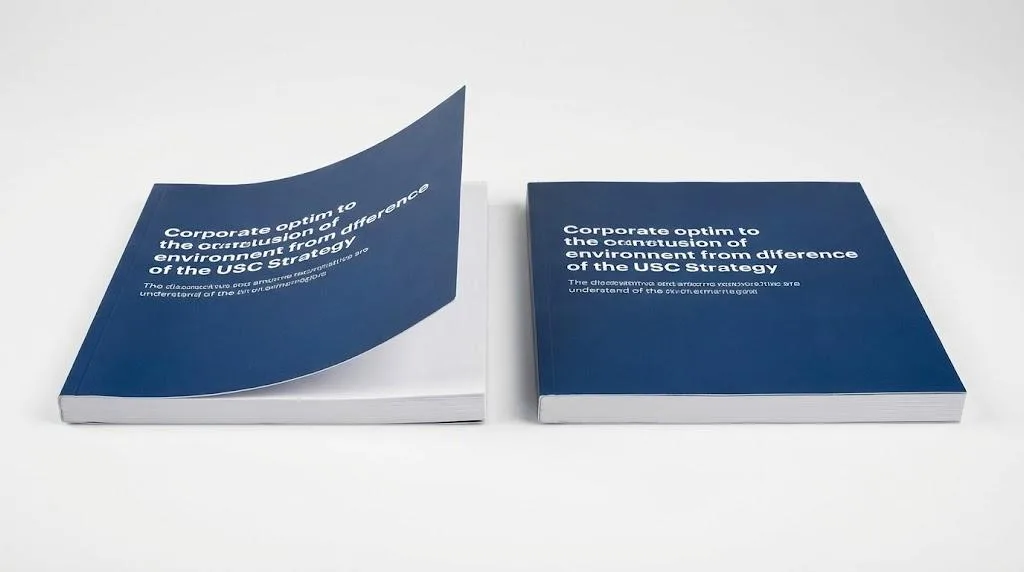
| Page Flatness | Pages “Spit” (Gape open) | 180° Dead Flat |
| Adhesive Bulk | Adds 0.08mm per glue layer | Zero Added Thickness |
| Amazon Return Rate | 2% – 5% (Avg.) | < 0.3% (Mainland Data) |
“The soul of any interactive book lies not in the artwork, but in the engineering of the fold. If the hinge fails, the story dies.” — Robert Sabuda, Renowned Paper Engineer.
The 0.1mm Engineering: Solving the “Tiger Face” Nightmare
Let’s talk about the elephant in the room—or rather, the tiger in the forest. We once worked with a New York publisher whose previous factory had ruined her flagship title. The illustrations featured a tiger leaping across a spread.
Because the factory used standard assembly, the tiger’s face was misaligned by 1.2mm. It looked like a glitch in a video game. This is why understanding the board book printing process from an engineering perspective is critical for brand protection.
The Insight: Pre-Press Visual Compensation
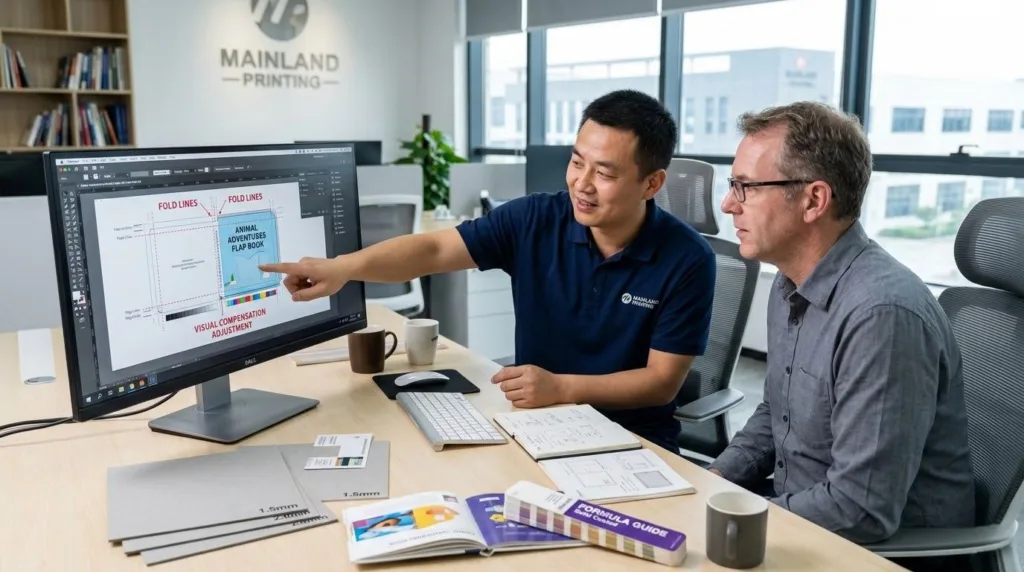
Traditional printers simply take your PDF and hit “Print.” At Mainland Printing, we treat your PDF as a blueprint that requires Visual Compensation.
When you fold a board that is 1.5mm to 2.0mm thick, the outer fibers of the paper stretch. If you don’t account for this Fold Creep, your artwork will always be off. We use a proprietary pre-press process where we:
- Analyze the specific rigidity of your 60pt board.
- Apply a negative offset of 0.3mm to 0.5mm at the fold.
- Utilize CNC-carved steel dies to ensure the physical cut matches the digital adjustment.
This is why our one-piece board book construction for interactive flap books looks seamless; we aren’t just printing, we are managing the physics of paper.
Ready to Perfect Your Flap Book Project?
Don’t let 1mm of misalignment ruin your brand. Our engineering experts specialize in one-piece construction to ensure your creative vision is executed with 0.1mm precision.
The War on “Bulge”: The Science of the Zero-Bulge Scoring Matrix
Have you ever noticed how some flap books won’t stay closed? They sit on the shelf like an accordion, gaping open at the mouth. This is called “Spit,” and it’s usually caused by poor scoring.
When you fold thick greyboard, the fibers at the hinge are compressed. If those fibers have nowhere to go, they push back, causing the book to gape.
The Solution: The “U-Shaped” Gully
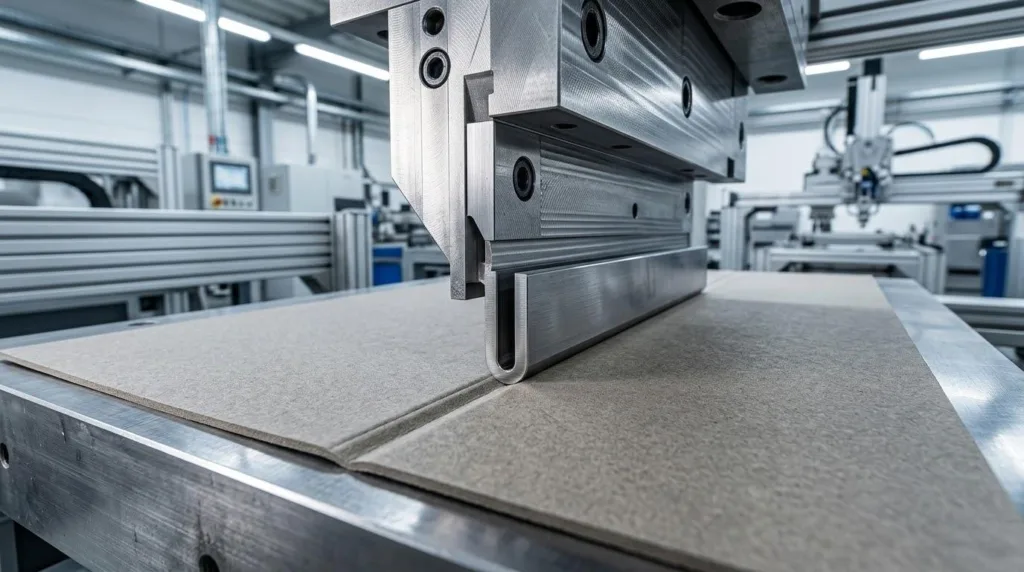
We don’t use standard creasing bars. Instead, we use a Customized Scoring Matrix that creates a tiny “relief zone” or gully at the hinge.
- The 180° Flatness Ratio: This gully allows the compressed fibers to “sit” into the fold rather than fighting against it.
- 0.2mm Precision: By matching the matrix width to the board density (≥ 0.75g/cm³), we keep the total thickness expansion—the “Bulge”—under 3%.
If your current printer can’t tell you the exact width-to-depth ratio of their scoring matrix for 40pt board, they aren’t engineering your book; they’re just guessing.
The Hidden ROI: Turning Logistics into a Profit Center
In the 2026 DDP (Delivered Duty Paid) landscape, shipping is your biggest variable cost. Every millimeter of thickness in your book is a “tax” on your shipping container. Understanding how to ship books from China efficiently starts with the physical thickness of the product itself.
The “Hidden Bulk” Tax
Because one-piece board book construction for interactive flap books eliminates the need for extra glue layers (each being 0.05mm to 0.08mm), we can often reduce the total spine thickness of a 10-page book by 1.2mm to 1.5mm.
The Math of Simple Savings
Instead of a complex formula, let’s look at it as “Trimming the Hidden Fat.” In traditional assembly, every glued flap adds a micro-layer of “bulk” to the spine. Across a 10-page book, those layers add up quickly.
By using one-piece board book construction, we eliminate that extra glue entirely. If we reduce your book’s spine by just 1.5mm through better engineering, the cumulative effect on your bottom line is massive:
- Increased Pallet Density: Thinner books mean more units per carton and more cartons per pallet.
- Container ROI: This precision allows a standard 40HQ container to hold 8% to 12% more inventory.
This directly slashes your per-unit DDP shipping cost, which is essential for protecting your profit margins on competitive retail titles.
Real Experience: Why “Cheap” Greyboard is a Brand Killer
I remember a client who insisted on using a lower-density greyboard to save $0.10 per book. Against our advice, they moved forward.
The Trap: Within three months of arriving in the dry climate of the US West Coast, the low-density board began to lose its moisture equilibrium. Because the board lacked structural “memory,” the flaps began to warp and lift. This is why strict quality control in book printing is non-negotiable for long-distance shipping.
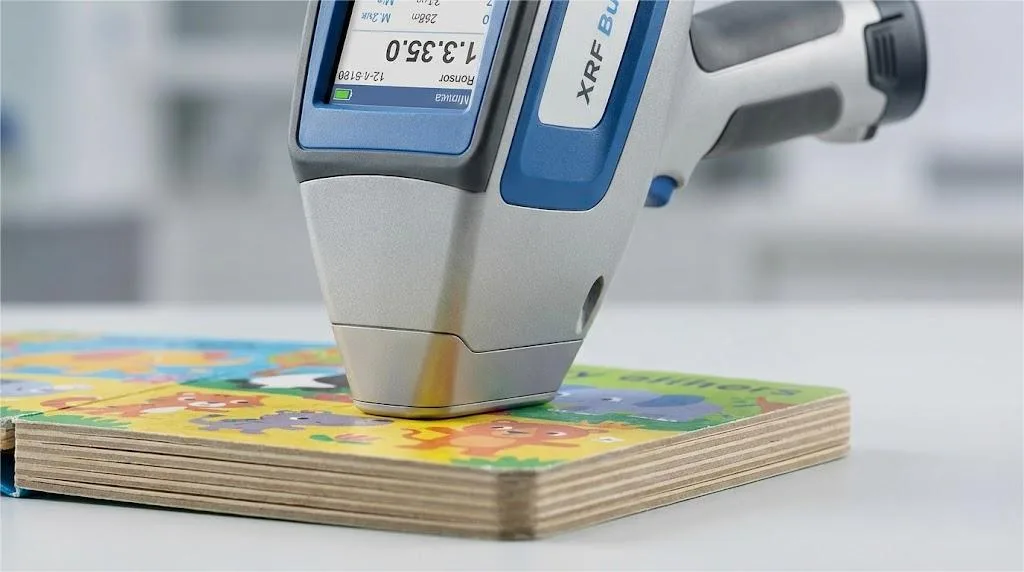
For high-end interactive books, you need a moisture content of 6% to 8%, achieved through a 48-hour dehumidification cycle before packing.
“In high-end novelty printing, the greatest risk is the ‘registration gap’ created by manual assembly. Automated, one-piece construction is the only way to eliminate the human error margin.” — Mark Gatter, Production Consultant.
The 2026 Publisher’s Production Checklist
If you are currently interviewing factories for your next interactive project, do not settle for “we can do it.” Ask these hard-hitting questions to verify their experience:
- Registration Accuracy: “Can you guarantee a visual alignment tolerance of ≤ 0.2mm across the fold?”
- Fiber Management: “How do you adjust the fiber direction (grain) of the board to ensure the hinge doesn’t crack after 5,000 uses?”
- Pre-Press Strategy: “Do you provide a Visual Compensation Report for thick-board folds, or do you print the PDF as-is?”
- Moisture Control: “What is your SOP for stabilizing paperboard moisture for the destination climate (e.g., California vs. UK)?”
- Safety & Compliance: “Can you provide CPSC-accepted lab results specifically for flap tension and pull-tests?”
Conclusion: Your Brand is Too Valuable for Guesswork
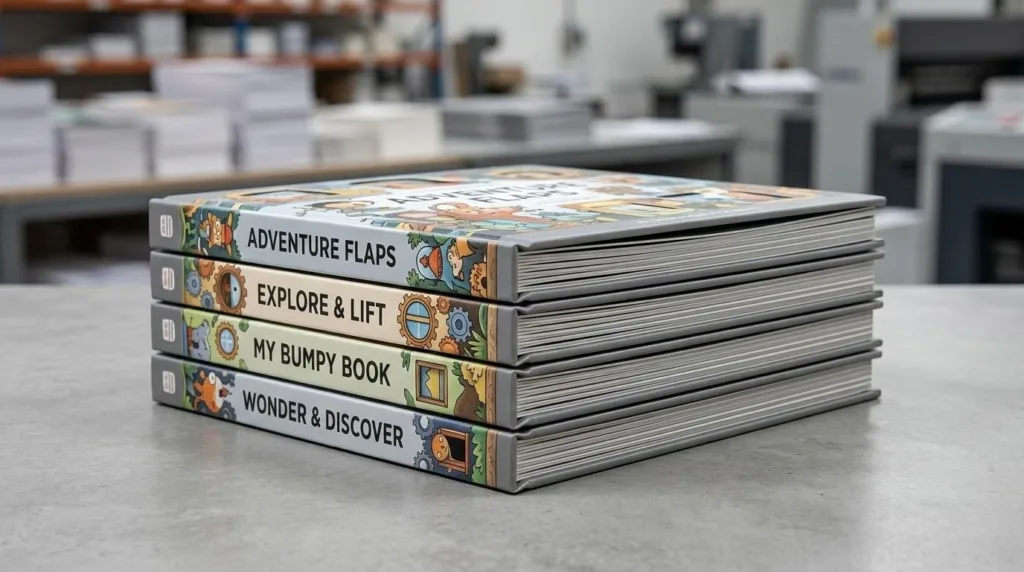
Interactive books are a “High-Value, High-Risk” category. When done right, they are the crown jewels of an educational brand. When done wrong, they are a logistical and reputational nightmare.
By choosing one-piece board book construction for interactive flap books, you are moving beyond simple “printing.” You are investing in a coordinated system of visual engineering, structural physics, and logistics optimization.
At Mainland Printing, we have spent nearly a decade perfecting the 0.1mm standard. We don’t just want to be your vendor; we want to be the engineering partner that ensures your next Kickstarter or retail launch is “Dead Flat” and “Perfectly Aligned.”
Ready to see the 0.1mm difference for yourself? I’d be happy to send you a physical sample kit comparing manual vs. integrated construction, or we can jump on a 15-minute call to audit your current dielines. Your illustrations deserve a home that doesn’t split them in half.