Ready to bring your book to life without the hefty price tag of domestic printing? The solution often lies in printing your book in China, which offers a cost-effective solution with high-quality results, but navigating the process and understanding the timelines can feel daunting.
Printing a book in China typically takes 8-10 weeks. This includes:
- 4-5 weeks for printing and binding (for standard books)
- 4-5 weeks for shipping (depending on your location and shipping method)
Factors that can affect the timeline include book specifications (size, page count, color), printing quantity, paper type, binding style, and any additional services you require (proofreading, design, etc.).
Printing in China can be faster and more affordable than you think! We break down the entire process, from finding the right printer to managing costs and timelines, so you can confidently bring your book to life.
Key takeaways:
- Understand the factors that influence printing time in China.
- Learn how to estimate a realistic timeline for your book project.
- Discover cost-saving strategies and find the right printing partner.
- Get expert insights and step-by-step guidance for navigating the process.
Factors Affecting Printing Time in China

Table 1: Printing Timeline Overview
| Sub-Heading | Details |
|---|---|
| Total Printing Time | 8-10 weeks |
| Printing and Binding | 4-5 weeks |
| Shipping | 4-5 weeks |
| Factors Affecting Time | Book specs, quantity, paper type, binding, additional services |
Several factors influence the time it takes to print your book in China. Understanding these can help you plan and manage your expectations effectively.
Book Specifications
The specifications of your book play a significant role in determining the printing time.
- Trim size: Larger books naturally take longer to print.
- Page count: A 500-page tome will take longer than a 100-page novella.
- Hardcover vs. paperback: Hardcover books involve more complex binding processes, adding to the production time.
- Color vs. black and white: Full-color printing requires more intricate setups and drying times compared to black and white.
For example, a 500-page hardcover art book with full-color printing will naturally have a longer production time than a 200-page black and white paperback novel.
Printing Quantity
While you might think larger print runs would take significantly longer, economies of scale come into play. Printing 1,000 books may take a certain number of days on the press, while 5,000 books could take only slightly longer due to efficient press setup and production processes.
Paper Type and Availability

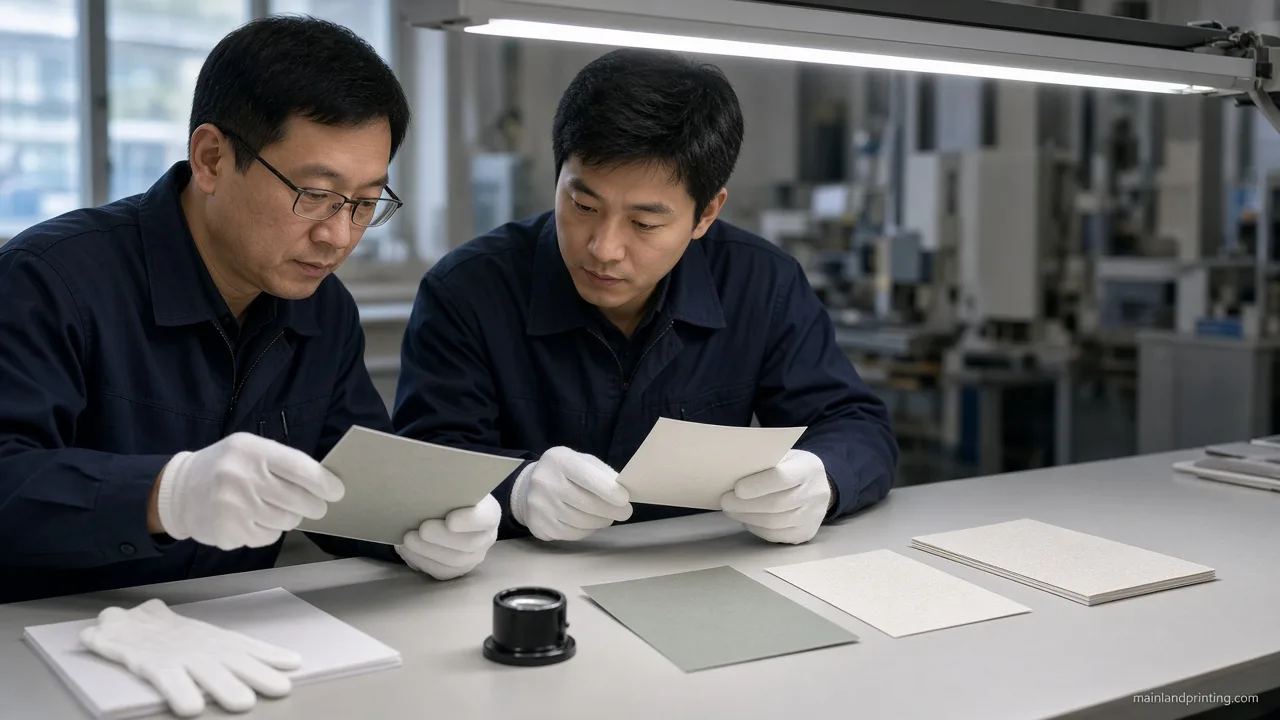
The type of paper you choose can also affect the timeline. Standard paper is readily available, while specialty paper (like textured or recycled options) might need to be sourced or imported, which can add time.
Printing and Binding Methods

Different printing and binding methods have varying time implications. Offset printing is generally faster for larger quantities, while digital printing is more efficient for smaller runs. Similarly, different binding styles like perfect bound, saddle stitch, or case binding have different production times.
And when it comes to the quality of the final product, Richard Nash, a respected figure in the publishing industry, notes that ‘The quality of book printing in China is often higher than in the US or Europe. Chinese printers have invested heavily in state-of-the-art equipment, and their attention to detail is remarkable.’ So, you can expect top-notch results when printing in China.”
You can learn more about the different types of binding in our detailed guide: 10 Types of Book Binding You Should Know About (With Examples).
Shipping and Logistics

Shipping your books from China involves several steps, including:
- Freight: Sea freight is more cost-effective but takes longer (4-5 weeks to the US), while air freight is faster but more expensive.
- Customs clearance: This can add a few days to the timeline.
- Potential delays: Unforeseen circumstances like port congestion or weather can cause delays.
Additional Services
If you require additional services like proofreading, design, or ISBN registration, these will add to the overall timeline. It’s essential to factor in these extra steps when planning your project.
For insights into the importance of professional book editing and its role in the publishing process, check out this helpful article
Estimating Printing Time: A Realistic Timeline
To give you a clearer picture, let’s break down the typical printing process in China and provide estimated timelines for each stage:
-
Pre-press (file preparation, proofing): This stage involves preparing your files for printing and reviewing proofs. If you need to go through multiple rounds of revisions, it can take around 4 weeks.
-
Printing and binding: For standard books with common specifications, the actual printing and binding process usually takes about 4-5 weeks.
-
Shipping: The shipping time depends on your location and the chosen shipping method. As mentioned earlier, sea freight from China to the US typically takes 4-5 weeks.
You can find a detailed breakdown of freight options and customs clearance in our ultimate guide to shipping books from China.
Tips for Managing Time Expectations
- Plan ahead: Starting the process early allows ample time for each stage and accommodates potential delays.
- Communicate clearly: Establish clear deadlines and expectations with your printer from the outset.
- Streamline the process: Use project management tools or checklists to stay organized and track progress.
- Be proactive: Follow up regularly with your printer and address any issues promptly.
Ready to Get a Transparent Quote?
Don’t let timelines and costs be a guessing game. Our team provides clear, detailed quotes to get your project started right.
Buyer Takeaway: plan milestones, not one promised duration
A book schedule depends on the specification, file readiness, proof decisions, material availability, production queue, packing plan and freight handovers. A useful quote separates those milestones so a change can be traced to the stage it affects.
Milestone planning checklist
| Milestone | Decision that keeps the schedule usable |
|---|---|
| Specification and files | Lock trim, page count, binding, paper, cover treatment and a print-ready file version. |
| Proof and approval | Name the approver, review method and what happens if changes are requested. |
| Production and packing | Confirm the production slot, inspection point, carton/pallet requirements and pack counts. |
| Freight handover | Separate printer completion from carrier collection, customs and final delivery assumptions. |
Questions to ask before committing to a date
- Which date refers to proof availability, factory completion, freight collection or delivery?
- Which materials or finishing steps still need confirmation?
- What change-control step applies after proof approval?
- Who reports a schedule change and how will the next milestone be re-confirmed?
Put these decisions into the book production specification brief before comparing schedule proposals.
Now that you’ve found a printing partner, let’s walk through the printing process step-by-step:
1. File Preparation
Proper file preparation is essential for a smooth printing process. Here’s what you need to know:
- File formats: Most printers prefer PDF files for printing. Ensure your files are in the correct format and meet the printer’s specifications.
- Image resolution: Use high-resolution images (300 dpi or higher) for sharp and clear printing.
- Bleed: Include bleed in your design (extending the artwork slightly beyond the trim edge) to avoid white margins after trimming. You can learn more about bleed in our article: What Is Bleed in Printing and Why Does It Matter?
- Color mode: Use CMYK color mode for accurate color reproduction.
- Fonts: Embed all fonts in your PDF file or convert them to outlines to avoid font issues during printing.
2. Requesting Quotes and Comparing Printers
When requesting quotes from printers, be sure to provide detailed specifications about your book, including:
- Trim size
- Page count
- Binding style
- Paper type
- Printing quantity
Compare quotes from different printers, paying attention to:
- Pricing
- Production time
- Shipping costs
- Minimum order quantity
- Customer service
3. Communication and Project Management
Effective communication is key throughout the printing process. Here are some tips:
- Set clear expectations: Discuss your project requirements, deadlines, and budget with your printer upfront.
- Use online collaboration tools: Platforms like Google Drive or Dropbox can facilitate file sharing and communication.
- Address language barriers: If needed, use translation tools or work with a printing agent who can assist with communication.
4. Production and Quality Control
Once your files are approved, the printer will start production. Here’s what to expect:
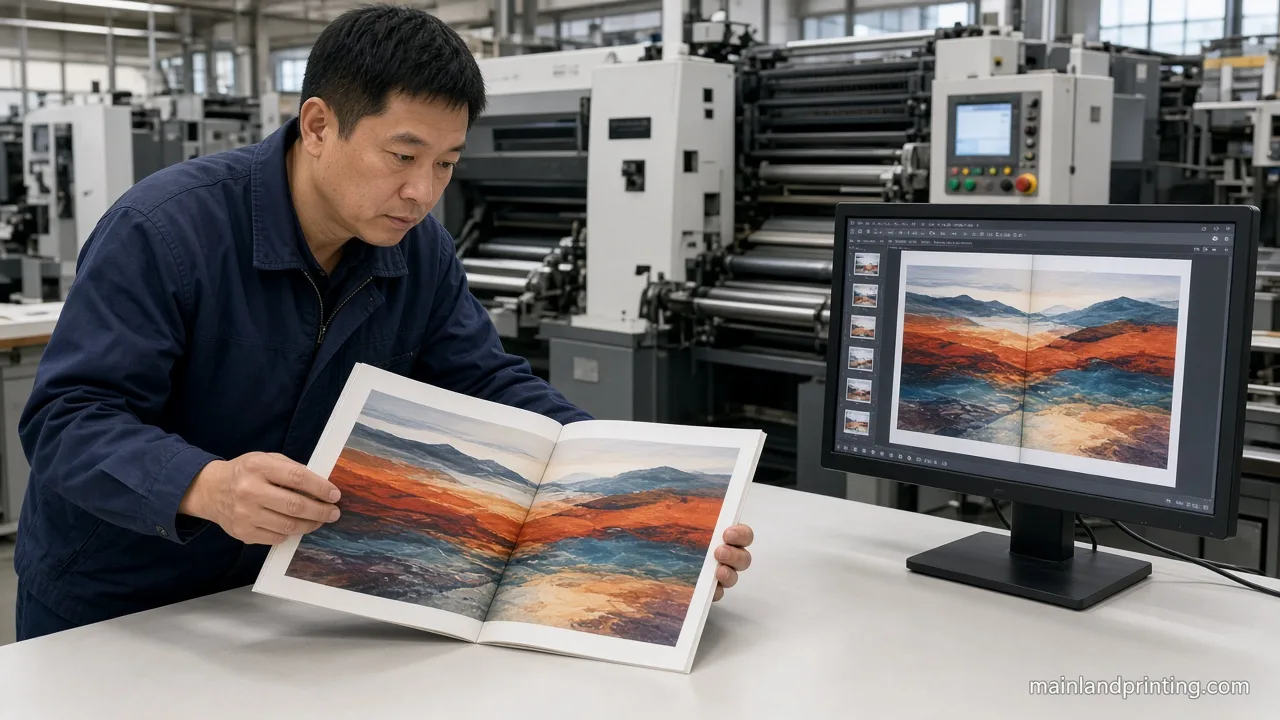
- Proofing: The printer will typically provide digital proofs or hard copy proofs for your final approval before printing the full quantity.
- Printing: The books will be printed using the chosen printing technology (offset or digital).
- Binding: The printed pages will be bound according to your chosen binding style.
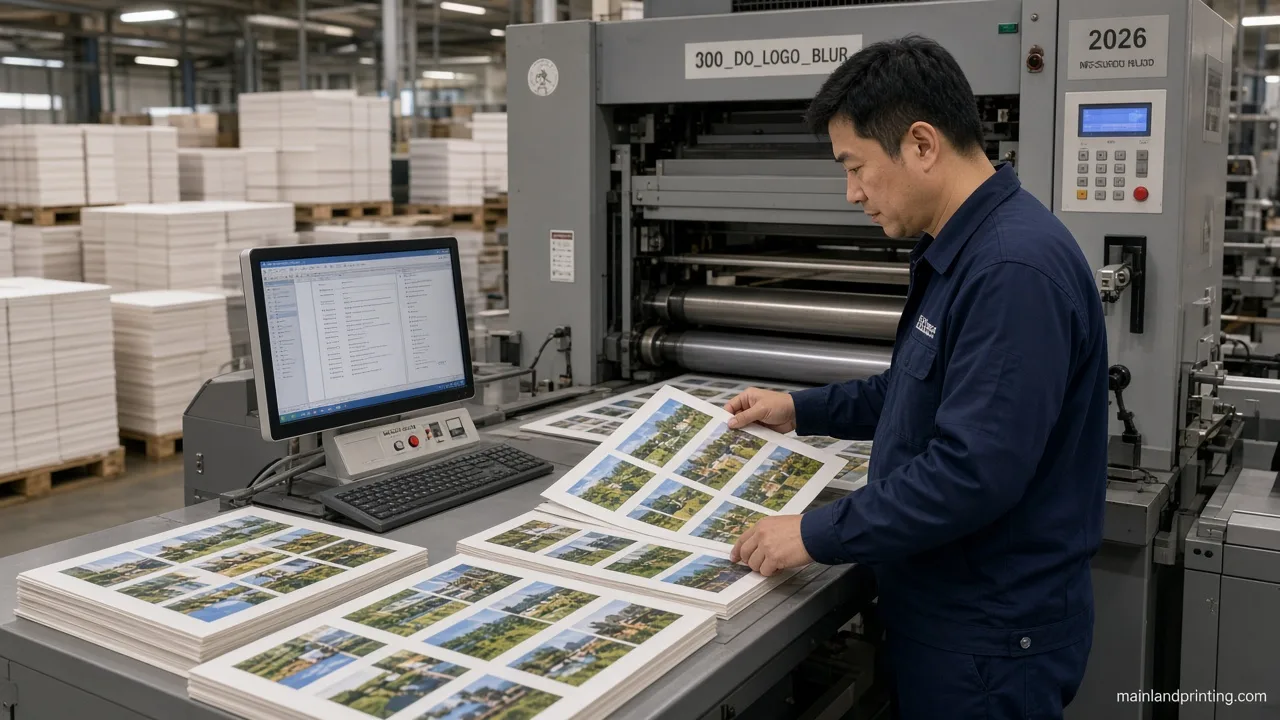
- Quality control: The printer will conduct quality checks throughout the production process to ensure your books meet the required standards. You can learn more about quality control in book printing in our comprehensive guide: Quality Control in Book Printing: A Comprehensive Guide.
5. Shipping and Delivery
Once the books are printed and bound, they will be shipped to your designated location. Here’s what you need to know:
- Freight forwarders: You may need to work with a freight forwarder to handle shipping logistics and customs clearance.
- Import/export regulations: Be aware of any import/export regulations that may apply to your shipment.
- Tracking: Obtain a tracking number to monitor your shipment’s progress.
For a helpful overview of international shipping and freight forwarding, visit agi.global.
Case Studies
Case Study 1: The Fantasy Author Who Found Success Overseas
Take the example of Sarah Miller, a self-published fantasy author who was struggling to keep printing costs down for her debut novel, ‘The Shadow of Skyreach.’ Quotes from local printers were eating into her potential profits, making it difficult to invest in marketing and promotion.
Then, she discovered the option of printing in China. By partnering with a reputable Chinese printing company, Sarah was able to reduce her printing costs by 40% while still achieving the high-quality printing she desired. This allowed her to allocate more of her budget to marketing efforts, such as targeted Facebook ads and book blogger outreach.
The result? ‘The Shadow of Skyreach’ became a bestseller, exceeding Sarah’s initial sales goals and launching her successful career as an independent author.
Case Study 2: The Photographer’s Stunning Coffee Table Book
Another compelling example is the experience of landscape photographer, David Chen. He had always dreamed of publishing a stunning coffee table book showcasing his breathtaking panoramic photographs of the American Southwest. However, the cost of printing a large-format, hardcover book with high-quality paper and unique layflat binding in the US was astronomical.
Determined to bring his vision to life, David explored printing options in China. He found a printing company specializing in art books and was impressed by their expertise and attention to detail. The final product was a masterpiece—a beautifully printed and bound book that captured the grandeur of David’s photographs.
Printing in China not only made his dream a reality but also allowed him to offer the book at a more accessible price point, increasing its reach and impact.
Conclusion
Printing your book in China can be a strategic move, offering significant cost savings and access to high-quality printing capabilities. However, it requires careful planning, communication, and the selection of a reliable printing partner.
By understanding the factors that influence printing time, managing your expectations, and following the step-by-step guide outlined in this article, you can navigate the process with confidence. Remember to:
- Start early and plan ahead.
- Communicate clearly with your printer.
- Choose a reputable printing partner.
- Optimize your book design for cost-efficiency.
- Conduct thorough quality checks.
If you’re ready to explore printing your book in China, we encourage you to request quotes from different printers, compare their offerings, and embark on your printing journey.
Resources and Further Reading
To further assist you in your book printing journey, we’ve compiled a list of helpful resources:
Timelines across China book printing services vary more with proofing rounds than with press speed, so lock the schedule before any deposit.
- Glossary of Printing Terms
- Paper Selection Guide
- Shipping Calculator
- How Much Does It Cost to Print a Book in 2025?
- Hardcover vs Softcover Books: Which Should YOU Choose?
- Offset vs Digital Printing: Which Is Right for YOU?