Self-publishing gives authors more control over the book and its publishing path, but it also makes the author responsible for choices that a traditional publisher may otherwise coordinate. The best route depends on the trade-offs you are prepared to make—not on a universal promise about royalties, platforms or speed.
Buyer Takeaway: choose the responsibilities you want to own
Before deciding, write down your priorities for creative control, cash investment, timing, distribution reach, marketing responsibility and the help you need. This turns a broad “self-publishing vs. traditional” question into a practical publishing plan.
Self-publishing vs. traditional publishing
| Decision area | Autoedición | La edición tradicional | Question to ask yourself |
|---|---|---|---|
| Creative control | Author usually directs more decisions. | Publisher may lead or share key decisions. | How much control do you need over content, design and timing? |
| Cash investment | The author may fund professional services and production choices. | The commercial arrangement varies by publisher and contract. | What can you fund before revenue is certain? |
| Timeline | The author can set the working schedule, subject to suppliers and platforms. | The publisher’s programme may set the schedule. | What launch window is realistic for the work still required? |
| Distribution and marketing | Author coordinates chosen channels and promotion. | Publisher support varies by agreement and list priority. | Who will create demand and manage reader outreach? |
| Rights and administration | Author manages the relevant rights and publishing tasks. | Terms depend on the publishing contract. | Which responsibilities do you want advice on before agreeing? |
Plan the print decision separately from the publishing choice
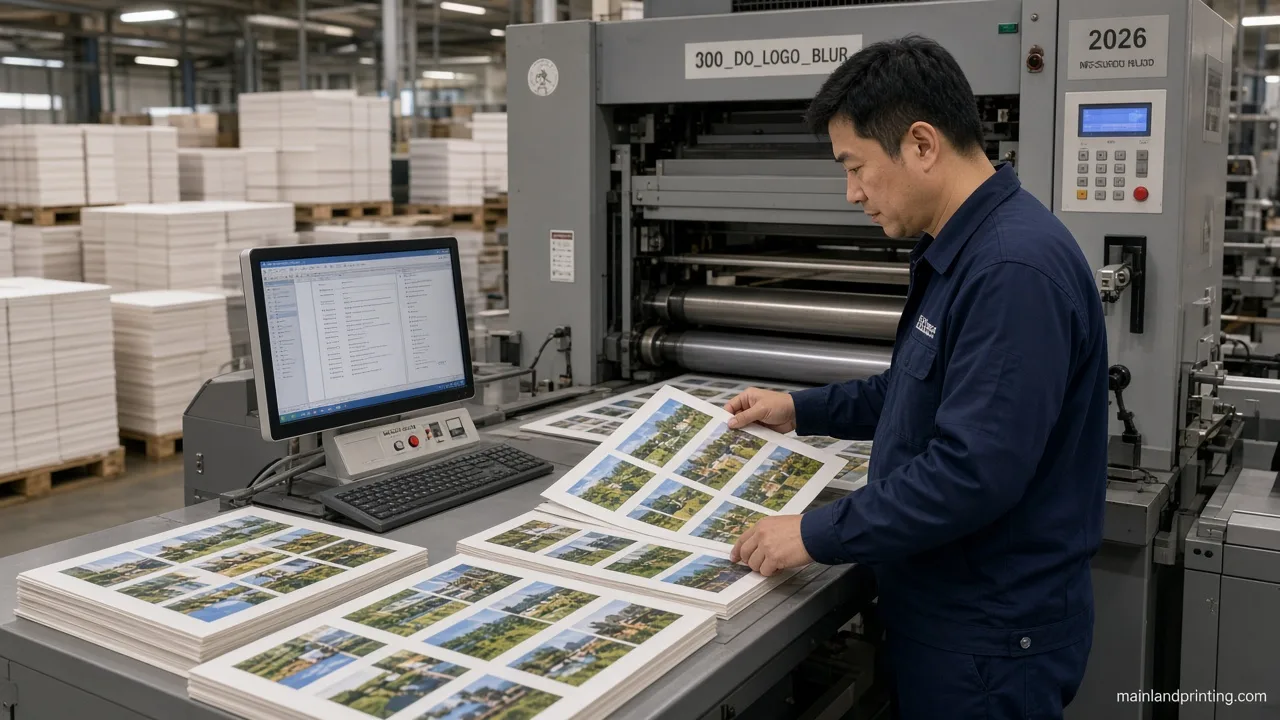
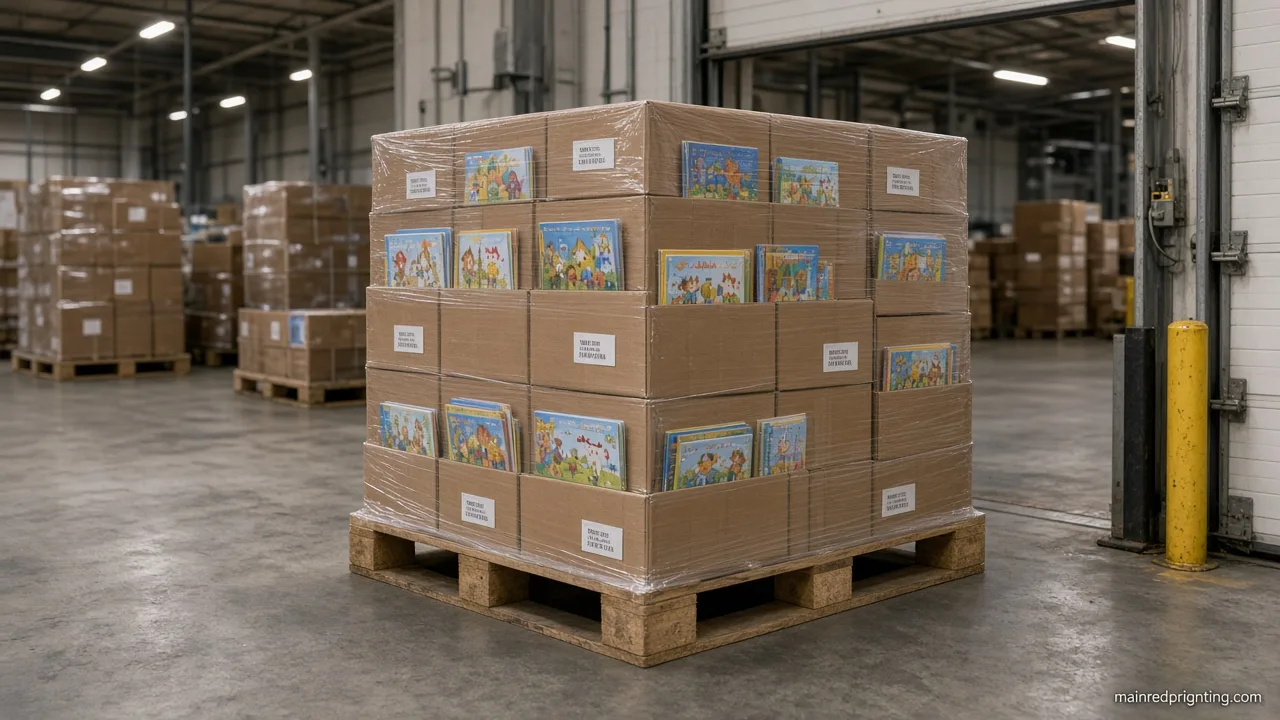
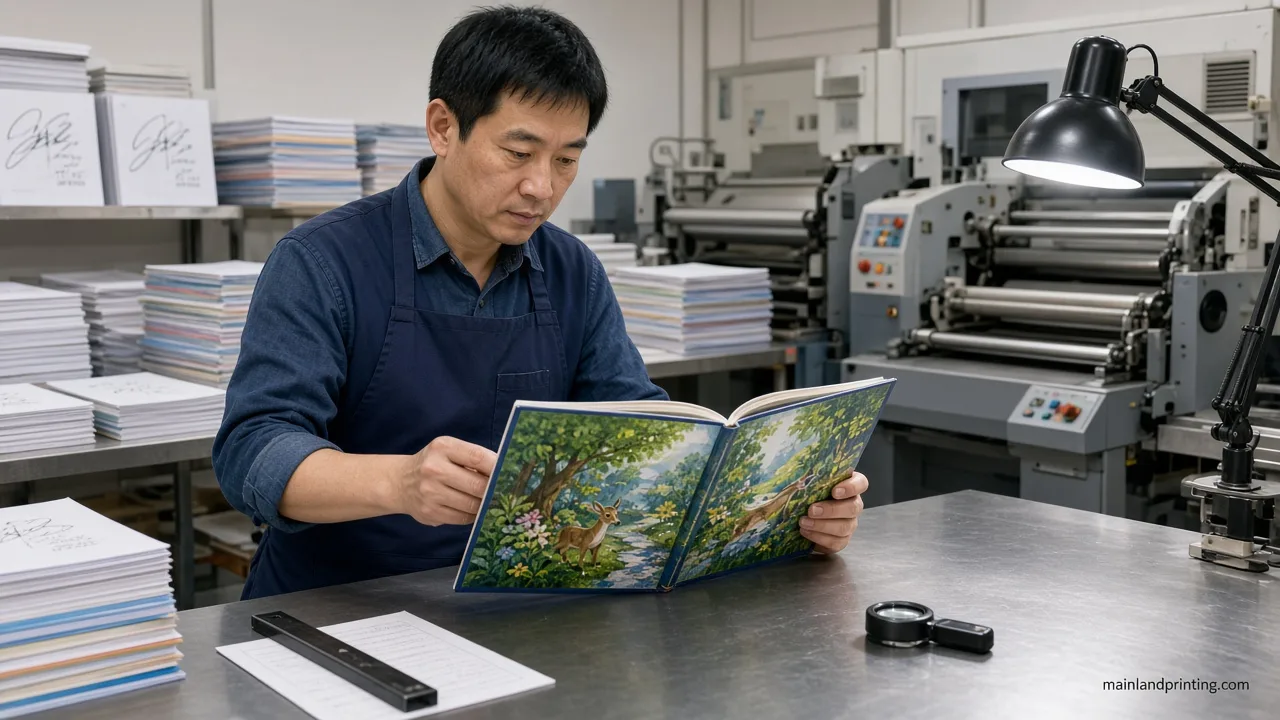
Print choices deserve their own brief. A short trial run may help when the design, reader response or fulfilment plan is still being tested. A larger production run may suit a defined launch, established demand or a distribution plan that can use the inventory. Neither choice is automatic: compare cash exposure, storage, delivery and the quality of the physical book.
When you are ready to compare formats, use the China book printing cost decision guide and prepare specifications through the book printing service quotation process.
A practical decision sequence
- Define the reader, format and standard of quality you want to deliver.
- List the work you can manage yourself and the work that needs a professional service provider.
- Set a budget range and a launch window with room for review and revision.
- Choose distribution and marketing responsibilities before treating a platform as the answer.
- For print, request comparable quotes using one consistent specification and sample path.
Keep current platform rules out of generic advice
Platform terms, royalty rates and programme rules can change. Check the current official terms for any platform you are considering, and obtain professional advice where contracts, rights or tax obligations require it.
Preguntas frecuentes para compradores
Is self-publishing better than traditional publishing?
Neither route is universally better. The suitable route depends on the author's goals, resources, desired control, timeline, distribution plan and willingness to manage production and marketing work.
What costs should a self-publishing author plan for?
Authors commonly plan for editing, design, formatting, production, distribution and marketing. The amount and timing depend on the chosen book format and publishing plan.
When should an author request a print quote?
Request a quote once the trim size, page count, colour requirements, binding, cover finish, quantity, sample needs and delivery destination are clear enough for a supplier to state assumptions.