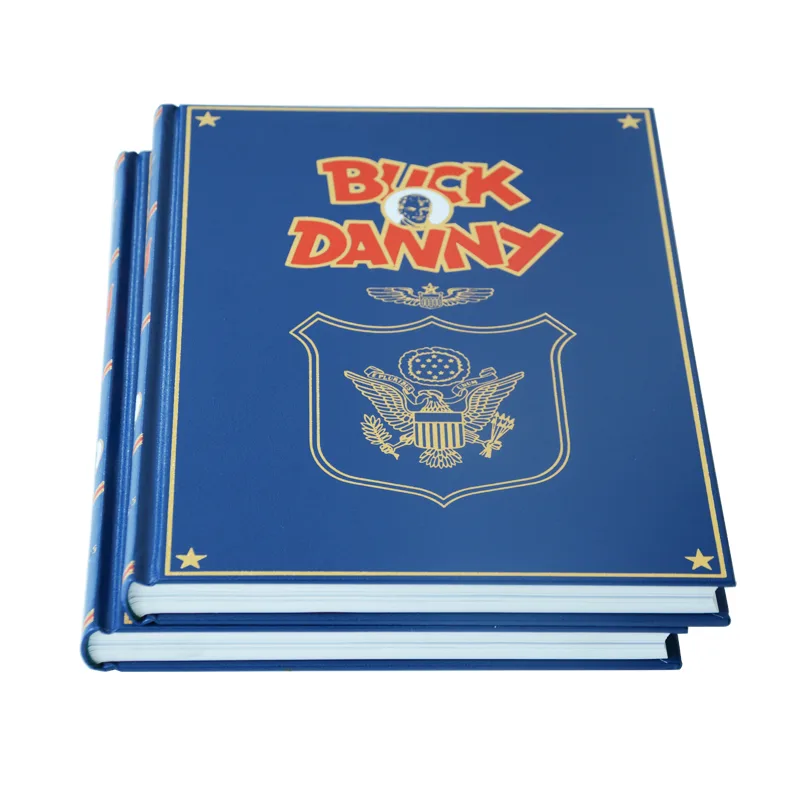
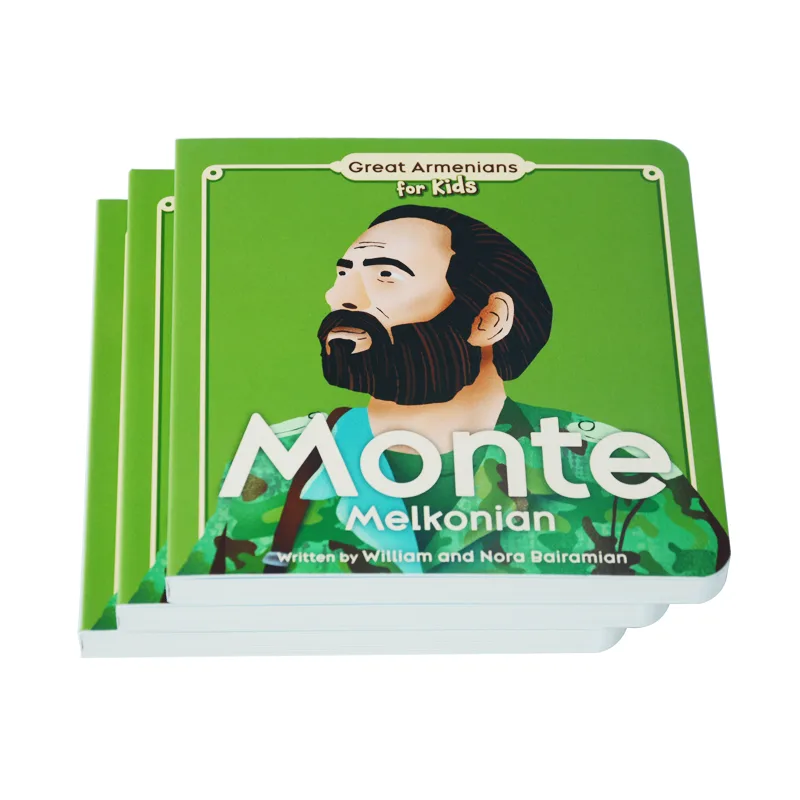
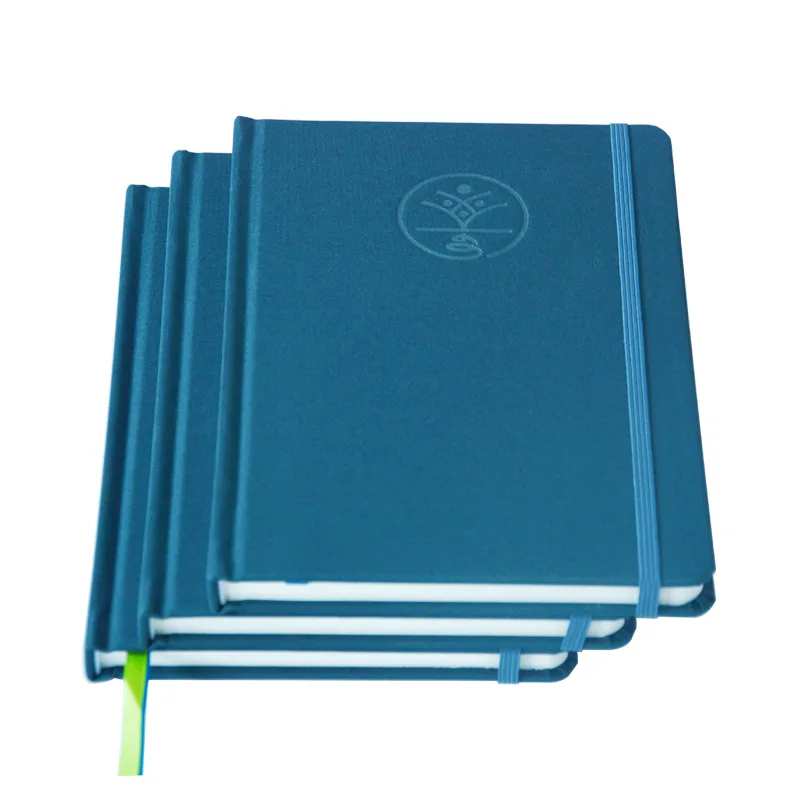
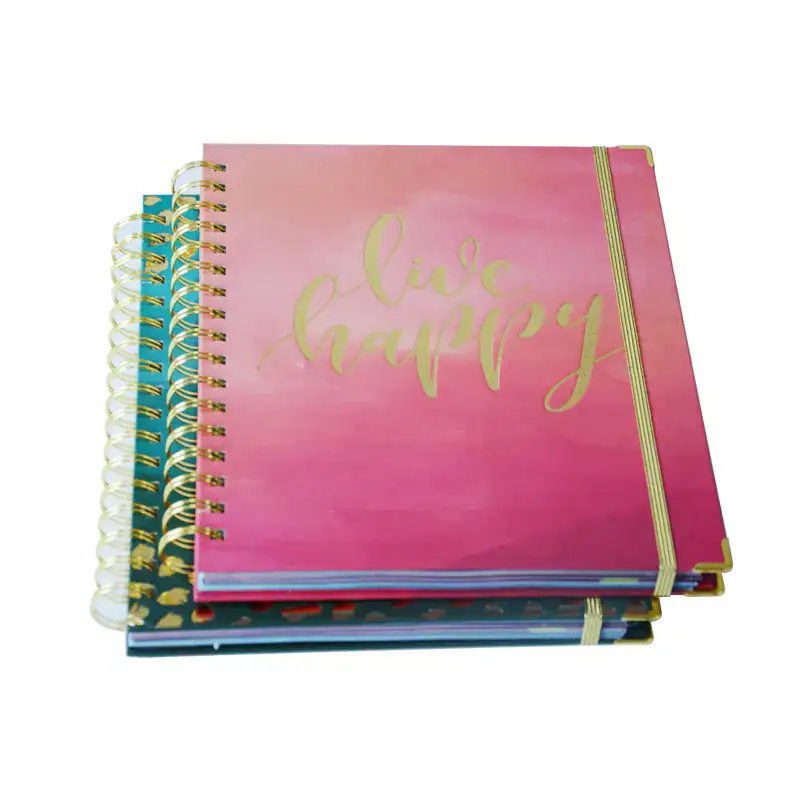
Sie haben bereits zwei Angebote für gebundene Ausgaben desselben Titels, doch die Stückpreise stimmen immer noch nicht überein. Das eine Angebot erscheint günstig, bis man feststellt, dass die Leseprobe, die Oberflächenveredelung des Einbands oder die Frachtkosten nicht berücksichtigt wurden. Das andere Angebot erscheint teuer, bis man erkennt, dass es sich auf die komplette gebundene Auflage bezieht, die Sie diese Woche tatsächlich benötigen.
Die Druckkosten für Hardcover-Bücher hängen weniger von einem einzigen “Preis pro Buch” ab, sondern vielmehr davon, welche Angebotspositionen vollständig sind, welche fünf Spezifikationen das Budget beeinflussen und ob 500, 1.000 oder 2.000 Exemplare zu Ihrer Liquidität, Ihrem Vertriebskanal und Ihrem Nachdruckrisiko passen.
Nutzen Sie die Checkliste „Bevorzugen/Vermeiden“, die fünf Faktoren, die das Budget beeinflussen, sowie die untenstehende Mengenleiter „Behalten/Wechseln“. Legen Sie anschließend eine Genehmigungsliste mit den Status „Bereit/Zurückstellen“ fest, bevor Sie die Bestellung unterzeichnen.
Was ein nützliches Zitat aus einem gebundenen Buch enthält
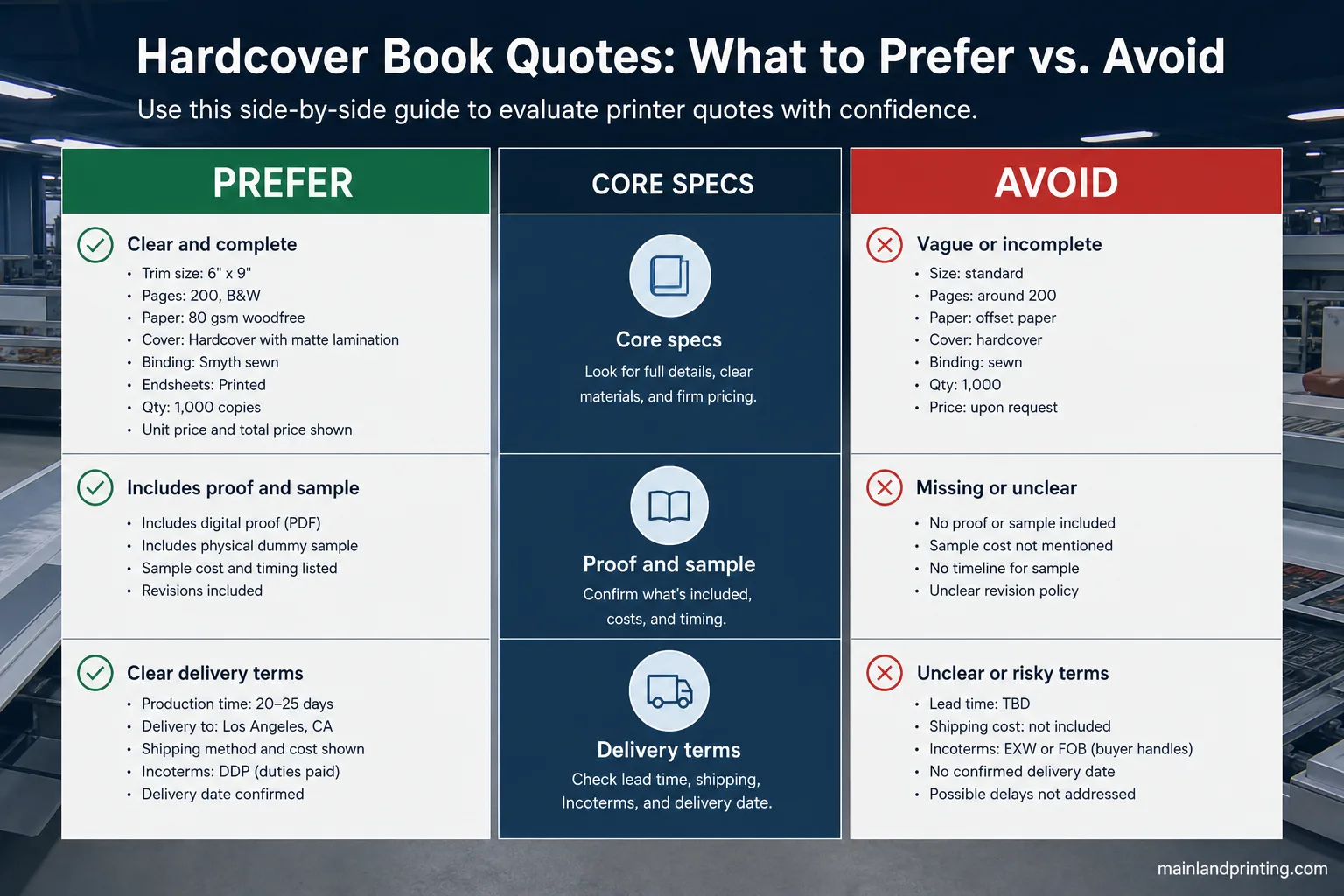
Wenn zwei Lieferanten lediglich einen Stückpreis angeben, vergleichen Sie nicht denselben Auftrag. Ein aussagekräftiges Angebot für ein Hardcover-Buch enthält in ein und demselben Dokument Angaben zu Format, Seitenzahl, Textpapier, Einbandausführung, Bindungsart, Korrekturabzugstyp, Mengenstufen und Lieferbedingungen.
Nachdem Sie die Bindungsmethode im Angebot aufgeführt haben, verwenden Sie die Leitfaden: Smyth gegen PUR Bevorzugen Sie Smyth oder PUR, bevor Sie Muster freigeben.
Wenn Sie eine Angebot für Buchdruck, betrachten Sie fehlende Zeilen als Risiko und nicht als Preisnachlass. Eine geringere Anzahl deutet oft darauf hin, dass kostspielige Entscheidungen bis nach der Anzahlung aufgeschoben wurden.
| Zitatzeile | Bevorzugen | Vermeiden Sie |
|---|---|---|
| Wichtige technische Daten | Format, Seitenzahl, Papiergewicht (g/m²), Einbandart, Bindung und Mengenstufen auf einem Blatt vermerkt. | “Gebundene Ausgabe, Standardpapier, bester Preis” ohne messbare Angaben. |
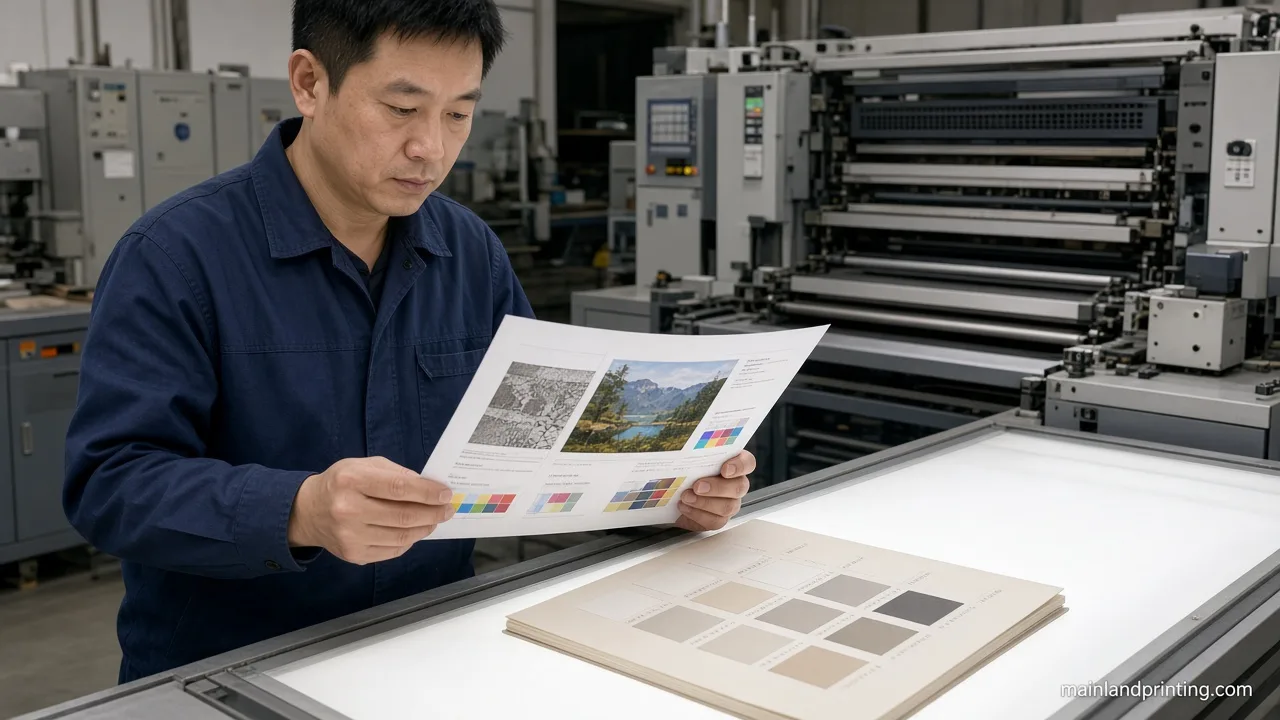
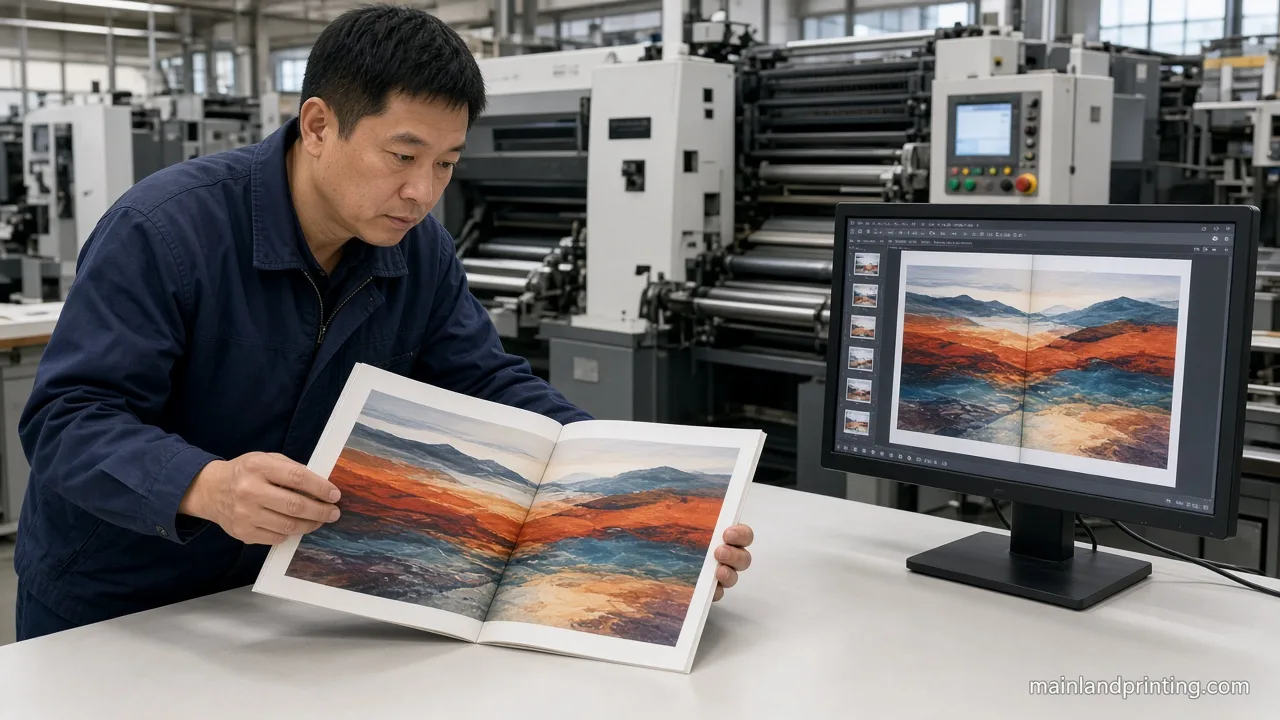
| Korrekturabzug und Muster | Digitaler Korrekturabzug sowie physisches Muster oder Gehäuse-Dummy, mit Angabe der Überarbeitungsrunden. | Genehmigung ausschließlich als PDF für Einbände aus Folie, Leinen, dickem Karton oder mit starkem Farbauftrag. |
| Ausführung und Extras | Folienprägung, Prägung, Spot-UV-Lackierung, Schutzumschlag, Kapitalbänder und Lesebändchen werden als separate Positionen berechnet. | Ein pauschaler Stückpreis, hinter dem alle Spezialprozesse verborgen bleiben. |
| Lieferbedingungen | Ab Werk vs. DDP, Kartonkostenvoranschlag und Frachtannahme vor Anzahlung. | Nur Stückpreis, Versandkosten “werden später mitgeteilt”.” |
Das Wichtigste für Käufer
Genehmigen Sie den Stückpreis für ein Hardcover-Buch erst dann, wenn das Angebot auf einem einzigen Blatt die Schnittmaße, die Seitenzahl, das Papiergewicht in g/m², die Umschlagvariante, den Korrekturablauf, die Mengenstufen und die Lieferbedingungen enthält. Unvollständige Angaben stellen ein Risiko dar und sind kein Rabatt.
Ein Kickstarter-Team hat kürzlich ein Angebot für $6.80 mit einem Angebot für $8.40 für dieselbe 6×9-Verpackung bei einer Auflage von 1.000 Exemplaren verglichen. Im günstigeren Angebot fehlten das physische Muster und die Schätzung der Seefrachtkosten. Nachdem diese Posten hinzugefügt worden waren, verringerte sich der Preisunterschied, und der Anbieter mit den eindeutig niedrigeren Gesamtkosten gewann.
Fügen Sie dieselben „Bevorzugen/Vermeiden“-Regeln in Ihre Vorlage für die Antwort auf Angebotsanfragen ein. Bitten Sie jeden Bieter, die fehlenden Zeilen auszufüllen, anstatt im Chat nur einen einzelnen Einheitspreis zu verteidigen. Vergleichbare Angebote beginnen mit vergleichbaren Unterlagen, nicht mit lautstarken Rabattforderungen.
Benötigen Sie eine Kostenspanne für ein Hardcover-Buch, die auf tatsächlichen Spezifikationen basiert?
Geben Sie das Schnittformat, die Seitenzahl, das Papier, die Einbandart, die gewünschte Auflage und den Bestimmungsort an. Mainland Printing kann Ihnen eine Auswahl an vergleichbaren Hardcover-Varianten anzeigen, bevor Sie sich für 500, 1.000 oder 2.000 Exemplare entscheiden.
Erhalten Sie eine Preisspanne für Hardcover-Ausgaben mit Ihren Spezifikationen
Warum die Menge die Stückkosten beeinflusst
Bei der Herstellung von Hardcover-Büchern fallen feste Arbeitsschritte an, deren Aufwand sich nicht verringert, wenn man weniger Exemplare bestellt: Platten- oder Einrichtungszeit, Kartonherstellung, Einrichten der Bindung und Planung der Qualitätskontrolle. Deshalb senkt eine Steigerung der Auflage von 500 auf 1.000 Exemplare die Stückkosten oft stärker als eine weitere Verhandlungsrunde über dasselbe unvollständige Angebot.
When hardcover drivers are clear, open the art book quantity tiers to lock the same specs across three art-book print runs before you compare quotes.
Verstehen Sie eine POD-Formel nicht als verbindliches Angebot des Herstellers. Die Rechner auf dem Marktplatz berechnen den Preis für ein anderes Produktionsmodell.Bei kundenspezifischen Einbandarbeiten sollten Sie die Mengenstufen für einen bestimmten Spezifikationssatz vergleichen und diese Angaben dann neben einen umfassenderen Buchdruckkosten Die Übersicht dient lediglich als Hintergrundinformation und ersetzt nicht die einzelnen Posten in der Hardcover-Aufstellung.
- Einrichtungslast: Das Einbinden, das Einlegen in Schutzhüllen und die Qualitätssicherungsplanung erfolgen für die gesamte Auflage gemeinsam.
- Materialbeschaffung: Karton, Stoff und Spezialfolie sind bei größeren Mengen oft günstiger.
- Verlusttoleranz: Bei kleinen Auflagen ist der Ausschussanteil pro verkaufsfähigem Buch höher.
- Karton und Fracht: Eine größere Menge kann zwar die Frachtkosten pro Einheit senken, erhöht jedoch das Liquiditäts- und Lagerrisiko.
- Strafe bei Nachdruck: Eine zweite Kleinauflage kann die “Einsparungen” zunichte machen, die durch eine zu geringe Erstbestellung erzielt wurden.
Wenn Ihr Vertriebskanal den Lagerbestand innerhalb eines geplanten Zeitraums verkaufen kann, ist die günstigere Stückzahl von 1.000 oder 2.000 aus projektwirtschaftlicher Sicht möglicherweise die sicherere Wahl. Bei knappen finanziellen Mitteln oder begrenzten Lagerkapazitäten kann eine höhere Stückzahl von 500 unter Berücksichtigung des Gesamtrisikos dennoch die richtige Entscheidung sein.
Fragen Sie vor den Verhandlungen nach Preisen für Mengen von 500, 1.000 und 2.000 Stück bei einer festgelegten Spezifikation. Wenn ein Hersteller nur einen Preis für eine bestimmte Menge nennt, können Sie nicht erkennen, wo die eigentliche Preisstufe liegt, und laufen Gefahr, die falsche Entscheidung zu treffen.
Die fünf Faktoren, die Ihr Budget am stärksten beeinflussen
Die meisten Budgets für Hardcover-Ausgaben verschieben sich aus denselben fünf Gründen. Ordnen Sie diese nach Priorität, bevor Sie über einen Preisunterschied von 50 Cent pro Exemplar diskutieren. Eine Änderung der Seitenzahl oder der Oberflächenveredelung des Einbands bewirkt in der Regel eine schnellere Budgetumschichtung als eine weitere E-Mail, in der um einen “besseren Preis” gebeten wird.”
| Spezifikation | Wie sich die Kosten entwickeln | Deutliches Signal | Uhrensignal |
|---|---|---|---|
| Beschnittgröße | Größere Formate erhöhen den Bogenverbrauch, die Kartonfläche und das Kartonvolumen. | Standardformat 5,5 × 8,5 oder 6 × 9 mit bestätigter Ausrichtung. | Nach dem ersten Zitat wurde ein übergroßer Kunstbuch-Rand hinzugefügt. |
| Anzahl der Seiten | Mehr Seiten bedeuten mehr Druckzeit sowie mehr Falz-, Heft- oder Bindearbeiten. | Die endgültige Seitenzahl wurde vor dem Vergleich der Druckereien festgelegt. | “Etwa 200 Seiten”, wobei die Dateien noch weiter anwachsen. |
| Textpapier | Stärker beschichtete Papiere erhöhen das Material- und Versandgewicht. | Bezeichnung „gsm“ und Ausführung entsprechend dem Inhaltstyp. | Unbenanntes “Premium-Papier” ohne Angabe der Grammatur. |
| Route abdecken | Bedruckte Einbandumhüllung, Leinen, Schutzumschlag und Kartonstärke beeinflussen den Arbeits- und Materialaufwand. | Eine einheitliche Preisgestaltung für eine bestimmte Abdeckkonstruktion bei allen Anbietern. | Kombination von Stoff- und Großbuchstabenangeboten. |
| Ausführungen und Extras | Folienprägung, Prägung, Spot-UV-Lackierung und spezielle Vorsatzblätter erhöhen den Rüst- und Bearbeitungsaufwand. | Für jede Ausführung wird ein separater Stückpreis angegeben. | Nach dem “endgültigen” Stückpreis wurden mehrere Ausführungsvarianten hinzugefügt. |
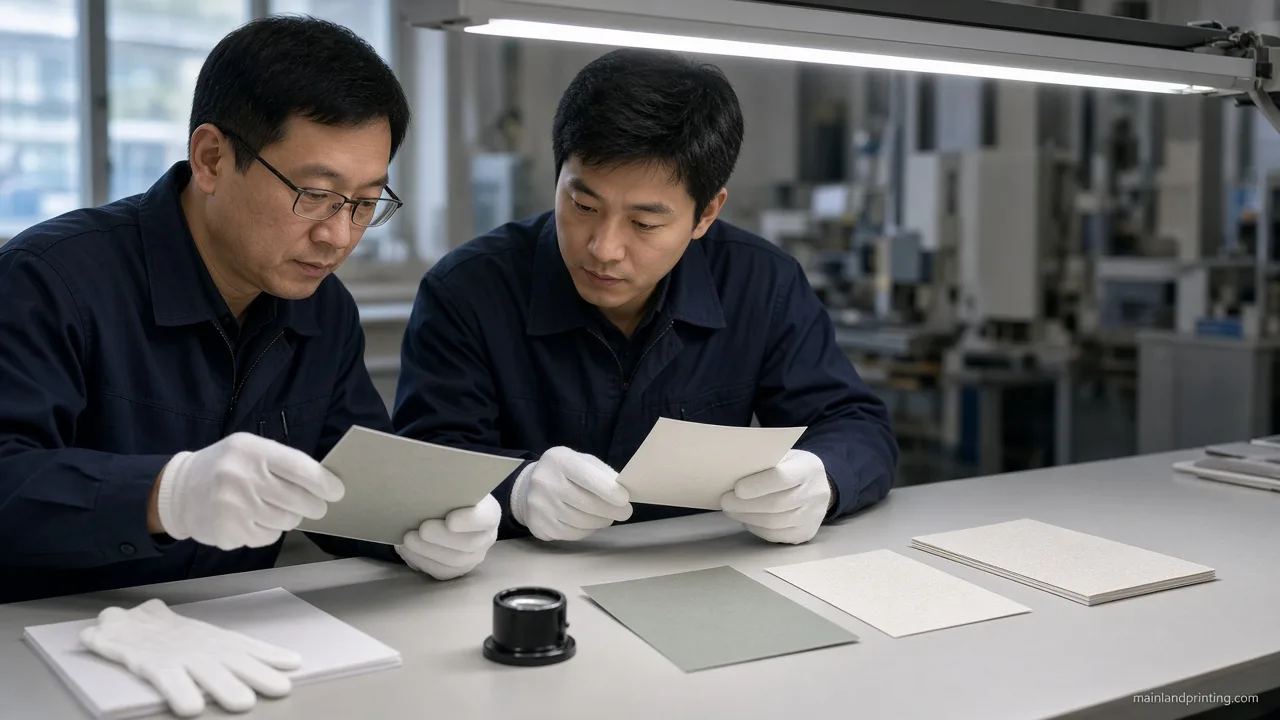
Die Papierauswahl verdient einen eigenen Prüfpunkt. Falls die Wahl des Innenpapiers noch nicht feststeht, sollten Sie den Preiskampf unterbrechen und die Situation noch einmal prüfen. Papier für den Buchdruck Optionen, die Ihrer Farbbeladung und der gewünschten Haptik im Regal entsprechen. Lassen Sie sich die Grammatur schriftlich bestätigen – 80 g/m² ungestrichen und 157 g/m² gestrichen sind keine austauschbaren Angaben.
Auch die Langlebigkeit von Hardcover-Ausgaben spielt bei der Budgetplanung eine Rolle. Leitlinien der Betreuung durch die Library of Congress „Pages“ erinnert uns daran, dass die Handhabung, das Licht und die Lagerbedingungen Einfluss darauf haben, wie lange ein gut gefertigter Einband nach der Herstellung noch in einem ansehnlichen Zustand bleibt.
- Warnsignal: Die Lieferanten weigern sich, für dieselbe Abdeckkonstruktion einen Preis anzugeben.
- Warnsignal: Die Seitenzahl ändert sich nach der Einreichung, ohne dass ein überarbeiteter Kostenvoranschlag vorliegt.
- Warnsignal: Folie oder Stoff werden als “im Lieferumfang enthalten” beschrieben, ohne dass Einzelheiten zum Herstellungsverfahren angegeben werden.
- Warnsignal: Bei Lieferaufträgen in die USA bleiben die Felder „Fracht“, „Zölle“ oder „Kartonvolumen“ leer.
Wenn sich zwei Angebote hauptsächlich hinsichtlich der Oberflächenausführung unterscheiden, legen Sie zunächst die Einbandvariante fest. Ermitteln Sie die Kosten für eine sauber bedruckte Einbandumhüllung und für eine Variante aus Stoff mit Folienprägung als separate Szenarien und entscheiden Sie dann, welche Ausgabe Ihr Vertriebskanal tatsächlich verkaufen kann. Prüfen Sie die Haptik der Scharnierverbindung anhand von Mustern und messen Sie die Kartondicke, bevor Sie eine der beiden Varianten als “endgültig” festlegen.”
So wählen Sie eine Auflage aus
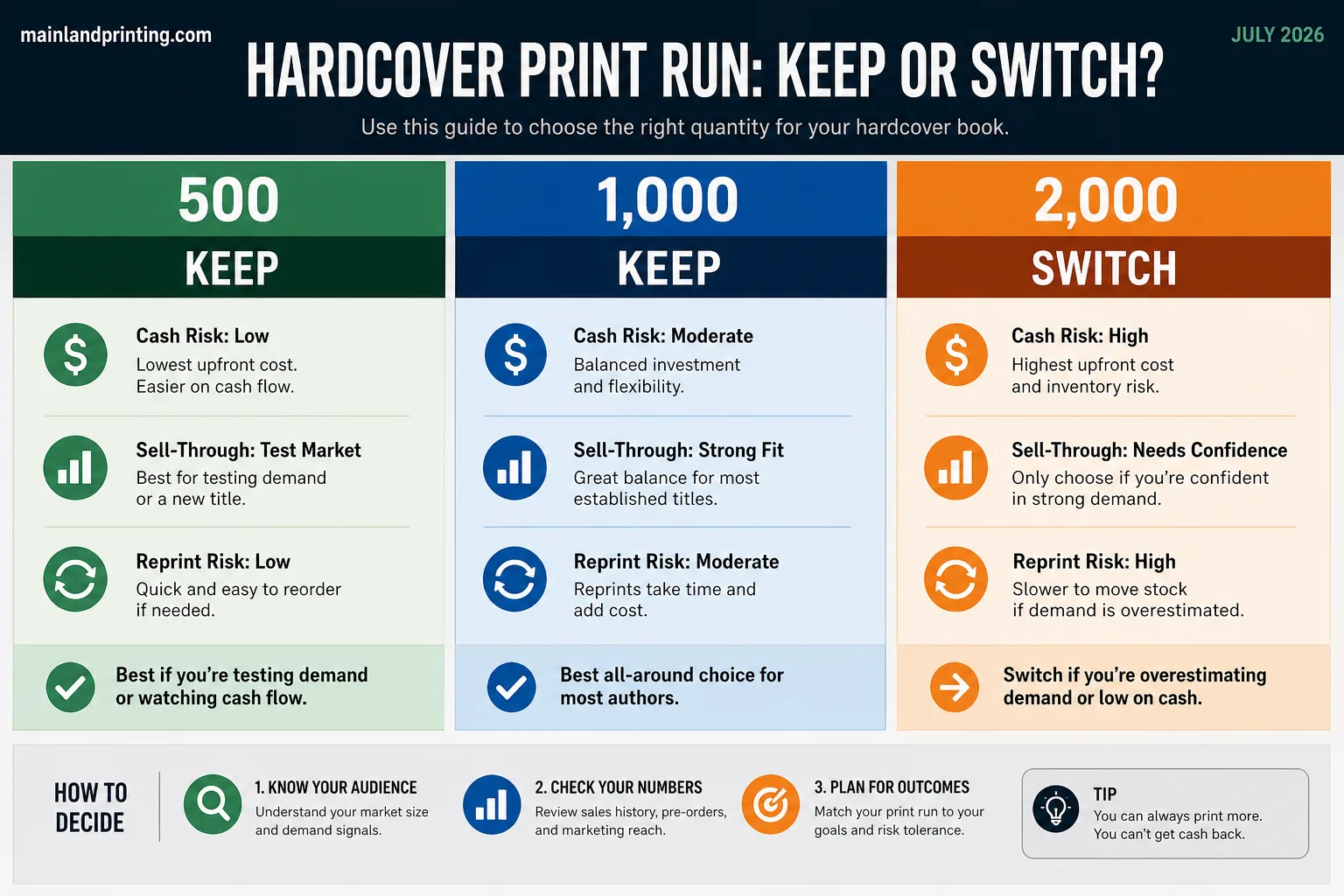
Die Auflage ist nicht nur eine Rabattstaffel. Sie ist eine Entscheidung über das Lagerrisiko, den Zeitpunkt der Kampagne und darüber, ob sich ein Nachdruck später rächen könnte. Wählen Sie die Auflage, die zu Ihrem nächsten Absatzzeitraum passt, und nicht die niedrigste Stückzahl in einer unpassenden Tabelle.
| Laufgröße | Aufbewahren, wenn | Wechseln, wenn |
|---|---|---|
| 500 Exemplare | Die finanziellen Mittel sind knapp, die Nachfrage ist noch ungewiss, oder Sie benötigen eine kontrollierte erste Verkaufs- oder Kickstarter-Phase. | Sie haben bereits eine Nachfrage im Großhandel bestätigt, und eine zweite Kleinserie würde wahrscheinlich innerhalb weniger Monate folgen. |
| 1.000 Exemplare | Die Stückkosten verbessern sich deutlich, und Ihr Absatzplan für die nächsten 6 bis 12 Monate ist glaubwürdig. | Lagerkosten, Kapitalbindung oder ungewisse Renditen führen dazu, dass das Gesamtrisiko größer ist als die Einsparungen pro Einheit. |
| 2.000 Exemplare | Die Vertriebskanäle sind gesichert, die Verpackung ist stabil, und eine Unterbrechung des Nachdrucks würde mehr Schaden anrichten als der Lagerbestand. | Das Cover-Design, die Seitenzahl oder die Dateien ändern sich noch – passen Sie das Produkt an, bevor Sie die Auflage erhöhen. |
Ein kleiner Verlag plante eine Auflage von 500 Exemplaren, nachdem er bei 1.000 Exemplaren einen starken Absatzrückgang festgestellt hatte. Vorbestellungen und eine Buchhandelskette deckten bereits den Großteil der höheren Auflage ab. Man entschied sich für eine Auflage von 1.000 Exemplaren, behielt das gleiche Papier und die gleiche Schutzhülle bei und vermied so eine überstürzte Nachdruckaktion vier Monate später zu höheren Stückkosten.
Orientieren Sie sich bei der „Behalten/Wechseln“-Tabelle an den tatsächlichen Absatzzahlen und nicht an optimistischen Annahmen. Wenn Vorbestellungen, Großhandelszusagen oder Kampagnenzusagen schwach ausfallen, bleiben Sie bei 500 Stück, auch wenn eine Stückzahl von 1.000 auf dem Papier attraktiv erscheint. Überprüfen Sie Ihren Absatzplan für die nächsten 6 bis 12 Monate, bevor Sie die Mindestbestellmenge anpassen.
Wenn die Bücher in die Vereinigten Staaten geliefert werden, vergleichen Sie den Hersteller-Stückpreis mit den tatsächlichen Kosten nach Ankunft. Ein niedrigerer Stückpreis aus China kann sich nach Abzug der Frachtkosten und Einfuhrzuschläge immer noch als Verlustgeschäft erweisen, weshalb ein Überprüfung der Gesamtkosten gehört neben die Mengenleiste für die Produktion im Ausland.
Kosten, die vor der Freigabe der Produktion zu klären sind
Bei der Freigabe werden “günstige” Angebote plötzlich teuer. Bevor Sie Dateien freigeben oder eine Anzahlung leisten, sollten Sie alle Kosten bestätigen, die sich noch ändern können, auch wenn das Marketingteam davon ausgeht, dass die Zahlen bereits feststehen.
| Artikel | Bereit | Halten |
|---|---|---|
| Beweispfad | Der Umfang des digitalen Korrekturabzugs sowie das physische Muster oder der Prototyp werden kalkuliert und terminiert (oftmals 7–14 Tage für ein physisches Muster). | Für Stoff-, Folien- oder komplexe Hüllenverpackungen wird ausschließlich ein Bildschirm-PDF angeboten. |
| Überarbeitungsrunden | Die enthaltenen Korrekturen sind schriftlich; für zusätzliche Durchgänge wird eine Gebühr erhoben. | “Unbegrenzte Änderungen” ohne Auswirkungen auf den Produktionsplan. |
| Verpackung | Anzahl der Kartons, Schutzverpackung sowie gegebenenfalls Hinweise zu Fall- oder Druckprüfungen. | Für schwere Hardcover-Titel wird keine Kartonmenge angegeben. |
| Fracht und Bedingungen | Incoterms, Bestimmungsort und Zollverantwortung sind schriftlich festgelegt. | Zum Versand wurde nur mündlich gesagt: “Wir werden das später prüfen.” |
Auch die Lagerung und Handhabung nach der Ankunft spielen bei Hardcover-Beständen eine Rolle. Praktische Hinweise aus NARA-Leitfaden zur Aufbewahrung Helfen Sie den Teams dabei, sich bewusst zu machen, dass Feuchtigkeit, Stapelung und Lichteinwirkung fertige Bücher beschädigen können, selbst wenn die Druckauflage an sich einwandfrei war.
Send One Base Specification Before Comparing Quantity Tiers
A 500-, 1,000- and 2,000-copy comparison only works when the underlying book stays fixed. Lock the base specification first, then ask each supplier to show which lines move with quantity and which lines are separate options.
| Lock in the base specification | Ask suppliers to show separately | Decision use |
|---|---|---|
| Trim, orientation, final page count, text paper and case construction | Proof or sample route, revisions and any construction option that is not yet final | Shows whether the quoted books are actually the same product. |
| Quantity tiers and the same destination | Packaging, freight assumption, delivery term and storage or delivery requirements | Separates the production decision from delivery assumptions. |
| Named finishes that are essential to the edition | Optional finishes or alternates, with their own price impact | Lets the team remove or keep a feature deliberately rather than discovering it after approval. |
Three questions that expose a non-comparable quote
- Which line changes because the quantity changed, and which line changed because the book specification changed?
- Which proof, sample, finish, packaging or freight assumptions are not included in the quoted total?
- What information must be confirmed before this quote can become a production approval?
When each supplier answers those questions against the same base sheet, the quantity decision becomes a demand-and-cash decision rather than a search for a universal per-copy number.