At-a-Glance: Project “SafePop”
| Metric | Details |
|---|---|
| Client Profile | Boutique Children’s Publisher (Targeting US/EU Markets) |
| Project Type | Interactive Board Book with Pop-ups & Die-cuts |
| Core Challenge | High risk of small part detachment (Choking Hazard) & Ink Compliance |
| Solution | Structural Re-engineering, Certified Eco-Materials, Reinforced Binding |
| Key Outcome | 100% Pass on CPC/CE Testing; 0% Return Rate due to damage |
The Problem: A Beautiful Design with a Hidden “Recall” Risk
The client approached Mainland Printing with a visually stunning concept for an interactive educational series. The design featured intricate “lift-the-flap” mechanisms and glued-on tactile accessories intended to engage toddlers. Visually, it was a masterpiece; structurally, it was a liability.
Upon reviewing the initial CAD files, our engineering team identified a critical “hidden risk” that most standard print shops would overlook in their rush to secure the order.
The adhesive surface area for the tactile accessories was insufficient for the substrate tension. Under standard “torque and tension” testing simulated in our lab, these elements detached too easily.
For a product targeting the 0-3 age group, this wasn’t just a quality issue—it was a Class A Choking Hazard. Proceeding with the original design would have almost certainly resulted in a failed CPC (Children’s Product Certificate) audit, Customs seizure, or worse—a brand-damaging product recall after market launch.
The client needed more than a printer; they needed a compliance partner to save the project without sacrificing the creative vision.
The Solution: Structural Engineering Meets Strict Compliance
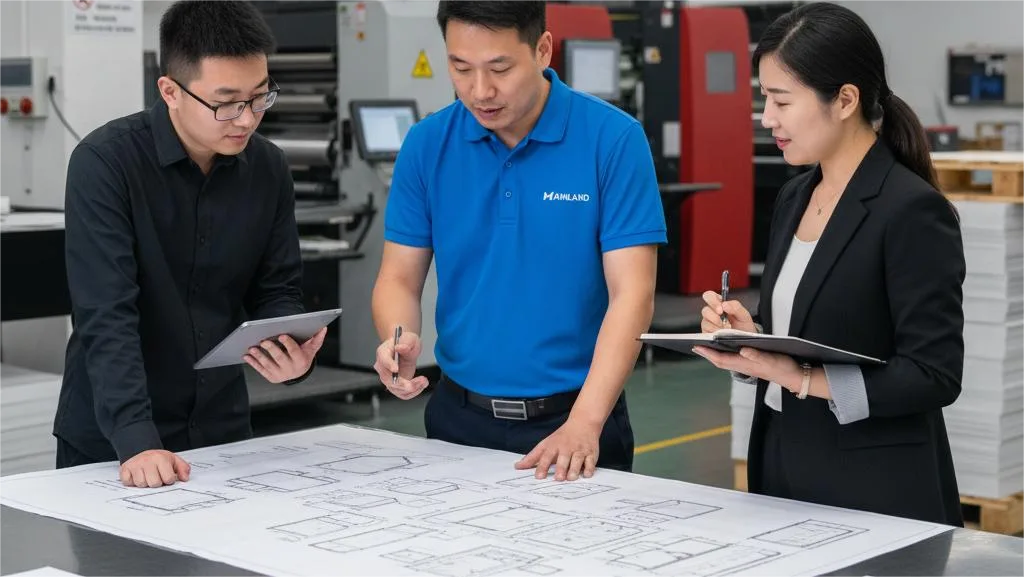
Instead of simply quoting the job, the Mainland Printing Engineering Team initiated a “Safety Audit & Reconstruction” phase. We shifted the conversation from “how to print” to “how to engineer for safety.”
1. Structural Reinforcement & Risk Mitigation
We immediately applied the rigorous protocols detailed in our children’s book safety guide to the client’s design.
We flagged the high-risk accessories and proposed a structural modification: changing the attachment method from simple surface gluing to a mechanical “interlocking” die-cut assembly embedded within the ply of the pages.
This dramatically increased the pull-force resistance, ensuring the parts remained secure even under aggressive handling by toddlers.
2. Material Selection & Binding Integrity
To ensure the book could withstand the physical demands of the US and EU markets, we advised against standard casing methods.
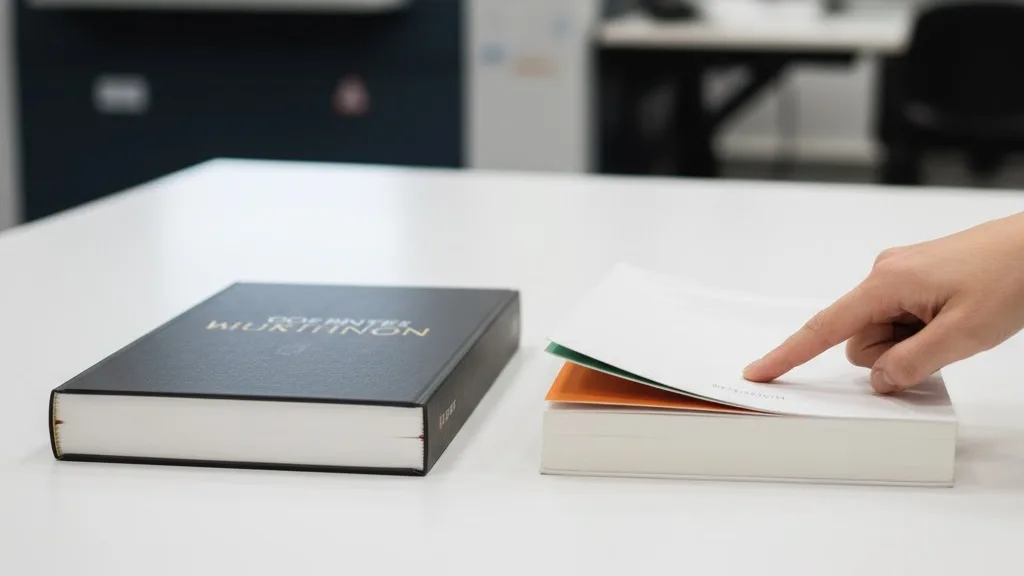
Drawing on data regarding longevity and child-safety, we guided the client through the board book vs. hardcover analysis, ultimately confirming that a reinforced board book construction was the only viable option for this age demographic.
Furthermore, we utilized distinct binding techniques optimized for heavy usage, as outlined in our analysis of binding selection guide, to prevent spine cracking—a common failure point in thick board books.
3. Chemical Safety & Supply Chain Transparency
Safety extends beyond mechanics. We replaced the originally specified spot-color inks with soy-based, lead-free alternatives that were pre-certified for Children’s Book Printing.
This proactive substitution ensured that the final Board Book Printing run would breeze through chemical analysis for heavy metals and phthalates, meeting ASTM F963 and EN71 standards without delay.
The Result: Market-Ready Compliance and Brand Trust
The re-engineered prototype passed third-party laboratory testing on the first attempt, securing both CPC and CE certifications immediately. The structural changes not only satisfied safety inspectors but also resulted in a more robust product that felt premium in the hands of consumers.
Following the launch, the client reported a negligible return rate due to damage, validating the durability of the new binding structure. Consequently, Mainland Printing was awarded the exclusive contract for the client’s entire upcoming educational series..
“We didn’t realize our original design was a safety nightmare until Mainland Printing pointed it out. They didn’t just print our books; they engineered them to be safe. They saved us from a potential recall before we even started production. That level of expertise is rare.”
— Sarah Jenkins, Product Director, Little Minds Publishing
Ready to Print Safe Children’s Books?
Don’t let hidden risks delay your launch. Partner with Mainland Printing for certified safety compliance and structural durability engineering.