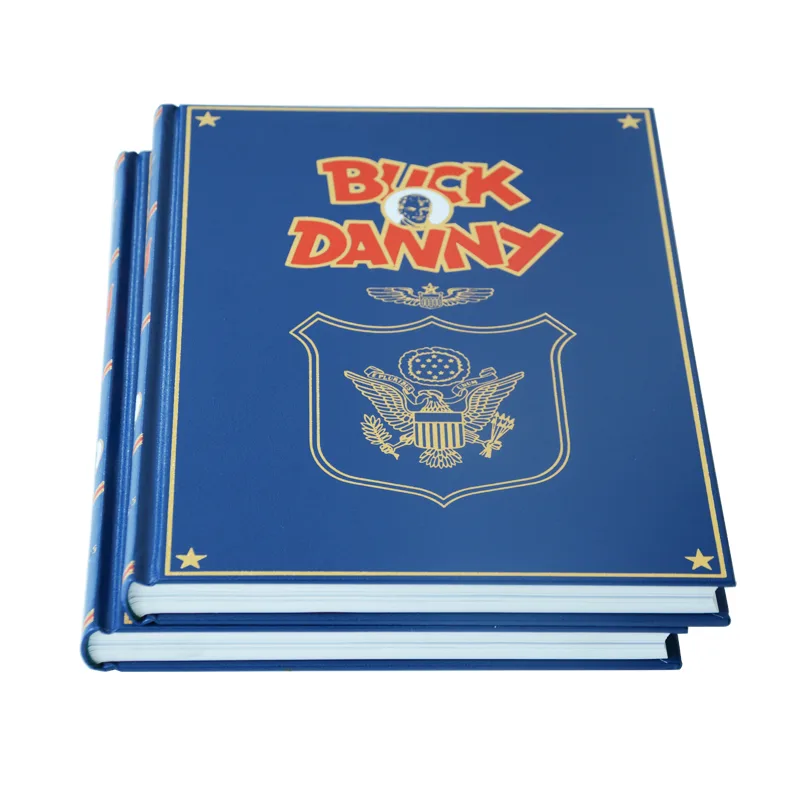
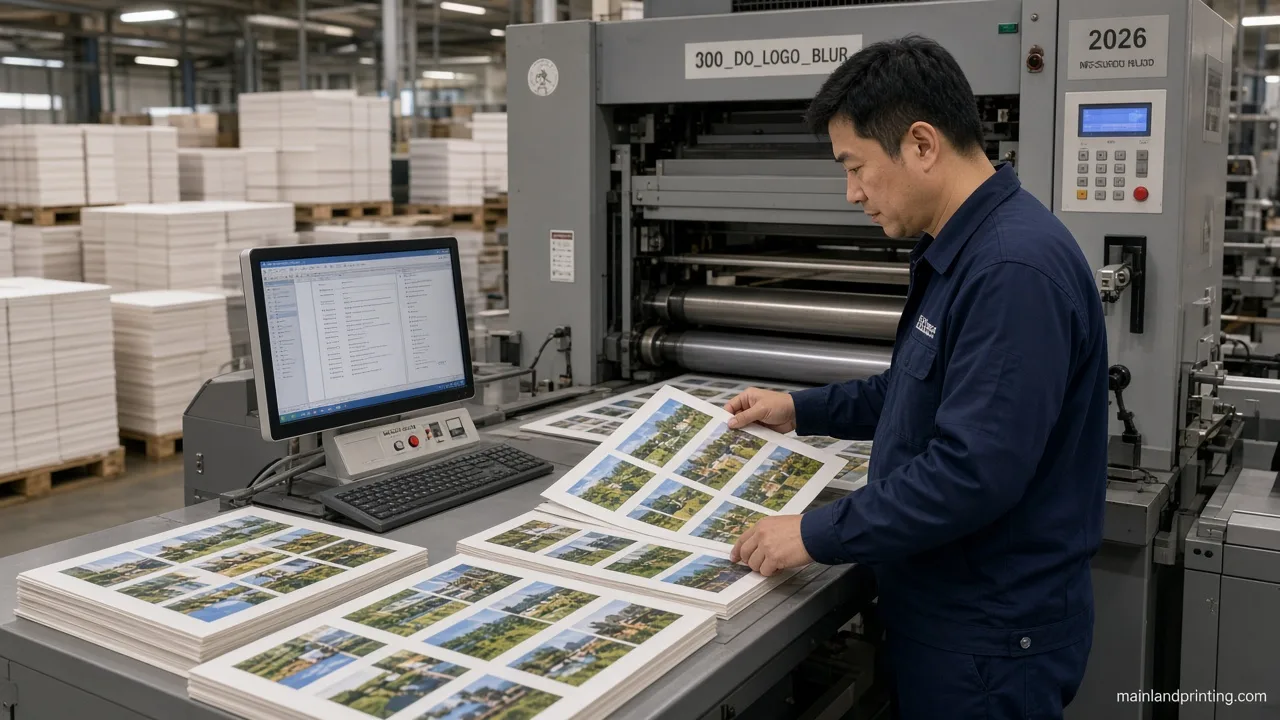
La portada ya está aprobada, pero la imprenta sigue esperando una respuesta: ¿lomo cuadrado o redondo para esta tirada en tapa dura? El número de páginas ha aumentado ligeramente, se ha cambiado el tipo de papel y un comentario del tipo “el redondo da una sensación de mayor calidad” te está llevando a elegir la estructura equivocada.
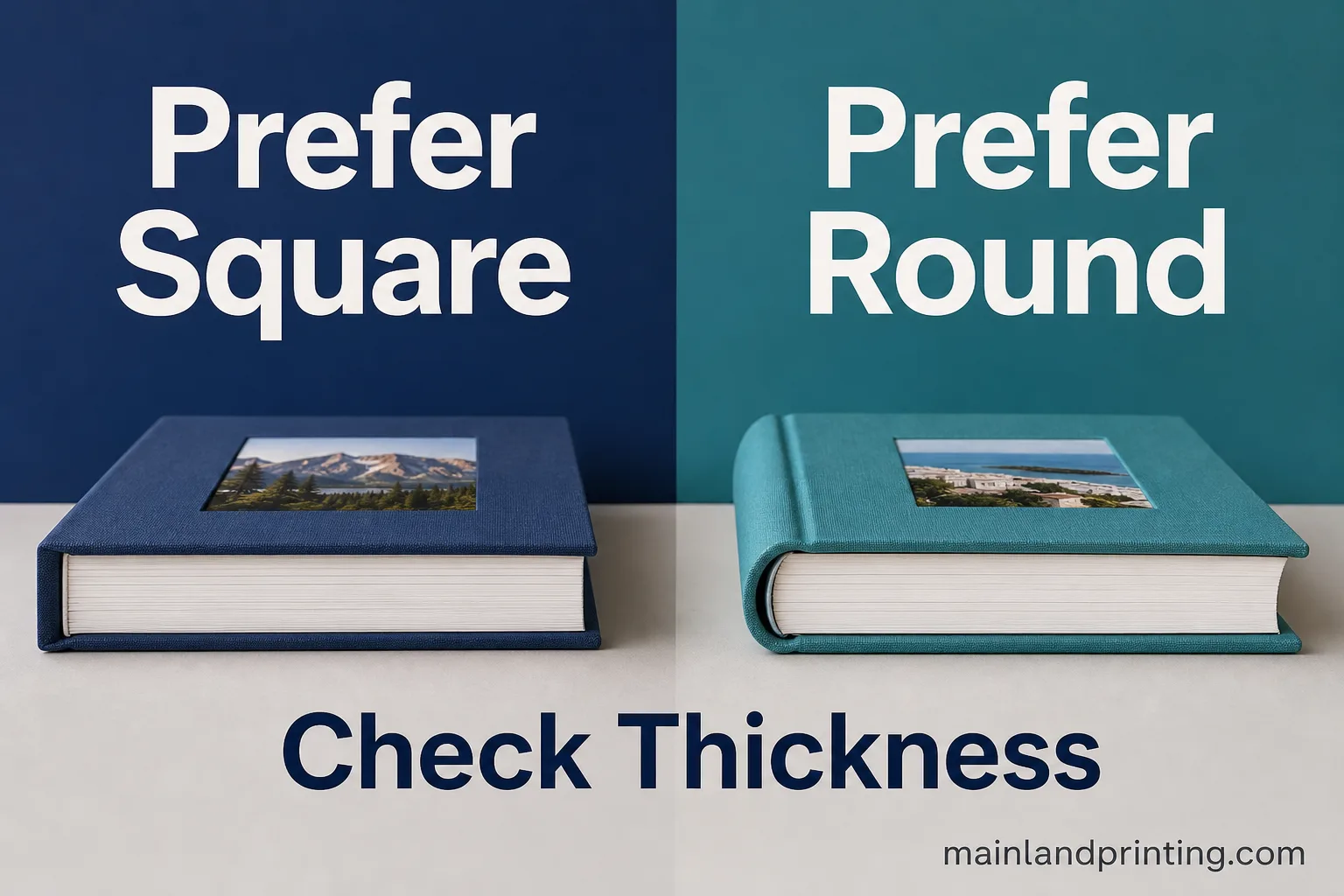
A la hora de elegir entre un lomo redondo o uno cuadrado para una edición de tapa dura, hay que tener en cuenta en primer lugar el grosor del bloque del libro y el uso que se le vaya a dar al proyecto, y no el estilo de la cubierta. Los títulos finos y ligeros suelen mantener el lomo cuadrado; los libros más gruesos, pesados o que se abren con frecuencia se optan por un lomo redondo una vez que se han confirmado el grosor y el tipo de papel.
Utiliza la tabla de clasificación de bloques de libro «Preferir/Evitar», las tablas de proyectos «Mantener/Cambiar» y la lista de comprobación de archivos «Listo/En espera» que figuran a continuación. A continuación, solicita una recomendación sobre el lomo con datos reales sobre el grosor, y no solo en función de una preferencia de estilo.
Empieza por el contenido del libro, no por la portada
La forma del lomo se adapta al bloque del libro que ya has construido. La lámina y la tela de la cubierta pueden esperar. Si el grosor, el gramaje del papel y la forma en que se abrirá el libro aún no están claros, cualquier debate sobre si debe ser redondeado o cuadrado no es más que una conjetura.
Una vez que se haya determinado el grosor, adapta la forma del lomo al bloque del libro con el Encuadernación cosida frente a encuadernación PUR—Los libros con lomo redondo suelen preferir la encuadernación Smyth.
Mide o calcula el grosor del bloque de libro terminado una vez que el número definitivo de páginas y el tipo de papel del texto estén confirmados. Solo entonces compara las opciones de lomo para tu impresión de libros de tapa dura ruta. El lomo redondeado es una opción de acabado para la encuadernación, no un método de encuadernación diferente. Un error habitual: dar el visto bueno al lomo redondeado antes de poder comprobar el grosor en milímetros en una maqueta.
| Datos para la toma de decisiones | Preferir | Evite |
|---|---|---|
| Orden de las decisiones | Fija el tamaño de la cubierta, el número de páginas, el gramaje del papel y, a continuación, el grosor y la forma del lomo. | Elegir el lomo redondeado porque “tiene un aspecto más exclusivo” antes de conocer el grosor. |
| Qué significa “ronda” | Considera la columna redondeada como una carcasa moldeada para un bloque grueso que necesita soporte. | Se puede considerar el lomo redondeado como un método de encuadernación distinto o como una mejora mágica de la resistencia. |
| Bloques finos | Mantén la columna recta cuando el bloque sea ligero y corto. | Insistir en una ronda con un título poco convincente que quedará mal y resultará demasiado caro. |
| Uso intensivo o frecuente | Revisar la ronda una vez que queden claros el riesgo de espesor y el de frecuencia abierta. | Utilizando un único límite de número de páginas, sin tener en cuenta el gramaje del papel. |
Conclusiones para el comprador
No se aprobará la forma del lomo hasta que el número de páginas, el tipo de papel y el grosor aproximado del bloque estén reunidos en una misma hoja. Las preferencias de estilo no son un factor que influya en la producción.
En una ocasión, una editorial aprobó un “lomo redondeado y tacto de alta calidad” para un título de 96 páginas con papel sin estucar y de gramaje ligero, una vez que las maquetas de la portada parecían estar terminadas. Sin embargo, la imprenta aún necesitaba un bloque de prueba. Tras comprobar en una maqueta que el perfil era cuadrado y delgado, el equipo optó por el formato cuadrado y se ahorró un paso innecesario de redondeado.
Indica el grosor y el tipo de papel en la solicitud de presupuesto antes de entrar en discusiones sobre la estética. Si dos fábricas no se ponen de acuerdo sobre la forma del lomo, a menudo es porque están calculando el precio basándose en supuestos diferentes sobre el bloque, y no por una cuestión de gustos.
¿Necesitas alguna recomendación sobre el lomo y la encuadernación?
Indica el formato de corte, el número de páginas, el gramaje del papel del cuerpo del libro, el tipo de cubierta y el uso que se le dará al libro. Mainland Printing puede recomendar un lomo cuadrado o redondeado basándose en el bloque del libro, y no solo en un panel de inspiración de la cubierta.
Cuándo es mejor optar por una columna cuadrada
Los lomos cuadrados se adaptan a la mayoría de los libros de tapa dura más finos: novelas cortas, libros de marca delgados y catálogos ligeros que pasan más tiempo en una estantería que abiertos sobre un escritorio. La cubierta es sencilla, el panel del lomo es rectangular y la maquetación se asemeja más a una cubierta plana.
Si tu proyecto sigue teniendo un grosor adecuado para el muestreo, la opción «Keep» suele ser la más adecuada. La opción «Round» solo se convierte en «Switch» cuando el bloque se hace más grueso o aumenta la tensión de apertura diaria.
| Tipo de proyecto | Mantén la posición recta cuando… | Cambia de canal cuando… |
|---|---|---|
| Manual narrativo o de marca conciso | El número de páginas es moderado y el papel es de gramaje ligero a medio. | Las páginas añadidas a última hora o un papel más grueso aumentan el grosor, dando lugar a un bloque pesado. |
| Título para exposición en estantería | Quieres un lomo rectangular limpio y una encuadernación sencilla. | La altura y el grosor del lomo hacen que los bordes rectos adquieran un aspecto suave tras su manipulación. |
| Presupuesto ajustado / plazo de entrega corto | Necesitas menos pasos de modelado y un proceso de fabricación de carcasas más rápido. | El riesgo estructural derivado del espesor prevalece sobre la preferencia en cuanto al calendario. |
| Planos de pintura de bordes | Una superficie con bordes planos forma parte de las especificaciones del diseño. | El redondeo iría en contra del acabado de los bordes que ya has vendido a los compradores. |
- Señal visual: Los lomos cuadrados aportan un aire moderno y arquitectónico a los títulos de formato delgado.
- Indicación del archivo: El diseño del lomo sigue siendo un rectángulo recto con una disposición tipográfica más clara.
- Indicador de coste: menos pasos de redondeo y conformado en los bloques ligeros.
- Señal de riesgo: Redondear las esquinas de un libro delgado es un derroche de dinero y queda raro al llevarlo en la mano.
- Señal de alerta: “Redondo de alta calidad” sin especificar el grosor en milímetros en la solicitud de presupuesto.
Si sigues comparando la estructura general de la carcasa, céntrate en esta página en la forma del lomo. Utiliza una perspectiva más amplia servicios de impresión de libros Esta visión general solo sirve como referencia para el contexto del formato, no como sustituto de los datos sobre el grosor. No permitas que un panel de inspiración de la portada prevalezca sobre la medida de un bloque delgado.
Square también sale ganando cuando el equipo de ventas ya ha mostrado a los compradores una maqueta con lomo rectangular. Cambiar a lomo redondo después de los pedidos anticipados puede obligar a rediseñar la portada, a realizar ajustes en la bisagra y a iniciar un nuevo ciclo de maquetas que no habías presupuestado para esta semana.
Cuándo es mejor optar por una columna redondeada

Los lomos redondeados resultan muy útiles en libros de tapa dura más gruesos, pesados o que se abren con frecuencia. El lomo curvado ayuda a que la cubierta se adapte a un bloque más profundo y puede reducir ese aspecto “encorvado” que aparece cuando un lomo alto y cuadrado se ve sometido a tensión.
Elige el perfil redondeado cuando el grosor y el uso lo requieran, no porque alguien haya dicho que es más lujoso. Un libro de lujo que no se abre correctamente sigue siendo un libro fallido.
| Señal | Prefiero redondo | Espera un momento |
|---|---|---|
| Espesor del bloque | El maniquí o la pinza muestran un bloque profundo que se opone a una columna vertebral plana. | El grosor sigue siendo de “unas 200 páginas”, aunque aún no se ha decidido el tipo de papel. |
| Libros de arte o de fotografía de gran formato | El papel estucado y el elevado número de páginas le dan un peso considerable. | Lo de que sean redondas solo sirve para las fotos en las estanterías, no para manejarlas. |
| Frecuencia abierta | Los libros de consulta, de culto o de estudio se abren a menudo y de par en par. | Artículos que solo se exponen y que rara vez salen de la estantería. |
| Tensión conocida en la columna vertebral | Las ediciones cuadradas anteriores se deformaban o se agrietaban en la zona de la bisagra. | Aún no hay historial de muestras ni datos sobre el espesor. |
En el caso de los libros de arte de gran peso, los detalles técnicos del lomo son importantes una vez que se ha optado por el lomo redondo. Sigue las indicaciones del fabricante sobre riesgos de encorvamiento de la columna vertebral como apoyo, no como motivo para redondear todos los títulos por defecto.
El equipo encargado del catálogo del museo insistió en el formato redondo para lograr una “presencia de lujo”, mientras que los archivos seguían teniendo 120 páginas en papel de gramaje medio. La maqueta en blanco seguía siendo delgada. Mantuvieron el formato cuadrado para el lanzamiento y no volvieron a plantearse el redondo hasta que una edición ampliada posterior superó un grosor mayor.
Cómo influyen el número de páginas y el tipo de papel en el diseño del lomo

Basarse únicamente en el número de páginas es un criterio poco fiable. Las mismas 200 páginas, impresas en papel sin estucar de 80 g/m² y en papel estucado de 157 g/m², son libros diferentes. El gramaje del papel influye en el grosor, el peso y en si el libro sigue teniendo un aspecto equilibrado en la estantería.
Elabora una descripción sencilla del grosor: páginas finales × comportamiento del papel; a continuación, compruébalo con una maqueta cuando el trabajo se acerque al límite. Los “números mínimos de páginas” absolutos sin especificar el tipo de papel son atajos de marketing, no requisitos de producción.
- Número de páginas bloqueadas tras la congelación del contenido, no durante la fase de borradores del esquema.
- Nombre, texto, GSM y acabado en cada comparación de presupuestos.
- Medir el grosor del bloque en mm sobre un maniquí de fábrica cuando el trabajo es dudoso.
- Comprueba si es cuadrado o redondo en función de ese grosor y ese uso concreto, en un plazo de 2 a 3 días tras la recepción de la muestra.
- Vuelve a comprobar los archivos si se producen cambios en las páginas o en el papel tras la primera aprobación.
- Revisar las notas sobre las bisagras en el ticket de prueba antes de soltar el envoltorio.
Aquí también suelen surgir problemas de presupuesto. La forma del lomo puede suponer un trabajo adicional de confección, pero las mayores variaciones en el coste siguen viniendo determinadas por el número de páginas, el papel y el tipo de cubierta. Ten en cuenta la elección del lomo junto con tu coste de impresión de libros de tapa dura Revísalo para no “ahorrar” en el lomo mientras las especificaciones del bloque aún están en proceso de cambio.
El manejo a largo plazo también forma parte de la historia. Las recomendaciones de la A cargo de la Biblioteca del Congreso Las páginas sirven para recordar que tanto la estructura como el almacenamiento influyen en cómo envejece la encuadernación de una caja tras su entrega.
Comprobaciones del diseño y de los archivos antes de la producción
Los cambios en la forma del lomo afectan a la geometría de la envoltura, al tacto de la bisagra y, en ocasiones, al acabado de los bordes. No apruebes los archivos hasta que la fábrica haya confirmado qué lomo vas a fabricar.
| Punto de control | Listo | Esperar |
|---|---|---|
| Ancho del lomo en el archivo | La anchura coincide con el espesor medido o teórico de la forma elegida. | La ilustración sigue utilizando un lomo aproximado tomado de una edición antigua. |
| Título en el lomo | El título se ajusta al panel del lomo real con márgenes de seguridad. | Tipo de letra denso diseñado para un lomo más ancho del que tendrás. |
| Plano de bisagra/articulación | La fábrica confirma la junta de la carcasa para el recorrido cuadrado o redondo. | Portada aprobada sin ninguna anotación conjunta en el talón de prueba. |
| Pintura de bordes / dorado | El perfil del borde se adapta tanto a una cara cuadrada como a un perfil redondeado. | El acabado de los bordes se vende antes de que se fije la forma del lomo. |
| Riesgos técnicos relacionados con las rondas | El equipo analizó los obstáculos relacionados con la unión de las cajas para la ruta circular elegida. | La pieza redonda se ha aprobado sin que la fábrica haya indicado ningún límite de conformado. |
Si vas a empezar con la producción en serie, lee la lista de comprobación para la planta en obstáculos para la encuadernación con lomo redondo antes de publicar los archivos. En esa página se tratan los problemas técnicos; en esta página se decide si el archivo en cuestión debe incluirse en el trabajo.
El almacenamiento tras la llegada sigue siendo importante una vez que la columna vertebral está en buen estado. Notas prácticas de Directrices de almacenamiento de la NARA ayudar a los equipos a evitar que los libros de tapa dura terminados se deformen debido a la humedad y a la presión que ejerce el apilamiento.
Elige el diseño de tu tapa dura
La elección entre el lomo redondeado y el lomo cuadrado en una edición de tapa dura es una decisión basada en el grosor y el uso, disfrazada de debate sobre el estilo. Empieza por el bloque del libro: mantén el lomo cuadrado cuando el título sea ligero, opta por el redondeado cuando la profundidad y el manejo lo exijan, y retoca los archivos hasta que el ancho del lomo, las uniones y los perfiles de los bordes se ajusten a la forma elegida.
Envía a la imprenta el formato de corte, el número definitivo de páginas, el gramaje del texto, el tipo de cubierta y si el libro está destinado a la exposición en estantería o a un uso frecuente. Pídeles que confirmen la forma del lomo en la misma hoja en la que figuran el grosor del cartón y las indicaciones sobre las uniones.
Una recomendación clara sobre el lomo es más barata que una bonita cubierta que envuelve un cuerpo de libro inadecuado. Fija primero el cuerpo del libro y, a continuación, elige entre lomo cuadrado o redondo con total confianza.