When a full-color picture book is press-ready but bulk is still one approval away, the risk is rarely “no proof at all”—it is approving the wrong proof for the risk you still carry. You can still separate layout checks from color-on-stock and binding feel, then release the run only after the right gate clears.
Approve children’s book printing proof in layers: digital for layout and page order, paper swatches for feel, and a bound physical sample for color, cover, and open feel. Do not treat a PDF as a finished-book substitute. Lock comments once, then release bulk.
You will leave able to pick the right proof gate for each risk—and keep that same approval path steady on the next title without reopening color debates from a laptop screen alone.
Scope Picture Book Proofs Before Bulk Print
Use this guide when ages 4+ paper-page picture books need illustration color and finished-book approval before offset. It is not a toddler board-book sample brief and not a full bleed/CMYK file rewrite.
When you are ready to name sample needs on a children’s book RFQ, keep toddler board-book mounted samples on a separate brief.
You can request a children’s book sample kit to feel child-safe stocks and binding, then order a project-specific bound sample when color and construction must match the run.
This does not promise screen-to-print color match, or that a blank swatch replaces a printed bound sample.
Paper finish and gsm depth stay on the picture book paper guide.
| Project signal | Next step |
|---|---|
| Ages 4+ paper-page picture book, full color, files nearly ready | Stay here: pick digital vs physical gates, then approve |
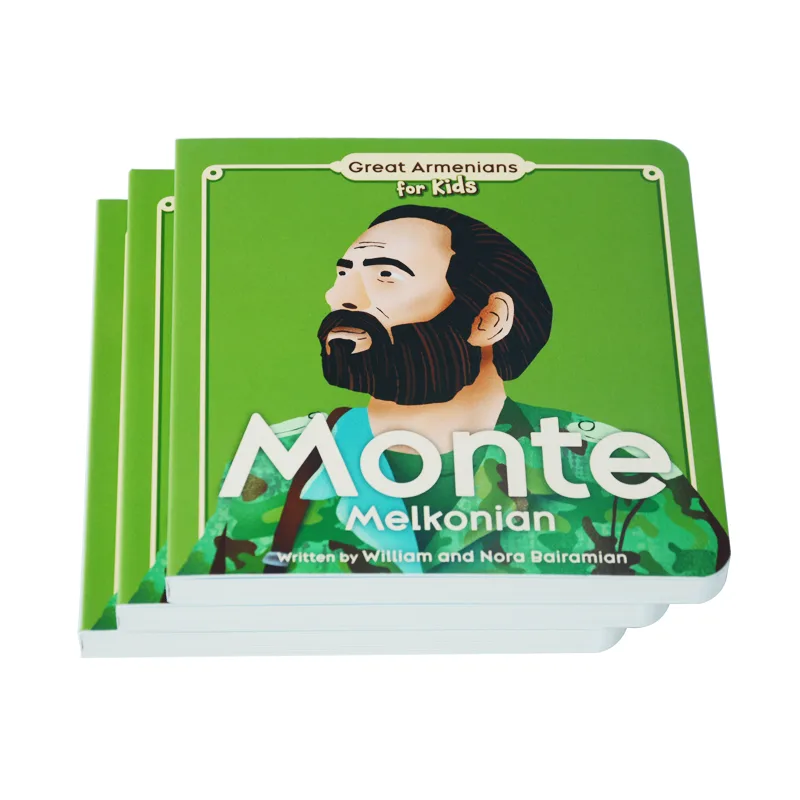
| Ages ~0–3 mounted board pages, rounded corners, chew risk | Leave this guide; open a board-book sample brief instead |
| Still choosing matte / silk / gloss or gsm band | Lock stock on the paper guide, then return for proof gates |
If quantity is still TBD, Hold the bound-sample spend until the ladder is real enough to defend. Inspect board diversion early so a thick toddler title does not burn a sample cycle on the wrong construction.
Match Each Proof Type to What It Can Confirm
Treat a digital proof, a paper swatch, and a bound physical sample as three different approval gates—not interchangeable substitutes.
When files are press-ready but you still need to know whether on-screen color and hand-feel are safe to approve, choose the gate that matches what you must confirm.
Does not claim every title needs all three gates; does not invent a universal sample pass rate.
A PDF can lock page order; only a bound sample locks color on stock and open feel.

| Proof type | Can confirm / cannot confirm |
|---|---|
| Digital / PDF proof | Can: trim, bleed, page order, type, crop. Cannot: final CMYK on stock, binding open feel, laminate glare |
| Paper swatch / white dummy | Can: sheet feel, bulk, board thickness cues. Cannot: your illustration color on that stock |
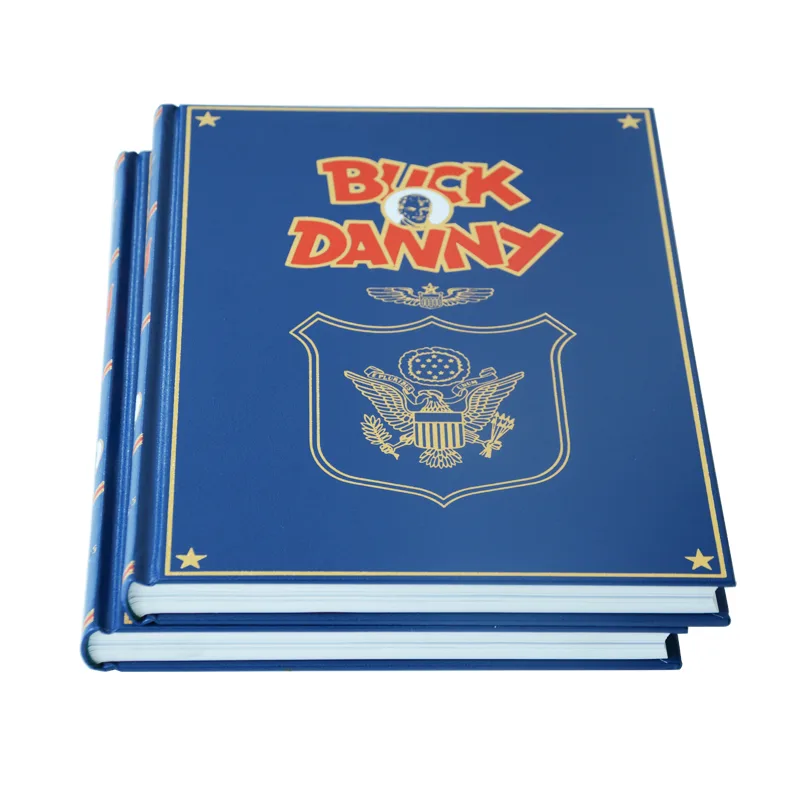
| Bound physical / author proof | Can: color on stock, cover film, spine, open behavior, spread alignment. Still not a screen=press promise |
| Still approving skin tones from a laptop only | Hold bulk; order a printed bound sample under reading light |
Industry proofing language often separates content proofs from contract color proofs—see how PRINTING United Alliance frames professional print production vocabulary when you write RFQ notes.Competitor timelines commonly land digital checks in 2–4 working days and physical samples closer to 5–10 working days; verify those bands on your quotation sheet, then inspect the bound sample under reading light—treat days as planning bands, not a quote.
Red flag: Signing a digital proof “for color” because the soft proof looked vivid on a bright monitor.
Run the Illustration Color Approval Checklist
After you pick the gate, walk the illustration risks that screens hide. Skin tones, soft gradients, deep blacks, and cross-spread alignment fail more often than typos once files are otherwise clean.
When the story is illustration-heavy and the RFQ only says “full color PDF OK,” pause and name the checks you will run on the physical sample.
Buyers already ask for an author proof or physical proof—and often a CMYK profile—on the same children’s-book RFQ before bulk.
When the RFQ still treats proofing as an optional extra after price, rewrite it so proof type and color profile sit next to quantity.
Does not invent win rates; does not claim every RFQ lists a CMYK profile.
Put physical proof and CMYK profile on the RFQ before you compare unit prices.
- Skin tones and warm washes under a desk or classroom lamp—not only under office LEDs
- Soft gradients and night skies for banding or unexpected posterization
- Deep blacks and large color fields for bronzing, mottling, or show-through
- Cross-spread characters and gutters for misalignment after binding
- Cover laminate glare versus interior page glare as two separate looks
| Illustration risk | Approve when |
|---|---|
| Faces / skin in warm art | Tone holds on stock; no green/magenta cast vs your marked reference |
| Gradient skies / soft vignettes | No obvious banding at intended viewing distance |
| Large black or navy fields | Even coverage; opposite-page art does not ghost through |
| Characters crossing the gutter | Alignment and gap look intentional after the book opens flat enough to read |
Bleed, fonts, and press-ready PDF setup continue on the file specs checklist after proof gates are named—do not reopen a full file rewrite here.
Color-management depth (profiles, ΔE contracts) stays a handoff after stock and proof gates are named—do not invent a lab number in this guide. If hardcover versus softcover still changes how spreads behave, keep format notes on hardcover vs softcover.
Red flag: Approving “close enough” skin tones on a phone screen during a commute, then freezing the plate.
Split Buyer and Prepress Approval Duties
A clean proof cycle fails when comments arrive in five emails and nobody owns the final “approved for bulk” line. Split what you confirm as buyer from what prepress confirms against the quotation sheet.
When markup is still scattered across chat screenshots, consolidate one annotated PDF or photo set before the factory restarts work.
One consolidated approval note beats five conflicting chat screenshots.

| Propietario | Confirm |
|---|---|
| Buyer / publisher | Story order, illustration intent, cover branding, “approve / revise” decision, launch date pressure |
| Prepress / printer | Bleed and spine math, file integrity, match to quoted stock/binding/finish, registration on the sample |
| Shared | Which proof type was ordered; which comments are must-fix vs nice-to-have; freeze date for bulk |
- Mark revisions on one PDF or photo set—not parallel threads
- State whether the change is file-only or requires a new physical sample
- Return a single “approved for bulk” note tied to the quotation revision
Red flag: Verbal “looks good” in chat while the annotated PDF still shows open redlines on skin tones.
Approve Bound Samples Before Bulk Production
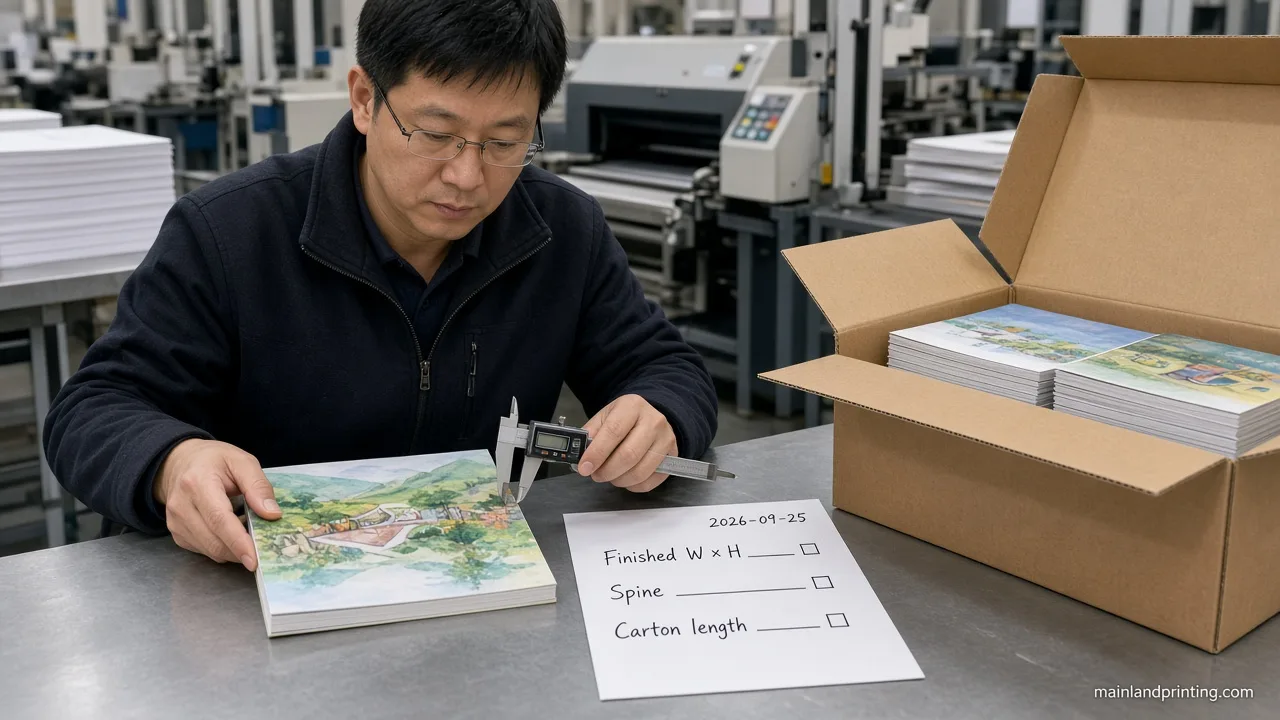
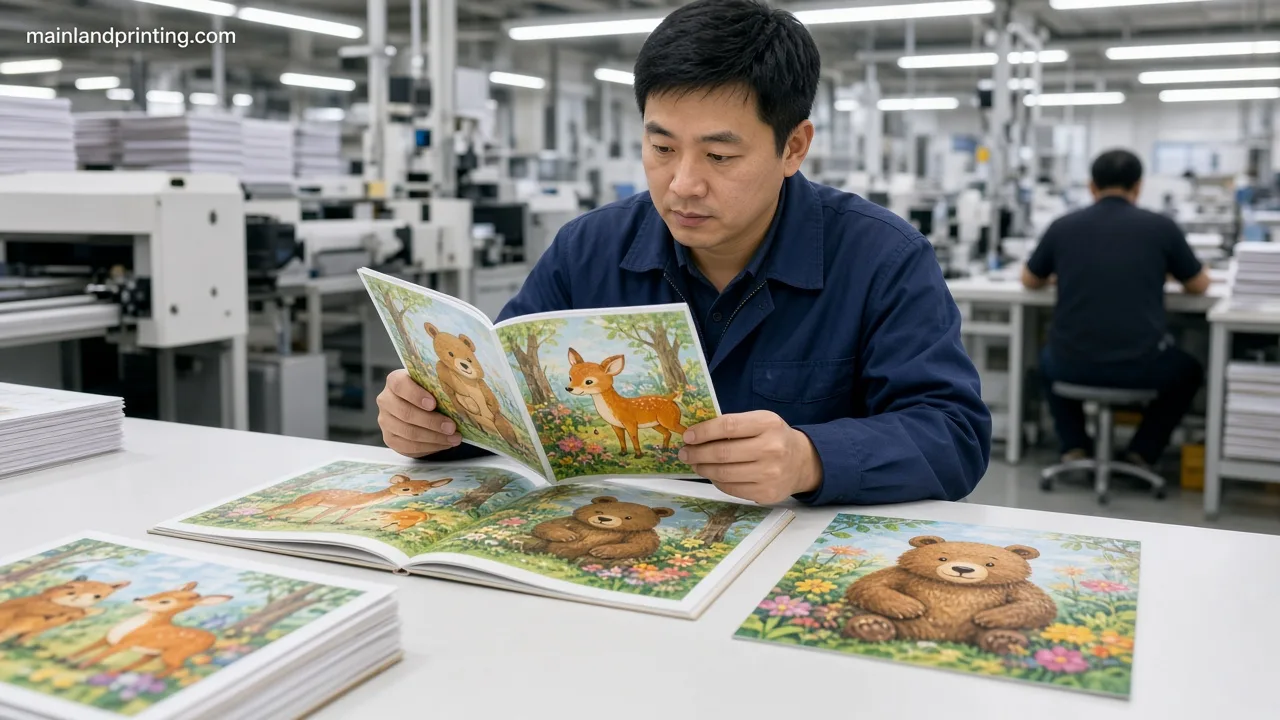
When illustration color, cover film, and open feel still matter, the bound physical sample is the gate that unlocks bulk—not the soft proof alone. Hold the book the way a caregiver will: open spreads flat enough to read, check corners, and look at laminate glare under a normal reading lamp.
When the quote is ready but the only approval on file is a screen PDF, pause bulk and name the bound-sample checkpoint on the order.
Release bulk only after the bound sample clears color, cover, and open feel.

| Bound-sample checkpoint | Pass when |
|---|---|
| Color on stock | Key spreads match your marked intent under reading light |
| Cover film and spine | Laminate, wrap, and spine width match the quoted build |
| Open / lay-flat behavior | Spreads readable without fighting the binding |
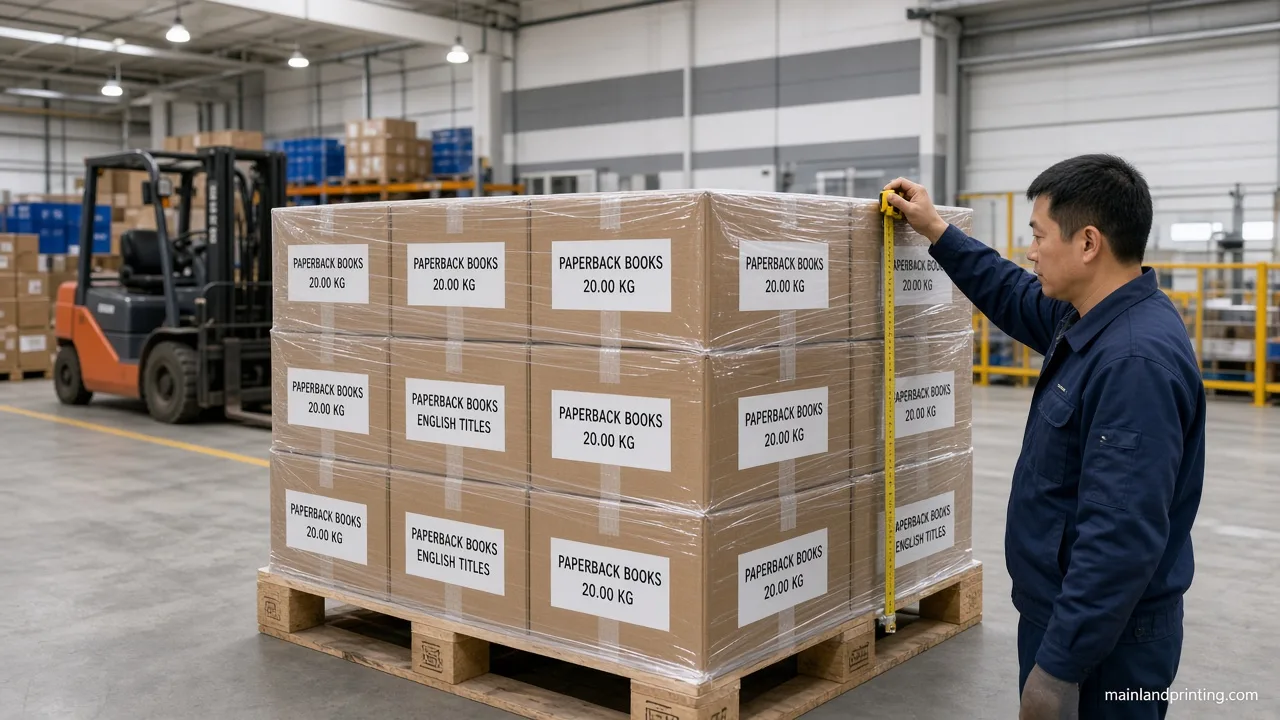
| Packaging / carton marks (if quoted) | Labels and wrap match the same approval package |
| Punto de control | Pass / Fail |
|---|---|
| Skin tones under reading lamp | Pass if tone holds vs marked reference; Fail if green/magenta cast remains |
| Soft-proof-only color sign-off | Fail for illustration-heavy titles—order a bound sample and inspect again |
A material kit helps you feel stocks early; a project bound sample locks your title. Missed color on a soft-only approval often costs another sample cycle and 5–10 working days on the calendar before plates restart.
When the bound sample clears, return commercial planning to impresión de libros infantiles with the same proof-backed sheet.
For fiber claims on FSC options named in the quote, keep the certificate path aligned with the FSC standards overview—do not invent a certification on the approval note.
Plan a Children’s Picture Book Proof Review
Share trim, page count, binding, stock, cover finish, quantity ladder, and whether you need a digital proof, sample kit, or bound physical sample. Mainland Printing can align the approval path before bulk.
Lock Your Picture Book Proof Plan for Print
A defensible children’s book printing proof plan names which gate confirms layout, which confirms feel, and which bound sample clears color and open feel—then keeps that approved copy with the production brief.That is what “sample approval” means for picture books: not a brighter monitor, and not a blank swatch pretending to be your art.
Once those gates clear under the same light your readers use, you can scale the run without reopening skin-tone debates from a phone screen. Return to the children’s book planner with a proof-backed sheet so quoting compares the same physical product.
If board thickness or toddler safety is still the real question, divert now. If stock finish is still open, finish the paper guide first. Proofing is finished when the bound sample—not the soft proof alone—says the story holds in the hand.
Picture Book Proofing FAQ Before You Print
What is a children’s book printing proof?
It is the approval step before bulk: a digital proof for layout and page order, and usually a physical or bound sample when illustration color, cover film, and open feel must be confirmed on real materials.
Is a PDF proof enough for a full-color picture book?
A PDF is enough to catch page order, type, and crop issues. It is not enough to lock final color on stock, laminate glare, or binding behavior—order a bound sample when those risks matter.
What should I check on a physical picture book sample?
Check skin tones and gradients under reading light, deep solids for evenness, spread alignment, cover laminate, spine, and how the book opens. Compare against the quotation sheet, not only against memory of the screen.
Do I need both a sample kit and a bound proof?
A kit helps you feel stocks and binding options early. A project-specific bound proof locks your title’s color and construction. Many buyers use the kit first, then the bound sample before bulk.